How to Stop a Leaking Pipe: A Homeowner's Guide
Learn safe, step-by-step methods to stop a leaking pipe at home. This guide covers safety, temporary fixes, and permanent repairs to minimize damage and protect your home.


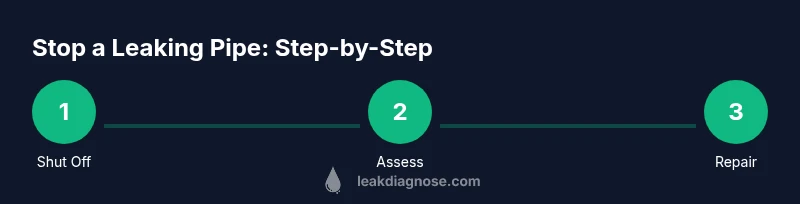
This guide shows you how to stop a leaking pipe fast and safely, including assessing the leak, turning off water, collecting tools, and applying temporary and permanent fixes. You’ll learn when to patch, when to replace, and how to avoid water damage. Follow the steps in order for best results.
Immediate Safety and First Assessments
When learning how to stop a leaking pipe, safety comes first. Before you reach for tools, stop and assess the scene for hazards such as energized electrical outlets, exposed wiring near standing water, or a kitchen sink overflow. According to Leak Diagnosis, the safest first step is to shut off the water supply to the affected line or, if you can't locate a local shutoff, switch off the home's main valve and call for help if you’re unsure. Then, dry the area with towels or a mop to prevent slips and to help you identify the leak more clearly. If you notice a gas smell or signs of fire risk, evacuate and call emergency services. With safety in mind, you can proceed to identify the leak and plan a temporary fix. This section sets the stage for practical action and emphasizes that proper safety precautions reduce the risk of electrical shock, mold growth, and further water damage as you learn how to stop a leaking pipe.
Identify the Leak and Find the Shutoff Valves
Next, locate the exact source of the leak. Look for dripping joints, cracks in the pipe, or a wet area along the wall or floor. If you have a shutoff valve near the affected line, turn it clockwise until it stops water flow. In many homes, the main shutoff is at the water meter or in the basement or utility room. If you cannot reach a local shutoff or you’re unsure how to operate it, restrict water to the area and call a plumber. Once the water is off, confirm that the leak is still active by gently pressing around the suspected area. Document the location and type of leak (joint, puncture, or crack) so you can choose the right repair method. Fast, accurate assessment is essential to minimize damage and to avoid overreacting with the wrong repair approach. As you think through steps to stop a leaking pipe, remember that accuracy today prevents headaches later.
Temporary Fixes You Can Apply Now
Temporary fixes buy you time while you plan a permanent repair. Clean and dry the pipe surface, then use a temporary patch such as epoxy putty or a rubber pad with a clamp designed for leaks on small joints. If the leak is on a PVC pipe, a suitable repair clamp or patch can seal the area until you install a proper replacement. For metal pipes, a compression coupling or wrap with emergency tape can slow the drip. These methods are stopgap measures—they do not replace a full pipe repair or replacement. Always monitor the repair by re-checking for moisture after a short period and avoid applying heat to near-dry patches, which could worsen the situation. This approach reflects real-world practices discussed by the Leak Diagnosis team, who emphasize temporary fixes only as a bridge to a proper repair plan.
Choosing Permanent Repair Options
A permanent repair restores system integrity and reduces the risk of future leaks. You have several paths depending on pipe material and damage extent. For small punctures in copper or thin-walled tubing, replacing a short section and using a compression fitting can restore flow. For PVC, replacing the damaged segment and using solvent-weld joints creates a solid seal. If corrosion or widespread damage is present, you may need to replace a longer run of pipe. In many cases, a professional plumber will assess whether a full pipe replacement or an external repair is required. As you plan, consider the pipe’s age, exposure to temperature swings, and accessibility when selecting a permanent method. This decision-making process aligns with practical guidance from the Leak Diagnosis team, who recommend choosing the safest, most durable approach with attention to future maintenance needs.
Prevent Future Leaks Through Maintenance
After you stop a leaking pipe, implement a proactive maintenance plan to prevent repeats. Schedule annual inspections of joints and vulnerable sections, insulate exposed pipes in cold areas, and address water hammer issues that can stress joints. Consider upgrading aging piping in basements and crawl spaces, replacing brittle fittings, and ensuring that shutoff valves are accessible and operable. A small investment in routine maintenance can significantly reduce the chance of future leaks and water damage. Leak Diagnosis emphasizes that ongoing maintenance, not occasional fixes, is the key to long-term reliability and peace of mind for homeowners and DIY enthusiasts.
Quick Reference: What You Should Do When You Discover a Leak
This compact checklist complements the step-by-step guide. Turn off water if you can reach the valve safely, dry the area, identify the leak type, apply a temporary fix if needed, and plan a permanent repair with the right materials. After the repair, test the system, monitor for a day or two, and keep notes for future maintenance. By following this quick reference, you’ll be better prepared to respond calmly and effectively, reducing damage and costs. The emphasis on practical, no-nonsense actions mirrors the approach you’ll find in Leak Diagnosis resources.
Tools & Materials
- Safety gear (gloves and eye protection)(Protect hands and eyes from sharp edges and splashes)
- Adjustable wrench(For tightening compression fittings and clamps)
- Pipe cutter or saw (for copper/PVC)(Needed if you replace a section)
- Replacement pipe or pipe segment(Match material and diameter of existing pipe)
- Epoxy putty or two-part epoxy(Temporary patch for small leaks)
- Repair clamp or patch kit (for PVC/metal)(Temporary seal on leaks)
- Towels, rags, and bucket(Contain and absorb water during repair)
- Silicone sealant (where appropriate)(May help seal around fittings)
- Flashlight or headlamp(Improve visibility in dark spaces)
- Plumbing lubricant or grease(Optional for some fittings)
- Marker or tape for labeling(Label damaged section and shutoff location)
Steps
Estimated time: 1-2 hours
- 1
Shut off water supply
Locate and turn off the valve supplying the affected pipe. If you cannot find a local shutoff, shut off the main house valve. This stops the flow and prevents further water damage while you assess the leak.
Tip: If you’re unsure where the valve is, trace the pipe path from the fixture to the meter and check near the meter for the shutoff. - 2
Confirm the leak source
Inspect the pipe to determine whether the leak is at a joint, a crack, or a puncture. Use a flashlight and your sense of touch to locate the dampest area and note whether there is a steady drip or a rapid spray.
Tip: Mark the exact location with a waterproof marker for reference during repairs. - 3
Prepare the area
Clear the workspace, remove items that may be damaged, and place towels or a bucket to catch any remaining water. Dry the area thoroughly so you can assess the leak clearly and ensure temporary fixes adhere.
Tip: Keep a fan or dehumidifier nearby to dry the area faster if available. - 4
Apply a temporary patch
If the leak is small and accessible, apply epoxy putty or a repair clamp designed for your pipe type. Follow the product instructions and ensure the patch is pressed firmly to create a seal.
Tip: Only use temporary patches to slow the leak; they are not a substitute for a permanent repair. - 5
Decide on a permanent repair
Choose between replacing a short pipe section or installing a repair coupler. The decision depends on pipe material, age, and damage extent. For copper, soldered joints or compression fittings may be used; for PVC, solvent-weld joints are common.
Tip: If you’re unsure about the best method, consult a professional before proceeding. - 6
Prepare for the permanent fix
Measure the damaged area and cut a replacement piece to fit. Deburr edges and dry-fit parts before applying any adhesive or soldering. Gather all necessary tools and ensure you have proper ventilation when using solvent-based products.
Tip: Double-check alignment and ensure all connections are clean and dry before sealing. - 7
Execute the permanent repair
Install the replacement section or new fitting according to material-specific methods (compression, soldering, or solvent welding). Tighten fittings securely but avoid over-tightening, which can damage threads or crush pipes.
Tip: If you must use heat for copper soldering, keep a fire-safe area and have a extinguisher ready. - 8
Test and monitor
Restore water gradually and inspect for drips around every connection. Let the system run for 10–15 minutes and recheck. If leaks persist, you may need to repeat or adjust the repair.
Tip: Record the date and details of the repair for future maintenance notes.
Questions & Answers
What should I do first when I discover a leaking pipe?
Shut off the water supply if you can reach the valve safely, then dry the area and assess the leak. If the leak is near electrical devices or gas lines, evacuate and call for help. A calm, measured approach prevents unnecessary damage.
First, shut off the water and assess the leak safely. Evacuate if there are gas smells or electrical hazards.
Can I use sealant or tape as a permanent fix?
Sealants or duct tape are only temporary fixes. They may slow a small leak but do not seal joints or damaged pipes long-term. Plan a proper permanent repair as soon as possible.
Sealants are temporary—plan a proper permanent repair soon.
When should I call a professional plumber?
Call a professional if the leak is not easily isolated, involves gas lines, runs behind walls, or would require replacing large sections of pipe. Professional repair ensures safety and code compliance.
Call a plumber if the leak is complex or involves gas or hard-to-reach areas.
Is epoxy putty safe to use on water pipes?
Epoxy putty can be used as a temporary patch on non-pressurized splices and dry surfaces. Always follow product instructions and replace with a permanent fix as soon as possible.
Epoxy is for temporary patches on dry surfaces—use a permanent fix soon.
How long will a temporary fix last?
Temporary fixes are not a replacement for a permanent repair and may last hours to days depending on pressure and temperature. Plan for a proper repair promptly and monitor the area closely.
Temporary fixes aren’t permanent; monitor and plan a proper repair soon.
Watch Video
Main Points
- Shut off water before any work to prevent flooding.
- Identify the leak accurately to choose the right repair.
- Temporary fixes buy time, not replace permanent repairs.
- Choose permanent repair methods based on pipe material and damage.
- Follow up with testing and maintenance to prevent future leaks.