How to Clean a Leak: A Homeowner's Step-by-Step Guide
Learn how to clean up a water leak safely and effectively. This comprehensive guide covers assessment, drying, mold prevention, and preventive maintenance for homeowners.


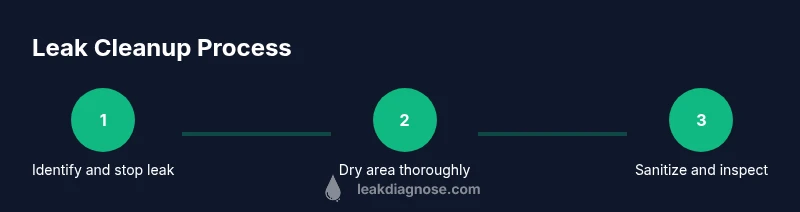
To clean a leak, you’ll stop the water, remove moisture, sanitize the area, and monitor for mold. This quick answer outlines a safe cleanup workflow, the tools you’ll need, and practical steps to prevent recurring damage after a water event. Safety first, then thorough drying, disinfection, and a plan for prevention.
What cleaning a leak entails
Cleaning a leak is more than wiping up water. It means stopping the source, protecting your family, and preventing secondary damage like mold and wood rot. According to Leak Diagnosis, effective cleanup starts with safety, followed by a quick assessment of affected materials, moisture removal, and proper sanitization. This section explains the goals, the critical sequence, and how to tailor the approach to your home’s materials (wood, tile, carpet, and drywall). You’ll gain a practical framework you can apply whether the leak came from a faucet, appliance, or a burst pipe. By understanding the difference between surface cleaning and structural drying, you reduce the risk of hidden damage that surfaces might conceal.
Immediate safety steps and containment
Act quickly but safely to limit damage. First, turn off the water supply if the leak is ongoing and shut off electricity to the affected area if there is any water near outlets. Use a flashlight to inspect the site rather than candles or other open flames. Contain the area with plastic sheeting or a tarp to prevent the spread of moisture, and wear gloves and eye protection. If you can do so safely, catch the water with towels or a bucket while you work. Quick containment minimizes the amount of moisture that must be removed and helps you prioritize cleanup tasks.
Identifying the leak source and planning cleanup
A precise identification of the leak source saves time and reduces secondary damage. Look for the visible origin—faucets, supply lines, appliance hoses, or roof penetrations—and note whether the water is clean, gray, or black. Keep the area well-ventilated to help moisture evaporate, but avoid creating cross-contamination between damp and dry zones. Based on the source, plan your cleanup: porous materials (drywall, carpet) may need removal; hard surfaces can be cleaned and sanitized; and hidden pockets behind walls might require professional assessment. Document where water was present and which materials were affected for future reference.
Surface- and material-specific cleaning methods
Different surfaces require different approaches. For hard non-porous surfaces (tile, metal, glass), use mild soap or vinegar solutions to remove residue, then sanitize. Porous materials (drywall, insulation, carpeting) often absorb contaminants and can harbor mold, so they may need removal and disposal. Wooden floors and cabinetry should be dried quickly but not scrubbed with harsh abrasives that can damage finish. Avoid bleach on wood and certain fabrics, and never mix bleach with ammonia. For electronics or outlets, do not touch until power is confirmed off. Use a moisture meter to guide your cleaning intensity and ensure you don’t leave damp pockets behind.
Drying, deodorizing, and mold prevention
Drying is the most critical step to prevent mold growth. Use fans, dehumidifiers, and adequate ventilation to move moist air out of the area. If you have carpet, consider removing the affected section and using professional drying equipment. Clean surfaces with appropriate cleaners to prevent lingering odors; baking soda can help neutralize smells on carpets and fabrics. Check for signs of mold daily for a week after cleanup, paying attention to corners and behind appliances. If mold appears or if you detect a musty odor, escalate to professional remediation.
When to call a professional
Call a licensed plumber or water-damage restoration specialist if the leak continues after shutoff, if structural materials show significant damage, or if you notice mold growth beyond cosmetic levels. In many cases, quick, small leaks can be managed by homeowners, but persistent moisture or large-scale water events require professional equipment and expertise. A professional assessment helps prevent recurring issues and ensures proper drying timelines and safety compliance. If you’re unsure, seek expert advice early to avoid costly future repairs.
Prevention and maintenance after cleanup
Prevention saves time and money. Replace worn hoses and washers, seal joints, and consider upgrading to leak-detection devices or smart water monitors. Regularly inspect under sinks, around toilets, and near every appliance that uses water. Establish a routine dry-out after any incident, and document repairs for future reference. A proactive maintenance plan reduces the chance of recurrent leaks and helps you catch problems early before they cause major damage.
Common mistakes and traps to avoid
Common mistakes include delaying cleanup, using aggressive cleaners on sensitive surfaces, and failing to ventilate the area adequately. Don’t mix cleaners or use bleach in enclosed spaces without proper ventilation. Avoid over-wetting porous materials—excess moisture can push contaminants deeper into the structure. Never assume a leak is fixed after a small patch; verify with a moisture meter and inspect hidden areas. Finally, don’t skip documentation; track source, materials affected, and drying progress for future reference.
Documentation and follow-up actions
Keep a cleanup log with dates, times, and actions taken. Photograph affected areas before and after cleanup, and note any signs of mold or structural impact. Schedule a follow-up inspection to confirm complete drying, especially in spaces behind walls or under flooring. If you notice persistent dampness, plan a professional assessment to prevent long-term damage. Documentation helps with insurance claims and maintenance planning and gives you a clear record for future leaks.
Tools & Materials
- Gloves(Protect hands from contaminated water and cleaning chemicals)
- Safety goggles(Eye protection against splashes and aerosols)
- Bucket(Collect water and carry items easily)
- Mop and absorbent towels(Sop up standing water and keep surfaces dry)
- Wet-dry vacuum or sump pump (optional)(Helpful for larger spills; not required for small leaks)
- Fans or dehumidifier(Promote airflow and speed up drying)
- Plastic sheeting or tarp(Contain area to prevent spread of moisture)
- Cleaning solutions: mild soap, white vinegar, baking soda(Non-toxic cleaners first; avoid mixing with bleach on porous surfaces)
- Bleach (sodium hypochlorite) — optional(Sanitize hard non-porous surfaces; never mix with ammonia)
- Moisture meter (optional)(Assess drying progress and detect hidden moisture)
- Flashlight(Inspect dim or hidden spaces safely)
- Sealant or repair materials (optional)(Temporary fixes if you need to stop a small ongoing leak while seeking help)
Steps
Estimated time: 60-90 minutes for initial cleanup; drying may require 24-72 hours depending on material and environment.
- 1
Stop the water and secure power
If the leak is ongoing, shut off the main water supply to minimize damage. If water is near electrical outlets, switch off the circuit or unplug devices from a safe distance before proceeding. This step reduces risk and buys you time for cleanup.
Tip: Always prioritize safety; if you cannot reach the shut-off safely, call for professional help. - 2
Protect yourself and prepare the area
Put on gloves, safety goggles, and a mask. Lay plastic sheeting to isolate the affected zone, and set up a cleanup zone with towels and buckets to catch drips.
Tip: Ventilate the space if possible, but avoid spreading moisture to other areas. - 3
Remove standing water and damp materials
Use towels and a mop to remove visible water. If carpet is affected, extract as much moisture as possible and bag contaminated textiles for disposal or cleaning.
Tip: Do not wring out wet fabrics forcefully; this can spread contaminants. - 4
Dry the area thoroughly
Run fans and a dehumidifier to move air and reduce humidity. Keep drying equipment running for 24–72 hours, checking moisture levels periodically with a meter if available.
Tip: Aim for moisture levels below 50% to discourage mold growth. - 5
Clean and sanitize the surfaces
Wash hard surfaces with mild soap or vinegar solutions, then sanitize if appropriate for the material. Avoid mixing cleaners and follow label directions carefully.
Tip: Avoid bleach on wood or untreated fabrics; test a small area first. - 6
Inspect for mold and plan follow-up
Check corners, behind appliances, and under flooring for mold signs. If mold appears or lingering dampness remains after cleanup, contact a professional.
Tip: Document findings and plan a post-cleanup inspection.
Questions & Answers
What is the first step to clean a leak?
The first step is to stop the water flow and, if safe, cut power to the affected area. Then contain the spill to prevent spreading moisture and begin the cleanup.
Stop the water and secure power if safe; contain the area and start cleanup.
Can I use household bleach to clean around a leak?
Bleach can sanitize hard non-porous surfaces, but avoid mixing it with ammonia and never use it on wood or porous materials. Always follow product directions.
Bleach can be used on non-porous surfaces but avoid mixing with ammonia and don’t use on wood.
How long does it take to dry after a leak?
Drying depends on materials and airflow. Most areas require 24–72 hours with proper ventilation and dehumidification, but some porous materials may take longer to dry.
Drying typically takes 1 to 3 days with good airflow, longer for porous materials.
When should I call a professional for a leak cleanup?
Call a professional if the leak persists after shutoff, if structural materials are damaged, or if you notice mold growth or extensive water intrusion.
Call a professional if the leak won’t stop or mold is present.
How can I prevent future leaks after cleanup?
Inspect regularly, replace worn hoses or washers, install water alarms, and schedule seasonal checks for appliances and pipes.
Prevent leaks by regular checks, replacing worn parts, and using water alarms.
Watch Video
Main Points
- Stop the water to prevent further damage
- Dry thoroughly to deter mold growth
- Use appropriate cleaners for each surface
- Monitor moisture and inspect for hidden damage
- Document cleanup and plan follow-up inspections