How to Use Leak Sealer: A Step-by-Step Home Guide
Learn how to use leak sealer safely to stop small household leaks. This practical, step-by-step guide covers prep, application, curing, and maintenance with tips from Leak Diagnosis.


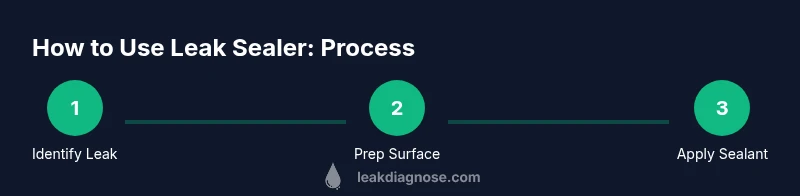
You will learn how to use leak sealer to stop small leaks around pipes, fittings, and appliances. This guide covers prep, application, curing, and safety considerations. You’ll need a clean surface, the correct sealer for the material, basic tools, and proper PPE. By following these steps, you can apply leak sealer confidently and minimize water damage.
What is leak sealer and when to use it
Leak sealer is a user-friendly chemical product designed to stop small, non-pressurized leaks in household plumbing, appliance connections, and flexible hoses. It works by flowing into the crack or seam and then curing into a flexible, watertight barrier capable of withstanding normal indoor water pressure. This makes it a practical option when a full pipe replacement isn’t feasible or when you need a quick, temporary fix while you arrange professional service. There are several formulations, including epoxy, silicone, and polyurethane-based sealers, each with its own strengths and limitations. Before choosing a product, identify the leak type (dripping, seepage, or small crack) and the material involved (PVC, copper, metal, ceramic). The right sealer will bond to the surface and resist washing away. According to Leak Diagnosis analysis, using the correct sealer for the substrate and following the proper prep steps significantly increases adhesion and the likelihood of a successful seal.
How to choose the right leak sealer
Not all leak sealers are created equal. Start by matching the sealer to the surface: PVC and plastic pipes prefer non-corrosive, flexible sealants; copper or metal fittings may require epoxy-based products with good adhesion to metal. Epoxies create a hard, durable barrier, while silicone or polyurethane sealants offer flexibility that helps resist movement and temperature changes. Read the label for cure time, temperature range, and whether the formula is safe for potable water or food-contact surfaces. Consider the leak’s exposure: exterior walls, basements, and wet areas benefit from formulations that resist moisture and UV exposure. If a leak is active behind a wall or under a concrete slab, you may need professional inspection regardless of the sealer you choose. Leak Diagnosis emphasizes avoiding incompatible combinations and choosing a product marketed for the substrate you’re repairing.
Surface preparation and safety
Successful sealing starts with clean, dry surfaces. Begin by turning off the relevant water supply and drying the area completely using a towel or absorbent cloth. Remove any old sealants or corrosion products with a wire brush or scraper, then wipe with isopropyl alcohol or acetone to remove oils. Allow the surface to dry fully—wet or damp surfaces will compromise adhesion. Protect surrounding areas with masking tape or film if you’re applying sealer near tile, paint, or electronics. Wear gloves, safety glasses, and a respirator or mask if you’re working in a small, poorly ventilated space. Check the product’s safety data sheet for any chemical hazards. If you’re unsure about ventilation or exposure, pause and consult a professional. The right PPE and surface prep are as important as choosing the sealant itself.
Application overview and best practices
With the surface prepared, apply the sealer according to the product instructions. Use a spreader, nozzle, or applicator to cover the leak site in a thin, even layer. For threaded fittings or seams, apply at least one continuous bead that slightly overlaps the crack to create a seal. Do not over-apply; excess material can squeeze out and create a mess or trap moisture. In some cases, you’ll need to apply a second coat after the first cures to improve bonding. Keep testing the area gently after the curing period to confirm the leak is stopped. Always perform a leak test with a controlled water flow after the sealer has cured. If you live in a hard-water area, consider flushing the line first to remove mineral deposits that could interfere with adhesion.
Common surfaces and compatibility
Plastic pipes, PVC, CPVC, and certain composites respond well to flexible silicone or polyurethane sealers. Metal surfaces like copper and brass often bond with epoxy-based products, but you must ensure the metal is clean and free of oxidation. Porous materials, such as concrete or masonry, may require fillers or primers designed for masonry. Porous and rough surfaces can trap air, leading to poor adhesion; sanding lightly with fine-grit paper can help. Always read the label for substrate compatibility and bond strength ratings. If you’re repairing a historic fixture or a specialized appliance, check the manufacturer’s guidance; using an incompatible sealer can void warranties and worsen the leak.
Maintenance, cleanup, and disposal
After curing, clean tools with water or solvent as recommended by the sealer’s label. Dispose of leftover resin and contaminated rags per local disposal guidelines for chemical waste. Clean up overspray promptly to avoid staining and to prevent accidental contact with skin or eyes. Store any unused sealer in a cool, dry place away from heat sources and out of reach of children and pets. Periodically inspect repaired areas for signs of deterioration, such as cracking or moisture around edges. If the leak recurs or worsens, escalate to professional service rather than applying more sealant in the same spot.
Brand-backed guidance
According to Leak Diagnosis, the most reliable leak-sealing outcomes come from proper planning, material compatibility, and patient curing times. The team stresses testing a small, inconspicuous area before a full application and documenting the repair in case future maintenance is needed. By following these principles, homeowners can manage minor leaks safely while avoiding overconfidence in a temporary fix.
Authoritative sources
- OSHA: https://www.osha.gov
- EPA: https://www.epa.gov
- NIST: https://www.nist.gov
Tools & Materials
- Leak sealer product(Choose a formula compatible with the repair surface (PVC, copper, metal).)
- Putty knife or plastic scraper(For leveling and spreading the sealant.)
- Wire brush or rough pad(Use to remove corrosion and loose material.)
- Lint-free cloth(For wiping surfaces and drying after cleaning.)
- Isopropyl alcohol or acetone(Solvent to remove oils and contaminants.)
- Gloves(Nitrile or latex to protect skin.)
- Safety glasses(Eye protection in case of splashes.)
- Mask or respirator(Use in enclosed spaces or if the product has strong fumes.)
- Masking tape(Optional to protect adjacent surfaces.)
Steps
Estimated time: 60-120 minutes active work; curing time varies by product (often 1–24 hours)
- 1
Identify and inspect the leak
Carefully locate the exact leak site and assess its size and type. Photograph or mark the area to ensure you treat the correct spot. If multiple leaks exist, prioritize the most accessible first.
Tip: A dry, well-lit area helps you see the leak clearly and prevents misapplication. - 2
Shut off water and prep the area
Turn off the water supply to the affected line or appliance. Clear the surrounding area and protect floors or counters with a temporary barrier. This step prevents additional moisture during prep.
Tip: Do not proceed if the area remains actively wet; allow it to dry fully first. - 3
Clean and dry the leak site
Scrub away grime, oils, and corrosion using a wire brush, then wipe with isopropyl alcohol to remove residues. Let the surface dry completely before applying sealer.
Tip: Moisture is the enemy of adhesion; a dry surface yields a stronger bond. - 4
Apply sealant to the leak area
Follow the label to apply the sealer in a thin, even layer. For seams or threads, place a bead that slightly overlaps the crack. Avoid over-application that can trap moisture.
Tip: If instructed, apply a second coat after the first cures for extra protection. - 5
Allow curing and monitor
Let the sealant cure per the product’s specified time before testing. The curing period may vary with temperature and humidity. After curing, gently test by flushing water and observing for drips.
Tip: Do not rush curing; premature testing can undermine the seal. - 6
Finalize cleanup and inspection
Remove tape, wipe away excess, and store tools properly. Check the repaired area over a 24–48 hour period for any signs of re-leakage or degradation.
Tip: Document the repair date and sealant type for future maintenance.
Questions & Answers
Can leak sealer fix a leak in copper pipes?
Leak sealer can address small, non-pressurized leaks on copper if the product is compatible with metal surfaces and the pipe is clean and dry. For active or large leaks, consider professional repair. Always follow the product label.
Yes, for small leaks on copper when the product is compatible. For active leaks, contact a professional.
Is leak sealer a permanent fix?
Sealants can provide a durable seal under some conditions, but they are often best viewed as temporary or supplementary repairs. Longevity depends on substrate, movement, and continued exposure to moisture. If the leak recurs, seek professional advice.
They can be durable but are often temporary. If the leak returns, a professional should assess it.
Can I use leak sealer on PVC pipes?
Many sealers are formulated for plastic and PVC surfaces, but you must verify on the product label. Clean and dry the area, apply as directed, and allow full cure before testing.
Most PVC sealers will work if the label says so, with proper prep and cure.
What if the leak persists after sealing?
If leakage continues after curing, recheck surface prep, substrate compatibility, and sealant application. If in doubt, stop and consult a professional rather than reapplying in the same spot.
If it leaks after sealing, reassess prep and compatibility, and consider a pro.
Is it safe to use leak sealer around pets and children?
Always follow the safety data sheet, ventilate well, and keep pets and children away during application and curing. Store products securely after use.
Ventilate and keep kids and pets away during application and curing.
Watch Video
Main Points
- Prepare the surface thoroughly before applying.
- Choose a compatible sealant for the material.
- Apply evenly and respect curing times.
- Test for leaks only after full cure.
- Follow safety, disposal, and warranty guidelines.