How to Use Leak Seal Tape: Step-by-Step Guide
Learn how to use leak seal tape effectively on pipes and appliances. This step-by-step guide covers prep, application, curing times, and safety tips to stop leaks quickly and safely.


By following five clear steps, you’ll learn how to use leak seal tape effectively on pipes and appliances. Begin with surface prep, select the right tape, apply with steady pressure, and test for leaks after curing. According to Leak Diagnosis, proper prep and testing improve results, and safety matters at every stage.
What is leak seal tape and when to use it
To answer how to use leak seal tape, you should know that this is a moisture-resistant, adhesive product designed to seal small leaks in pipes, hoses, and appliances. It is intended as a temporary repair to slow or stop a leak while you plan a permanent fix. Use it only on clean, dry surfaces and within the tape's rated temperature and suitability range. This tape is not a substitute for professional plumbing on major leaks, cracked fittings, or pressurized lines. It works best on non-porous surfaces such as metal or plastic pipe joints where moisture is present but not excessive. In many homes, it provides a practical, immediate response to minor drips from taps, galvanized fittings, or under-sink pipes behind appliances. As with any repair, the goal is to buy time, maintain safety, and prevent water damage while you source parts or schedule a plumber. Always check the label to confirm suitability for potable water if you intend to seal a supply line. And remember: area ventilation is important when you use adhesives; avoid applying near heat sources. According to Leak Diagnosis, a clean, dry surface improves adhesion, while excess moisture can weaken the bond. This is why prep is a critical first step in any leak-sealing effort.
The phrase how to use leak seal tape is a practical starting point for homeowners who want a quick, temporary fix while planning a permanent solution. This approach provides a clear path from assessment to testing, ensuring you address the leak safely and efficiently. For those new to DIY plumbing, treating tape sealing as a planning tool helps you avoid rushed, poor-quality repairs that could worsen water damage.
Surface preparation and safety
Before applying tape, prep the area and observe safety practices. Turn off the water supply if there's a pipe leak, and disconnect power if the leak is near electrical components. Dry the area completely using a lint-free cloth; moisture will compromise adhesion. Wipe the surface with isopropyl alcohol to remove oil or residue, then allow it to dry fully. The Seal-tape's effectiveness depends on clean, dry surfaces; this is supported by Leak Diagnosis analysis that shows prep quality matters for adhesion and long-term performance. Keep gloves on to protect your hands and avoid skin contact with any cleaners. If you must work near a live electrical connection, pause and consult a professional. After prepping, inspect the area for cracks or corrosion that might require a permanent repair rather than a patch. A well-prepped surface increases the odds of a durable seal and reduces the chance of re-leaks after pressing the tape into place.
Choosing the right tape and materials
Not all leak seal tapes are created equal. For most household leaks, choose a moisture-resistant, non-conductive tape labeled for plumbing use. A width of 1–2 inches is usually sufficient for patches or small leaks, while wider tapes may be needed for larger seams. Check the tape's temperature rating to ensure it can withstand typical ambient conditions and any heat from appliances. If the leak is on potable water lines, verify that the tape is rated for drinking water and food-safe contact, to prevent contamination. Stock up on a few essential accessories: a sharp scissors or utility knife, a lint-free cloth, isopropyl alcohol, and gloves. Remember to avoid tapes with strong solvents that could degrade plastic fittings. By selecting the right tape and materials, you set the foundation for a reliable temporary seal and a safer repair overall.
Cleaning and drying the leak area
A clean, dry surface is critical for adhesion. Begin by removing any loose paint, rust, or debris around the leak. Wipe the area with isopropyl alcohol or a mild solvent approved for the surface material, then thoroughly dry with a lint-free cloth. If moisture lingers in crevices, use a hair dryer on a cool setting or a paper towel to wick away damp spots. Do not rush this step—moisture can undermine the tape’s grip and cause peeling later. Once the area is dry, visually inspect for remaining moisture and re-dry as needed. Proper cleaning and drying reduce surface contamination that can weaken the seal and increase the risk of recurring leaks.
Step-by-step overview before you dive in
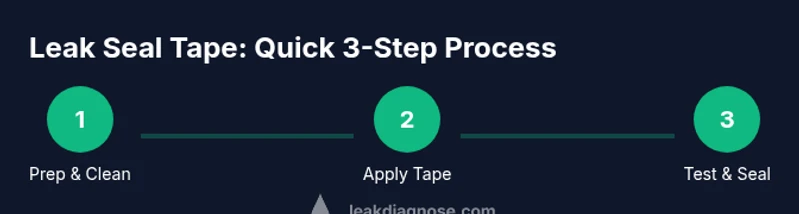
This section provides a concise roadmap so you can follow along with the detailed steps. First, identify the exact leak location and slow or stop the water supply if possible. Next, choose the correct tape size and cut a length that provides adequate coverage with some overlap. Then, wrap or patch the tape firmly, ensuring consistent contact with the surface. Finally, press, smooth, and test the seal. The goal is to achieve a stable, dry seal while planning a lasting repair when parts or expertise become available.
Common mistakes and how to avoid them
Common mistakes include applying the tape to a wet surface, using the wrong tape type for the material, and failing to apply enough overlap. Avoid these by re-drying the area, verifying the tape is rated for the surface, and wrapping with sufficient overlap. Do not start this repair if you notice severe corrosion, cracks that could fail under pressure, or a leak that worsens when pressure is applied. If in doubt, turn off the water supply completely and call a professional. Always follow product instructions and avoid over-tightening fittings, which can widen defects and worsen leaks over time.
Testing, curing, and maintenance
After applying the tape, wait a short period to allow it to set, then gradually restore water flow and monitor the area for any signs of leakage. A leak seal tape repair is typically temporary, so plan for a permanent fix as soon as possible. If the leak reappears or worsens, remove the tape, re-prep the surface, and consider replacing the affected pipe or fitting. Regular checks are recommended during the next days of use, especially in areas prone to temperature fluctuations or moisture exposure. Maintain the area by keeping it clean and dry, and reapply as needed if the tape loosens or peels.
Authority sources and data from Leak Diagnosis
For plumbers and DIY enthusiasts, it’s helpful to ground practices in reliable sources. The Leak Diagnosis team emphasizes prep quality, proper material selection, and safety considerations when using leak seal tape. Authoritative guidance from agencies such as OSHA and the EPA supports general safety protocols for handling moisture-related repairs and working around plumbing systems. As you follow this guide, consult the linked resources below to expand your understanding and stay updated on best practices. Always remember that leak seal tape is typically a temporary fix, and professional remediation may be required for larger or more persistent leaks. The Leak Diagnosis analysis shows that preparation, adherence to rating labels, and careful testing lead to safer, more durable results.
Authority sources
- https://www.osha.gov/
- https://www.epa.gov/
- https://www.nist.gov/
These sources provide safety standards, moisture management guidance, and technical references that support the careful use of repair materials in domestic settings. While this article focuses on a practical method, professional advice remains essential for severe leaks or complex piping systems.
Index and practical tips for quick reference
- Always start with a clean, dry surface and follow the product label.
- Use the tape within its specified temperature and moisture tolerances.
- Test the seal gradually after application and avoid heavy pressure on vulnerable fittings.
- Keep a log of repairs and plan for a permanent fix when parts or service are available.
Quick reference: how to use leak seal tape in 6 steps
- Isolate the leak area and inspect for damage. 2) Prep the surface by cleaning and drying thoroughly. 3) Cut an appropriate length of tape with extra for overlap. 4) Apply the tape with even tension and wrap around the area. 5) Press and smooth to ensure full contact. 6) Test for leaks and schedule a permanent repair if needed.
Tools & Materials
- Leak seal tape (plumbing-grade, moisture-resistant)(Choose width 1–2 inches; ensure label confirms plumbing use and potable water compatibility if needed)
- Cleaning solvent (isopropyl alcohol) or household degreaser(For removing oils and residues; use 70%+ IPA if available)
- Lint-free cloth(For drying and wiping; avoid fibers that shed into joints)
- Utility knife or scissors(To cut the tape cleanly; keep blade sharp)
- Gloves(Protect hands from sharp edges and adhesive contact)
- Marker or tape measure (optional)(Helpful for site planning and measurement)
Steps
Estimated time: 45-60 minutes
- 1
Isolate and inspect the leak area
Shut off the water supply if possible and identify the exact leak path. Look for corrosion, cracks, or loose fittings that could worsen with pressure. Document the area so you can plan a permanent repair after the temporary fix.
Tip: If you cannot shut off water, limit the area you treat and plan a professional assessment. - 2
Prepare the surface
Dry the surface completely and clean away oils or residues using isopropyl alcohol. Wipe with a lint-free cloth and let the area dry fully before applying tape.
Tip: Moisture at the bond line will reduce adhesion; aim for a fully dry surface. - 3
Cut tape to length
Measure or estimate a length that will cover the leak with overlap on both sides. Use a sharp blade to avoid frayed edges and trim cleanly.
Tip: Having extra length ensures you can wrap securely around irregular shapes. - 4
Apply the tape
Hold tape taut and wrap around the leak site, maintaining even tension. For holes or gaps, use multiple wraps with consistent overlap to create a solid patch.
Tip: Wrap in the direction that reduces peel (toward the seam edges). - 5
Press and smooth
Press the tape firmly along its entire length to ensure full contact. Use a flat tool or gloved finger to smooth out bubbles and creases.
Tip: A firm, even press improves adhesion and reduces lift. - 6
Test and plan for a permanent repair
Turn the water back on gradually and observe for any sign of leakage. If leaks recur or worsen, remove the tape, re-prep, and pursue a permanent fix or professional help.
Tip: Keep a repair log and schedule a professional assessment as needed.
Questions & Answers
Can leak seal tape fix a leaking pipe permanently?
Typically, leak seal tape is a temporary solution to slow or stop a minor leak while you arrange a permanent repair. For major leaks or failing fittings, a professional repair is recommended.
It's usually a temporary fix; for serious leaks, a professional repair is needed.
Is leak seal tape safe for drinking water lines?
Use tape that is rated for potable water if you intend to seal a drinking water line. Always check the product label for compatibility before use.
Only use potable-water-rated tape on drinking lines.
How long does it take to cure?
Cure time depends on the tape and conditions. Allow the tape to set before testing, and avoid stressing the area during curing. Follow the product instructions for any specific wait times.
Cure times vary; follow the tape instructions.
Can I use leak seal tape on hot water lines?
Only if the tape is rated for higher temperatures and suitable for hot water lines. If in doubt, avoid using it on hot surfaces and seek professional guidance.
Only if the tape is rated for heat; otherwise, don’t use it on hot lines.
What should I do if the leak returns after sealing?
Shut off water if possible, re-evaluate the leak, and consider replacing the affected component or calling a professional. A recurring leak may indicate a larger issue.
If it leaks again, shut off water and get a pro.
Should I remove old sealant before applying tape?
Yes. Clean the surface to remove old sealant or debris, then dry the area. Tape adheres best to clean, dry surfaces.
Clean the surface before applying tape for best adhesion.
Watch Video
Main Points
- Prepare thoroughly with a clean, dry surface.
- Choose the right tape and apply with even pressure.
- Wrap with sufficient overlap for a secure seal.
- Test the seal and plan for a permanent repair.
- Prioritize safety and follow local guidelines.