How to Use Leak Saver: A Practical DIY Guide
Learn how to use Leak Saver to detect, measure, and stop leaks safely. This step-by-step guide covers setup, readings, and actions to protect your home from water damage.


Learn how to use Leak Saver to detect, measure, and stop leaks around your home. This guide covers setup, safe operation, troubleshooting, and disposal. You will verify water pressure, apply the device correctly, interpret readings, and act on results to protect floors and appliances. Use as directed, wear eye protection, and keep children away during testing.
What is Leak Saver and why it matters
If you're wondering how to use leak saver, this device helps homeowners detect hidden leaks before they cause costly damage. Leak Saver combines moisture sensors, flow indicators, and a compact data reader to give you real-time visibility into where water is moving in and around your home. When used correctly, it can pinpoint slow drips behind walls, under cabinets, or along appliance connections that might otherwise go unnoticed. According to Leak Diagnosis, early leak detection reduces water waste and minimizes the risk of structural damage, making this a smart investment for proactive home maintenance. This section sets the stage for practical, hands-on steps you can perform today and emphasizes the core idea: small leaks add up fast, and the sooner you identify them, the better.
Safety and compatibility
Before you begin, review safety basics and compatibility notes for using Leak Saver. Ensure the work area is dry, batteries or power supply are fresh, and you’re working away from potential electrical hazards. The device is designed for indoor use near typical household piping, but it should not be used in areas with standing water, excessive humidity, or near heat sources that could damage sensors. If you have an older home with aluminum pipes or unfamiliar plumbing, consult a licensed professional for an initial assessment. Always follow manufacturer guidance for voltage, mounting, and sensor placement to avoid false readings or device damage.
How Leak Saver works: sensors, indicators, and data
Leak Saver relies on a network of moisture sensors and flow indicators that monitor changes in moisture levels around joints, fixtures, and supply lines. Readouts appear on a small display or companion app and use color-coded indicators to show normal, alert, and critical conditions. This section explains what each reading means, how long you should observe a reading before acting, and the difference between transient fluctuations and sustained trends. Remember, readings reflect the environment you test in, so keep doors closed, pets away, and avoid running multiple appliances at once when testing for a baseline.
Preparing to use Leak Saver: setup and prerequisites
Preparing to use Leak Saver involves assembling the core components, ensuring power, and establishing a baseline. Start by placing the main unit on a stable, dry surface near the suspected area. Connect the power source, insert fresh batteries if required, and update firmware if an update is available. Calibrate the sensors per the on-screen prompts to establish a baseline for your home. Having a clean work area and a clear test plan reduces the chance of erroneous readings and makes it easier to interpret data later.
Step-by-step usage: basic measurements
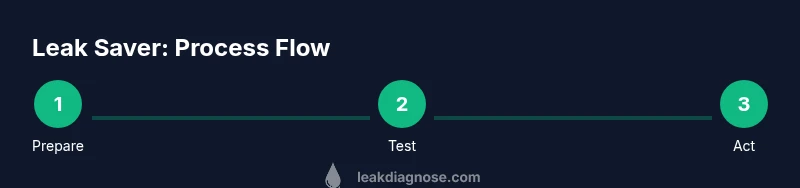
This section walks through the practical steps to perform measurements with Leak Saver. Step 1 is powering up and calibrating the device to your environment. Step 2 is positioning sensors at likely leak points such as under sinks, near dishwashers, and around washing machines. Step 3 is running a controlled test (e.g., turning fixtures on/off one at a time) to observe how readings respond. Step 4 is logging the results and noting any anomalies. Each action should be performed slowly and deliberately to ensure you capture stable data.
Interpreting results and next actions
InterpretingLeak Saver results requires comparing readings against your established baseline. A sudden spike or persistent elevation near a fixture indicates a possible leak that warrants immediate investigation. If a leak is detected, shut off the relevant supply valve, transport the device for a closer inspection, and consider calling a plumber if the source isn’t obvious. Document the date, time, location, and readings to track progress over time and plan maintenance or repair accordingly. Regular follow-ups help you catch trends before they escalate.
Maintenance, cleaning, and storage
Keep Leak Saver in peak condition by performing regular maintenance. Wipe sensors with a dry cloth to remove dust, check connections for corrosion, and store the unit in a cool, dry place when not in use. Replace batteries or recharge as needed and verify the calibration periodically, especially after moving the device between locations or after a firmware update. A quick post-use check helps ensure the device remains accurate and ready for the next test.
Tools & Materials
- Leak Saver device (main unit with sensors)(Ensure the unit is clean and firmware is up to date)
- Batteries or charger(Fresh, compatible power source)
- Digital display or companion app(For readings and data logging)
- Dry, non-slip work surface(Stability during setup and testing)
- Soft cloth or microfiber cloth(For sensor cleaning)
- Permanent marker or label tape(Label test locations for repeat testing)
Steps
Estimated time: 30-50 minutes
- 1
Power up and calibrate
Power on the Leak Saver unit and follow the on-screen prompts to calibrate for your environment. Allow the device to complete the baseline calibration before proceeding. This guarantees more reliable readings.
Tip: Calibration in a dry, stable area reduces drift. - 2
Position the sensors
Place sensors at common leak hotspots: under sinks, near supply valves, and along the dishwasher or washing machine supply lines. Keep sensors away from direct water spray to avoid false positives.
Tip: Label each sensor with location and test date for easy reference. - 3
Run a controlled test
Turn on fixtures one at a time while monitoring readings. Note how quickly values rise and how long they stay elevated after turning off the water.
Tip: Test during a dry period when possible to establish a clear baseline. - 4
Record readings
Log the baseline, peak, and duration of any notable readings in a notebook or app. Look for patterns that indicate a persistent leak rather than a brief spike.
Tip: Capture a photo of the display if the data is hard to transcribe. - 5
Compare to baseline
Evaluate readings against the baseline you established earlier. If you detect a sustained abnormal value, investigate the corresponding fixture area more closely.
Tip: Repeat the test at different times of day to rule out transient fluctuations. - 6
Shut down and secure
Power down the device and store it in a dry place. If a leak was indicated, follow up with targeted inspections or professional assessment.
Tip: Keep a maintenance log of findings and actions taken. - 7
Review results and plan next steps
Review any persistent readings with a plan for repair or professional consultation. Use the data to justify fixes and monitor after repairs.
Tip: Schedule a follow-up test after repairs to confirm leak resolution.
Questions & Answers
What is Leak Saver and how does it work?
Leak Saver is a sensor-packed device designed to detect moisture and abnormal flow around plumbing fixtures. It provides real-time readings to help you locate leaks early and prevent water damage.
Leak Saver detects moisture and abnormal water flow, giving you real-time readings to locate leaks early.
Is Leak Saver compatible with all homes and fixtures?
The device is designed for standard indoor plumbing and common fixtures. If you have specialized piping or antique plumbing, validate compatibility with the manufacturer’s guidance.
It works with standard indoor plumbing, but check compatibility with unusual setups.
What should I do if a leak is detected?
Shut off the nearest supply valve to stop the flow, document the location, and plan a repair or consult a professional plumber depending on the severity.
Shut off the water at the valve and call a plumber if needed.
Can I use Leak Saver outdoors or in damp environments?
Leak Saver is intended for indoor use with dry environments. Using it outdoors or in excessively damp spaces may affect accuracy and safety.
Use it indoors in dry areas; outdoor use isn’t recommended.
How often should I run Leak Saver tests?
Run tests when you suspect a leak or as part of regular maintenance. For high-risk areas, consider quarterly checks.
Test when you suspect a leak or quarterly in high-risk spots.
Where can I learn more or purchase Leak Saver?
Refer to official Leak Diagnosis materials and retailers that distribute Leak Saver. Always verify product compatibility and warranty terms.
Check official sources and retailers for more information and warranty terms.
Watch Video
Main Points
- Identify leaks early with baseline testing
- Follow safety guidelines to avoid shocks or slips
- Log data for trend analysis and maintenance planning
- Retest after any repair to confirm resolution