How to Leak Test a Propane Line Safely at Home
Learn a safe, step-by-step method to test propane lines for leaks using approved methods, precautions, and guidance on when to call a licensed professional.


This guide shows how to leak test a propane line safely at home. You will learn two reliable methods: a soap-bubble leak test and a low-pressure pressure test, plus critical safety steps (shutoffs, ventilation, no flames), and clear criteria for when to call a licensed professional. The guidance emphasizes immediate action if you smell gas or hear hissing.
Why testing propane lines matters
According to Leak Diagnosis, safe testing of propane lines protects your home from gas buildup and potential ignition. Propane systems can develop small leaks at joints, fittings, or along the run due to vibration, material aging, or improper installation. A well-executed leak test helps you confirm integrity before use, reduces the risk of carbon monoxide exposure if purging is required, and provides peace of mind for households relying on propane for heating, cooking, or appliances. While a strong odor or hissing sound is an urgent cue to evacuate and contact emergency services, many leaks are subtle and can go unnoticed without proper testing. Regular checks, especially after work on gas lines or appliances, are a prudent part of home maintenance.
Leak Diagnosis analyses emphasize caution: DIY checks should be conservative and limited to non-destructive tests, and professional verification remains the safest path for any suspected leak. Always follow local codes and manufacturer instructions for your equipment.
Safety first: crucial precautions before testing
Before you touch any propane line, ensure you have the right mindset and protective setup. Turn off the gas supply at the main valve or appliance shut-off and confirm that all appliances nearby are off. Work in a well-ventilated area and keep sparks, flames, and smoking far away. Use non-sparking tools when handling components and wear safety glasses and gloves to protect eyes and skin. If you have any doubt about the integrity of the line, or if you detect a strong gas odor, evacuate the area immediately and contact your gas utility or emergency services. Do not attempt repairs beyond basic inspection, and never use an open flame to test for leaks.
Tools and materials you’ll use (overview)
A leak test is only as good as the tools you choose. The essential items are a gas shut-off tool, a soap solution for bubble testing, a spray bottle or container for the solution, PPE for safety, and a basic pressure gauge if you plan a more advanced test. Optional items like a portable fan can help ventilate the area during testing. Keep a digital camera or notes handy to document findings. Remember, never improvise critical components; use manufacturer-approved parts when you replace fittings or connections.
Method 1: Soapy water leak test (low-risk)
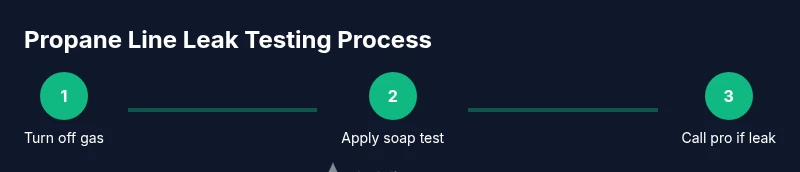
The soap-bubble test is a practical, low-risk way to check visible joints and fittings for leaks. With the gas off, apply a generous amount of soap solution to all connections and joints along the line. Gently re-open the gas supply and watch for bubbles that indicate escaping gas. Large or persistent bubbles mean a leak that requires immediate attention. If you don’t see bubbles but you still suspect a leak, re-check the area after a couple of minutes and ensure there is adequate ventilation. Never rely on smell alone—gas odors can be faint or masked by other scents. If you observe any sign of a leak, turn the gas off again and contact a qualified technician for a thorough inspection.
Tips: Use a spray bottle to apply soapy water; do not saturate electrical components or open flame sources; pause testing if you feel dizzy or lightheaded from gas exposure.
Method 2: Pressure-based leak testing (professional-grade guidance)
A pressure-based test can detect leaks that soap testing misses, but it requires careful handling and appropriate equipment. With the gas off, connect a propane-rated pressure gauge to the test port or appliance manifold and monitor pressure over a defined period (usually several minutes). A stable pressure with no drop indicates a sealed line; a drop signals a leak that needs repair. If you’re not trained to interpret gauge readings, or if you observe any pressure loss, stop testing and call a licensed propane technician. This method provides a more definitive assessment but is not recommended for DIY novices due to safety considerations.
Note: Only attempt pressure testing if you have explicit manufacturer guidance and the right equipment on hand. Never force a valve or component beyond its design specifications.
Interpreting results and next steps
Interpretation hinges on consistent findings across methods and a lack of odor or hissing. A bubble or pressure drop indicates a leak, requiring immediate action: shut off the gas, ventilate the area, and contact your gas utility or a licensed professional for repair. If no leaks are detected, document the test results and schedule periodic rechecks, especially after any relocation of appliances or changes to gas lines. Maintain clear records of tests and replacements for future maintenance and safety audits. Even when tests pass, consider a professional inspection if you plan any significant gas-line work.
What to do if you detect a leak or smell propane
If you detect a leak or smell propane, evacuate everyone from the area immediately and avoid using electrical switches or flame sources. Do not re-enter until the area is declared safe by responders. Call your gas utility, propane supplier, or local fire department from a safe location and follow their instructions. Once cleared, arrange a professional inspection to locate and repair the leak, verify the integrity of the entire gas system, and restore service only after a qualified technician approves it. The priority is to control exposure and prevent ignition.
When to call a pro and how to prepare for service
Not all leak issues are safe to fix yourself. If you’re unsure about the testing process or encounter signs of a leak, contact a licensed propane technician or your utility. Prepare by noting the locations you tested, any readings observed, and the exact odor or symptoms you noticed. Have your appliance model numbers, valve locations, and any relevant history ready for the technician. A professional will perform a thorough inspection, identify hidden leaks, and implement compliant repairs according to local codes and safety standards. Regular professional checkups can reduce risk and extend the life of your system.
Common mistakes and best practices
Avoid relying solely on your sense of smell or whether a single test passes. Always ventilate and evacuate if you suspect a leak, test only with approved products, and never tighten gas lines beyond recommended torque. Keep children and pets away during testing, and store testing equipment in a safe, dry place. The best practice is to combine methods and consult a professional when uncertain. Regular maintenance and prompt action are your best defenses against gas leaks and related hazards.
Tools & Materials
- Gas shut-off tool(Use to isolate the gas supply at the main valve or appliance shut-off)
- Soap solution (dish soap + water)(For bubble testing at joints and fittings)
- Spray bottle or squeeze bottle(To apply soap solution evenly)
- Personal protective equipment (safety glasses and gloves)(Protect eyes and skin during testing)
- Ventilation fan or portable air mover (optional)(Improves airflow during testing)
- Propane-rated pressure gauge or manometer (optional, for advanced tests)(Use only if trained and following manufacturer guidance)
Steps
Estimated time: 45-60 minutes
- 1
Locate and secure the gas shut-off
Identify the main gas shut-off valve or appliance shut-off and ensure it is easily reachable. Turn the valve to the OFF position and verify that the appliance controls are not lit or in use. This prevents gas flow during inspection and minimizes ignition risk.
Tip: If unsure which valve controls the line, consult the appliance manual or a professional before proceeding. - 2
Set up testing area and ensure safety
Open windows or doors to improve ventilation and keep the testing area clear of flames, sparks, or electrical devices. Put on safety glasses and gloves, and lay out soap solution and tools within arm’s reach. Confirm you’re only testing non-electrical joints and connections.
Tip: Do a quick surface check for visible damage before applying any solution. - 3
Apply soapy solution to joints
Generously coat all accessible joints, fittings, and valve connections with the soap solution. Avoid soaking electrical components; keep the test area dry. Reopen the gas valve slowly and watch for bubbles over a 1- to 2-minute window.
Tip: Apply in small sections to localize any potential leaks quickly. - 4
Watch for bubbles and interpret
If bubbles appear at any joint, this indicates a leak. Do not attempt to tighten or adjust a suspected leak further—shut off the gas again and contact a licensed professional for repair. If no bubbles are visible, proceed to the next inspection step.
Tip: Even small bubbles mean a leak; do not ignore them. - 5
Consider a pressure test (optional/advanced)
If you have the proper equipment and guidance, connect a propane-rated gauge to the test port and monitor pressure over 5–10 minutes. A stable reading indicates no leak; a drop signals a leak that requires professional service.
Tip: Only perform this step if you have explicit manufacturer guidance and training. - 6
Document results and prepare for service
Record locations checked, readings observed, and any odors or symptoms noted during testing. If signs of a leak are found, do not use the system and contact a licensed technician. Maintain documentation for future reference.
Tip: Photograph test areas for reference when talking to a pro. - 7
Restore gas service or arrange repair
If leaks are not detected and you intend to resume use, slowly re-open the main valve while watching for any unexpected changes. If any doubt remains, or if any joint leaked during the test, pause and schedule a professional inspection before full use.
Tip: Never hurry the re-pressurization of a line; let readings stabilize.
Questions & Answers
Is it safe to test propane lines myself?
DIY testing can be safe for basic checks if you follow strict safety guidelines, but any sign of a leak, strong odor, or low confidence should prompt a professional inspection. Never perform repairs beyond basic inspection.
DIY testing can be safe for basic checks if you follow strict safety guidelines. If you smell gas or see a leak, contact a licensed professional right away.
What should I do if I smell propane during testing?
Evacuate the area immediately and call your gas utility or local emergency services. Do not operate electrical switches or flames. Wait for professionals to assess and repair the system.
If you smell propane, evacuate and call emergency services. Do not use switches or flames while waiting for help.
Can I use soap and water to test propane lines at home?
Yes, a soap-bubble test is a common, low-risk method for identifying leaks on accessible joints. It should be done with the gas off and in a well-ventilated area.
Soap and water tests are common and safe for checking leaks when done with the gas off and good ventilation.
How often should propane lines be tested?
Regular checks are wise, especially after maintenance or relocation of gas appliances. If you suspect a leak, test immediately and call a pro for verification.
Test regularly, especially after any work on gas lines, and if you suspect a leak, test immediately and contact a pro.
What is a pressure test and is it safe at home?
Pressure tests can provide definitive results but require specialized equipment and training. They are best performed by qualified professionals following manufacturer guidance and local codes.
Pressure tests are best done by professionals with the right equipment and guidance.
What should I have ready for a professional visit?
Note locations tested, readings observed, any odors, and appliance details. Have model numbers handy and keep a log of test results for the technician.
Make a quick notes list of test results and appliance details for the pro.
Watch Video
Main Points
- Test propane lines with approved methods and precautions.
- Soap tests are simple but must be done safely; call a pro for concerns.
- A pressure test requires proper equipment and training.
- Document findings and never ignore a detected leak.
- Professional inspection is recommended if you’re unsure.