Gas Leak Troubleshooting: Protect Your Home
Urgent guide to diagnose and safely respond to gas leaks to prevent house explosions; step-by-step flow, safety tips, and when to call professionals.


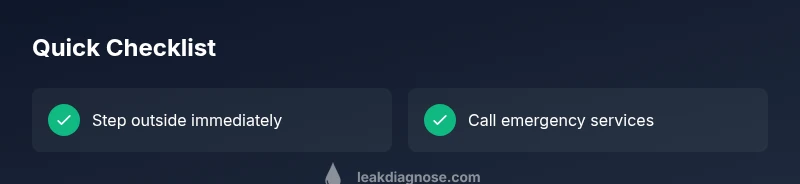
If you smell gas or hear a hiss, evacuate immediately and call emergency services. If it is safe, locate and shut off the main gas valve, then move to fresh air away from the building. Do not operate lights, switches, or flames during the incident; await a licensed technician for inspection and repair.
Why Gas Leaks Are Dangerous
According to Leak Diagnosis, gas leaks are among the most urgent household hazards because they can lead to catastrophic outcomes if not addressed promptly. Natural gas and propane are highly flammable; leaks may go undetected in some cases, and even a small ignition can ignite accumulated gas. In addition to the explosion risk, leaks can produce dangerous carbon monoxide when appliances operate improperly. Your first priority is safety: evacuate if you suspect a leak and call for help. Prevention and rapid response are essential to minimize damage and protect your home and family.
What to Do Immediately (First 5 Minutes)
In a suspected gas-leak scenario, take decisive action. If you detect a gas odor, hear a hiss, or notice a flame that seems abnormal, evacuate everyone from the home and move to a safe outdoor location. Do not use electrical switches, light a flame, or operate any devices that could create a spark. Once you’re outside, call the emergency number or your gas utility’s helpline. If you can safely reach the main shut-off valve, you may turn it off, but only if you can do so without returning to the building or risking exposure.
Common Signs of a Gas Leak
Gas leaks can present with a variety of clues that something is wrong. The most obvious is the odor of rotten eggs, but many leaks occur with no smell. Other signs include a hissing or whistling sound near gas lines or appliances, dead or dying vegetation around outside gas meters, condensation near gas lines, and pilot lights that repeatedly go out. If you notice any of these signs, treat it as an emergency and evacuate immediately. Regular maintenance and installed detectors reduce risk over time.
Diagnostic Flow: Symptom → Diagnosis → Action
Symptom: A gas odor, hissing sound, or unusual appliance behavior. Diagnosis: Potential gas leak in the supply line, appliance connection, or regulator. Action: Evacuate, call for help, and only re-enter after a professional confirms safety. This diagnostic flow helps structure decisions during a high-risk event and emphasizes safety-first actions and professional verification.
Step-by-Step: Safe Response When You Suspect a Leak
- Evacuate the area to fresh air immediately. Ensure everyone exits, including pets. 2) If safe, turn off the main gas valve from a safe location without re-entering the building. 3) Do not operate electrical switches or ignite flames; avoid using phones or other devices that could spark indoors. 4) Call emergency services or the gas utility from outside the home. 5) Wait for professionals to arrive, perform a leak test, and determine repairs. 6) Schedule a licensed technician to inspect the system and repair any damaged components. Tip: Have a gas shut-off procedure and contact numbers written and posted in a visible place.
Prevention and Maintenance to Avoid Future Leaks
Regular inspection of gas lines by a licensed technician is the most effective prevention. Install and maintain carbon monoxide detectors in key living areas. Replace older or damaged gas appliances and ensure proper venting. Cultivate a safety routine: know shut-off locations, understand how to recognize leaks, and keep a contact list handy. Leak Diagnosis recommends practicing your response plan so your family can act quickly during an actual event.
When to Call a Professional and What to Expect
Even when you think a leak is minor, it is essential to involve a licensed gas technician. They will locate the source, verify the integrity of pipes and connections, and perform safe repairs following local codes. Expect a thorough inspection, potential pressure tests, and verification of leak-free operation before restoration of normal use. Leak Diagnosis emphasizes not re-entering until professionals declare it safe.
Steps
Estimated time: 60-120 minutes
- 1
Evacuate to fresh air
Leave the building immediately and move everyone and pets outdoors to a safe distance, avoiding vehicle exhausts or sources of ignition. Do not stop to collect belongings. Once outside, call for help.
Tip: Account for children and seniors; designate a meeting point outside. - 2
Assess safety and reachability
If you can do so safely, identify the nearest safe shut-off valve and determine if you can reach it without entering the building. Do not re-enter if you are unsure about the safety of the area.
Tip: Know your shut-off valve location in advance and practice the route. - 3
Shut off gas only if safe
Turn off the main gas valve from outside or an exterior area if you can access it safely. Avoid touching any inside valves or pipes if you must go back through danger zones.
Tip: Never lean over a gas line; use a wrench only if you are trained. - 4
Call for professional help
Contact emergency services or the gas utility from a safe location. Report gas odor, hissing sounds, and the location of the building.
Tip: Provide exact address and any known hazards to responders. - 5
Ventilate the area and wait
After professionals clear the scene, keep doors and exterior windows open to vent residual gas, if advised safe by responders. Do not re-enter until they confirm safety.
Tip: Follow all instructions from responders and avoid re-entry until cleared. - 6
Schedule repairs
Arrange a follow-up with a licensed gas technician to inspect and repair leaks, replace faulty components, and verify leak-free operation.
Tip: Document the service and keep records for future safety checks.
Diagnosis: Gas odor, hissing sound, or abnormal appliance performance
Possible Causes
- highGas leak in supply line or appliance connection
- mediumFaulty regulator or gas appliance component
- lowVentilation issues causing gas buildup indoors
Fixes
- easyTurn off main gas valve only if you can do so safely from outside or a reachable location without re-entering the home
- easyEvacuate immediately and call emergency services or the gas utility
- easyDo not operate electrical switches or ignite flames while the issue is unresolved
- easyHave a licensed technician inspect and repair the system
Questions & Answers
What should I do if I smell gas in my home?
Evacuate immediately and call the emergency number or gas utility. Do not operate electrical switches or attempt to locate the leak yourself. Stay outside until professionals declare it safe.
If you smell gas, leave the home right away and call for help. Do not re-enter until responders say it's safe.
Can I turn off the gas main myself?
Only if you can reach the main shut-off safely without entering the building. If you cannot reach it safely, wait for professionals. Do not attempt to force valves or access dangerous areas.
Only if it's safe and easy to reach outside; otherwise wait for professionals.
How can I tell if there is a gas leak besides smelling it?
Look for hissing sounds near gas lines, dead vegetation around outdoor meters, or gas appliances that repeatedly extinguish flames. If unsure, treat as a leak and evacuate.
If you hear a hiss or see unusual signs, treat it as a leak and get help.
Is it safe to stay inside during a suspected gas leak?
No. Stay outside and away from the building. Re-enter only after professionals confirm it is safe.
Stay outside until a pro says it's safe.
What will a professional do during a gas-leak inspection?
They will locate the source, inspect connections and lines, perform tests, and recommend repairs following safety codes. Expect potential component replacement and leak verification.
A pro will locate, test, and repair the leak and verify it's fixed.
How often should I check for gas-leak risks?
Schedule regular inspections by a licensed technician and test detectors monthly to ensure early warning of leaks.
Get regular professional checks and test detectors monthly.
Can a DIY repair be safe for a gas leak?
DIY repairs are not recommended. Gas leaks require licensed technicians to ensure safety and compliance with codes.
Don't DIY gas repairs—call a pro for safety and code compliance.
What should I tell responders when they arrive?
Describe what happened, when it started, where you detected gas, and any appliances affected. Provide access instructions and any safety concerns.
Tell responders what happened, where you detected gas, and any safety concerns.
Watch Video
Main Points
- Act quickly and evacuate if you smell gas or hear a hiss.
- Call emergency services and avoid any ignition sources.
- Shut off gas only if it is safe to do so from outside the building.
- Contact a licensed technician for inspection and repair.
- Install detectors and maintain a safety plan for future leaks.