Gas Leak Explosion House: Safety, Detection & Prevention
Learn to recognize gas leaks, respond safely, and prevent explosions in your home with practical steps, detectors, and guidance from Leak Diagnosis today.


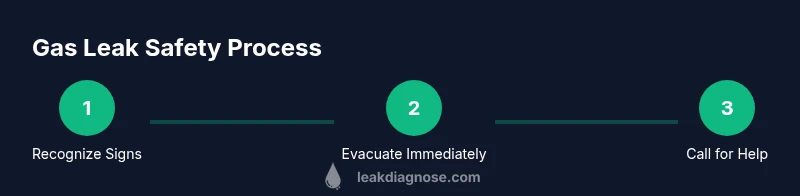
Goal: Learn to recognize gas leaks, respond safely, and prevent explosions in your home. Signs include a strong odor, hissing sounds, or dead vegetation near vents. If you suspect a leak, evacuate immediately and avoid flames or electrical devices. From a safe outdoor location, call your gas company or emergency services. Only shut off the gas if you can do so safely from outside.
Understanding the hazard: gas leaks and explosion risks in a home
Gas leaks involve natural gas or propane that can escape from pipes, fittings, or appliances. In a closed space, the gas may mix with air and become highly combustible. An ignition source, such as a spark or flame, can ignite this mixture and cause an explosion or fire. The risk is influenced by the concentration of gas, ventilation, and proximity to heat sources. While modern home systems include safety devices, the most reliable protection comes from awareness, rapid action, and professional maintenance. This block explains the science in plain terms and connects it to practical steps you can take. The goal is practical literacy: you don’t need to be a technician to reduce risk and protect your family. In the event of a suspected leak, remember that time matters. A cautious, immediate response can prevent a catastrophe and buy responders the time they need to secure the area and shut down the source safely. As you read, keep one principle in mind: safety first, every minute of the way. In the following sections you’ll see how to recognize signs, respond, and prevent future incidents, all through the lens of a homeowner who wants to protect every room in the house. Leak Diagnosis emphasizes practical, non-technical guidance you can apply today.
Signs of a gas leak you should not ignore
A gas leak leaves telltale indicators that are worth heeding, even if you aren’t sure. The most common clue is a strong, sulfur-like odor added to natural gas to help detection. If you notice the odor, minimize movement and avoid creating any sparks or flames. You may also hear a faint hissing or whistling sound near a gas line or appliance. Visual cues like peeling paint near gas vents, mist near liquid propane tanks, or dying vegetation around exterior gas lines can indicate a leak outdoors. Some people experience dizziness, nausea, or headaches when exposed to gas accumulations, particularly in enclosed spaces. Any combination of these signals should trigger an immediate evacuation and a call to the proper responders. Remember that gas can accumulate in cavities, closets, basements, or crawl spaces where it’s hard to notice until it’s too late. In addition to the odor and sound clues, conscientious homeowners should regularly test detectors and keep a simple log of appliance maintenance and inspections to catch issues early. The key is to act quickly and calmly, using a plan your household has practiced. This approach reduces risk and supports a faster, safer resolution. The Leak Diagnosis team notes that proactive monitoring significantly lowers the chance of a dangerous outcomes when a gas leak arises in the home.
Immediate safety actions if you suspect a gas leak
If you suspect a gas leak, your first move should be to evacuate everyone from the home and move to a safe outdoor area. Do not operate electrical switches, light a flame, or use a phone inside the building because these actions can create ignition sources. From a safe location, call your gas company or emergency services to report the suspected leak and start an official response. If you can reach the main shut-off valve safely from outside, you may turn the valve to stop the gas supply, but do this only if you can do it without entering or returning into the building. Do not try to repair the leak yourself. Professional technicians have the proper equipment and training to confirm the leak source and safely shut off gas flow. While waiting for responders, avoid re-entering the home, close doors to preserve the outdoor area for responders, and keep children and pets away from the site. During and after the incident, document times and signs to share with the utility or a licensed plumber during inspection. This approach keeps everyone safer and streamlines the investigative process. As soon as the area is declared safe by authorities, plan for a formal inspection and repair strategy with a certified professional. In all steps, prioritize your safety and rely on trained responders for a safe resolution.
Evacuation plan and a safe meeting point
A clear evacuation plan is essential in a potential gas leak scenario. Identify two exit routes from every living space in case one path is blocked by smoke or fumes. Assign responsibilities so children, elderly residents, and guests know where to go and what to do. Establish a single outdoor meeting point at a safe distance from the home, such as a neighbor’s driveway or a street corner away from the structure. Practice the route with all household members, including pets, at least once a year. When you’re outside, avoid smoking or using any electronic devices that might create sparks. Keep a simple checklist at the door: exit, gather, call emergency services, and wait for the all-clear before returning. In repeat practice, you should be able to move quickly and calmly, never delaying actions that could affect your safety. If a neighbor housing is affected, coordinate a shared plan for relocating while authorities assess the situation. The goal is to limit exposure and ensure you’re ready to follow responders’ directions.
What to do after evacuating: information gathering and next steps
After evacuating, you should call emergency services and your gas company from a safe location. Provide precise information: address, what you smelled or heard, the time, and any symptoms. Do not re-enter until the gas utility or fire department confirms it is safe. A professional assessment is essential to locate the leak, repair damaged lines or appliances, and restore service correctly. Documentation of the event helps the contractor diagnose the root cause and determine whether other units require inspection. In many cases, the gas company will perform an initial assessment and schedule a licensed gas fitter to perform detailed repairs. You should also review your home’s ventilation strategy, ensuring that CO detectors are functioning and that there is adequate airflow to prevent re-accumulation of gas after the source is secured. Learning from this incident and applying safer practices can help prevent future leaks and reduce the risk of explosions. When the area is cleared for re-entry, you can plan a safer, more resilient setup for your household.
Prevention and maintenance: detectors, ventilation, and upkeeping safety
The best defense against gas leaks is prevention. Install certified gas detectors on every level and near bedrooms to alert you early. Regularly test detectors and replace batteries according to the manufacturer’s schedule. Schedule annual inspections of all gas appliances, lines, and vents with a licensed professional. Ensure proper ventilation around furnaces, water heaters, and stoves, and never block exhaust vents or flues. Keep flammable materials away from heat sources and use only approved venting for appliances. When repairing or replacing equipment, hire a qualified technician who can verify that connections are tight and that gas pressure and flow are within safe ranges. Finally, create a household safety plan that includes emergency numbers, exit routes, and a drill schedule. This proactive approach reduces the likelihood of leaks escalating into dangerous situations. By building a culture of safety, you decrease risks and protect your family over the long term. Leak Diagnosis supports homeowners with practical, field-tested guidance that you can apply in real life.
Hiring a licensed professional: choosing the right expert for gas systems
When you need a professional, start by verifying licensure and insurance. Ask about their experience with natural gas and propane systems, as well as their certifications for gas fitting and gas appliance repair. Request written estimates and compare scope of work, materials, and warranties. A reputable technician will perform a thorough inspection, test for leaks with calibrated equipment, and explain findings in clear terms. Before work begins, confirm whether a permit is required by your local authority and ensure the contractor will handle these processes. After the service, request a written report of what was found and what was fixed, including the location of the leak, the type of appliance, and any safety recommendations. This documentation helps you monitor the system’s safety going forward and ensures compliance with regulations. Always prioritize licensed professionals, avoid unverified contractors, and never accept substandard repairs that could risk your home. A well-chosen pro reduces risk and provides long-term peace of mind for your family.
Safe practices around gas appliances: do's, don'ts, and routines
Adopt routines that support gas safety: schedule annual professional inspections, replace worn hoses, and never use damaged or improvised connections. Do keep a portable fire extinguisher accessible and check its status regularly. Don’t attempt to repair gas lines yourself or use unapproved equipment. Do ensure the area around appliances is well-ventilated and free of clutter. Do educate all household members about signs of leaks and the correct steps to take. Do install detectors and verify their operation on a regular basis. By building safer habits and maintaining equipment properly, you reduce the risk of leaks and the chance that a minor issue becomes a major incident. The practical details in this guide reflect real-world scenarios and emphasize simple, repeatable routines that homeowners can implement today.
Authoritative sources: quick reference for further guidance
- NFPA: Gas leak safety and prevention guidance — https://www.nfpa.org/
- OSHA: Gas safety and working with gas systems — https://www.osha.gov/
- EPA/DOE energy safety resources: general home safety and ventilation tips — https://www.energy.gov/
Tips & warnings: concise safety bullets you can remember
- Pro_tip: Install battery-operated gas detectors on every floor and test them monthly for reliability.
- warning: Do not use electrical switches, mobile phones, or light bulbs inside a suspected gas leak area.
- pro_tip: Keep a printed emergency plan and a ready-to-go evacuation kit near the main exit.
- warning: If you smell a strong gas odor or hear a gas leak, evacuate immediately and call for help from outside.
- note: Regular maintenance reduces risks and extends the life of gas appliances.
Tools & Materials
- Gas detector (natural gas/propane)(Place on each living floor, near sleeping areas; replace batteries annually)
- Battery-powered flashlight(Keep spare batteries; keep by exit routes)
- Fully charged mobile phone(Pre-program emergency numbers and gas company contacts)
- Emergency contact list (gas company, local emergency services)(Printed and posted near the main exit)
- Gas shut-off tool or meter key(Only use if you can reach safely from outside; do not enter to shut off gas)
- Safety gloves(Protect hands while handling utilities if needed)
Steps
Estimated time: 60-90 minutes
- 1
Identify signs of a leak
Be alert to odor, sounds, and visible indicators. An envelope of uneasy symptoms like dizziness or headaches can accompany exposure. Do not investigate further by approaching appliances if you suspect a leak. The goal is to recognize risk and initiate a safe response.
Tip: Document the time you noticed symptoms and any appliances involved for later reporting. - 2
Evacuate to a safe outdoor area
Move everyone and pets outside without using lights or switches. Stay upwind from the building if possible and avoid touching metal fences or objects that could be energizing. Keep the area clear for responders.
Tip: Designate a family meeting point and rehearse the route annually. - 3
Call emergency services from outside
From a safe location, call the local gas company and, if necessary, emergency services. Provide your address, describe the signs, and note whether anyone is showing symptoms. Do not re-enter the building until professionals say it is safe.
Tip: Have your location and access to the gas shut-off valve ready for responders. - 4
If safe, shut off the main gas valve
Only attempt this if you can reach the valve without entering or crossing through the building. Use the valve wrench or handle to stop gas flow, then back away and wait for professionals. Do not force the valve if you cannot reach it safely.
Tip: Shut off gas only when you can do so safely from outside; otherwise wait for responders. - 5
Refrain from re-entry and await clearance
Do not return until the gas company or fire department confirms it is safe. Once cleared, arrange a professional inspection to locate and repair the source. Consider testing all connected appliances after service.
Tip: Keep a log of who inspected and what was found for future maintenance. - 6
Plan for professional inspection and repair
Hire a licensed gas fitter to locate leaks, repair lines, and verify system integrity. Request a written report and ensure permits are obtained if required. Follow up with a safety plan and routine maintenance schedule.
Tip: Ask for a full diagnostic and a copy of warranties on parts replaced.
Questions & Answers
What are the first signs that there is a gas leak in a home?
Common signs include a strong rotten-egg odor, a hissing sound near gas lines, dead vegetation around exterior gas vents, and sometimes dizziness or headaches among occupants. If you notice signs, evacuate and call for help.
Common signs include a strong odor and a hissing sound near gas lines. If you notice these, evacuate and call for help right away.
Can I shut off the gas supply myself?
Only if you can reach the main shut-off valve safely from outside the building. Do not attempt to reach or operate valves that require entering the home or that are blocked.
You should only shut off the gas if you can do it safely from outside. If not, wait for responders.
What should I do after a suspected gas leak is controlled?
Schedule a professional inspection, verify all appliances, and install or test detectors. Follow the technician's recommendations and keep records for future maintenance.
After it’s controlled, get a professional inspection and verify detectors are working.
Are gas leaks dangerous to pets or children?
Yes. Gas leaks pose serious risks to everyone, especially children and pets who may be more vulnerable to fumes and disorientation. Evacuate quickly and protect vulnerable household members.
Gas leaks are dangerous for everyone, especially kids and pets. Evacuate quickly.
How often should I replace gas detectors?
Test detectors monthly and replace batteries as recommended by the manufacturer. Replace the entire unit when it fails a test or reaches the end of its service life.
Test detectors monthly and replace batteries as directed; replace units as needed.
Will the gas company fix leaks at no cost?
Leak repairs in a home typically involve a service call fee and materials; costs vary. The gas company will assess and advise, but some work may be billed to homeowners depending on coverage and cause.
Costs can vary; the gas company will assess and advise on coverage and fees.
Watch Video
Main Points
- Evacuate immediately upon signs of a leak; safety first.
- Call professionals from outside the home; do not re-enter.
- Use detectors and maintain appliances to prevent leaks.
- Hire licensed gas fitters for inspection and repairs.
- Document actions and maintain an emergency plan for future safety.