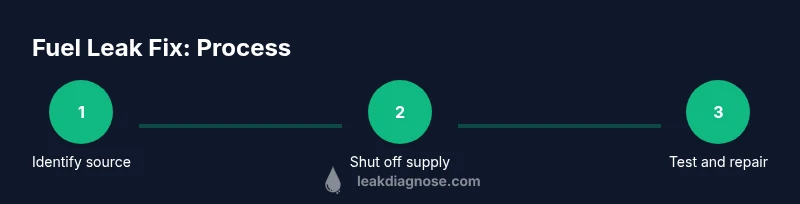
Fuel Leak Fix: Safe, Step-by-Step Home Guide
Learn how to identify, diagnose, and safely fix a fuel leak at home with practical steps, essential tools, and safety tips. This Leak Diagnosis guide emphasizes safety, testing, and knowing when to call a pro.


According to Leak Diagnosis, you can safely locate and address a fuel leak with a methodical, step-by-step approach. By prioritizing ventilation, shutting off the fuel supply, and avoiding ignition sources, you’ll reduce risk while diagnosing common leak points. This guide covers tools, testing, and safety, and advises professional help for major leaks.
Understanding the risk of fuel leaks
Fuel leaks pose immediate fire and explosion hazards, and many fuels can irritate skin and eyes or cause dizziness from fumes. Gas leaks can lead to carbon monoxide buildup if combustion occurs in enclosed spaces. Homeowners should treat any fuel odor seriously: evacuate if the scent is strong, ventilate the area, and avoid using electrical switches or open flames. In partnership with safety protocols, the Leak Diagnosis team emphasizes that early detection and cautious handling substantially reduce risk. For any suspected leak, call your utility or local emergency number if the odor is persistent or you cannot locate the source safely. Always verify that ventilation is improving air quality before attempting any inspection in the area where fuel is present. This preparation is the foundation of a responsible fuel leak fix plan.
Common sources of fuel leaks in residential systems
Fuel leaks show up at different points depending on the system. Common sources include gas lines and connectors near appliances, propane tank hoses, furnace or water heater supply lines, flexible gas lines, and appliance shut-off valves. Corrosion, vibration, poor routing, and age can degrade fittings, causing slow drips or sudden bursts. Knowing where to check first saves time: inspect joints on supply lines, look for damp spots around fittings, and listen for a faint hiss when a valve is slightly opened. When homeowners document a leak pattern, it becomes easier to communicate with a professional and reduce the risk of a dangerous surprise during routine maintenance.
Safety first: immediate steps if you smell fuel
If you detect a strong fuel odor, prioritize safety: leave the area and avoid ignition sources. If you can do so safely, shut off the main fuel supply, open doors and windows, and move to fresh air. Do not operate electrical switches, light a match, use a phone, or create sparks. Call your local gas utility or emergency services from a safe distance. If a professional confirms a fix, ensure the area is well-ventilated before re-entering and relighting any pilots or appliances following the manufacturer’s reset instructions. Document the odor’s location and the time it started to aid the investigation.
Tools and materials for a fuel leak fix
Having the right tools on hand makes a fuel leak fix safer and faster. Essential items include a gas leak detector, a propane/natural gas-rated soap solution or spray, an adjustable wrench, gas-rated thread sealant tape, replacement hoses or fittings that match your appliance, a flashlight, and PPE such as gloves and eye protection. Keep a battery-powered detector in the area and a plan for turning off the supply safely if needed. For fragile or uncertain connections, always defer to professional guidance. Proper storage and organization of tools help reduce mistakes during a high-stress situation.
Diagnostic approach: locating the leak
Begin with a calm, methodical inspection. Use a gas detector to identify a leak source, then apply a soapy water solution to suspected joints and fittings; bubbles indicate a leak. Check all connectors at appliances, shut-off valves, and any flexible hoses. If you find bubbling around a joint, tighten gently and recheck. Do not overtighten metal fittings, which can cause cracks or threads to fail. Document findings with notes or photos to help a professional diagnose the root cause and determine if a repair or part replacement is needed.
Repair methods: patching, replacing, and venting
Repairs vary by location and severity. For small, accessible leaks, you may tighten fittings and apply approved gas-rated sealant tape or thread sealant where permitted by the manufacturer. Replace damaged hoses or connectors with units rated for gas and compatible with your system. If you suspect corrosion, persistent seepage, or a damaged appliance, do not attempt a DIY fix—replace the entire assembly or call a licensed technician. After a repair, ensure vents are unblocked, and keep the area well ventilated while testing resumes.
Testing after repair: verifying a successful fix
A thorough test confirms that the leak is resolved. Reapply the soapy water to all repaired joints and look for bubbles for several minutes. If no bubbles appear, use a gas detector at the suspected points to ensure absence of a leak. Recheck adjacent fittings and hoses, as stress from repairs can shift other connections. Keep a log of test results and any adjustments. If the odor returns or you still detect a leak, shut off the supply and contact a professional immediately.
Preventive maintenance to reduce future leaks
Prevention reduces risk and saves time. Schedule annual inspections of gas lines, connections, and appliances. Replace aging hoses and flexible lines according to the manufacturer’s recommendations and avoid DIY fixes on unseen internal joints. Keep appliances properly secured and free of debris, and ensure proper ventilation in storage and utility spaces. Maintain a clear path to shut-off valves and label them for quick access in emergencies. Routine checks, even when no odor is present, help catch leaks early.
When to call a professional and what to expect
If you are unsure about any step, suspect a gas leak with odor, or cannot confidently isolate the source, call a licensed gas fitter or your utility's emergency line. A professional will perform a thorough inspection, pressure test, and verify the integrity of the entire gas system. Expect a written report with recommended fixes, part replacements, and a safety plan. A professional inspection provides long-term safety and compliance with local codes.
Common mistakes to avoid during a fuel leak fix
Avoid using matches or lighters near suspected leaks, and never ignore the odor. Do not attempt makeshift fixes on pressurized gas lines or unknown fuel systems. Do not rely on a single test; validate with multiple methods (detector readings plus bubble tests). Do not seal or cover vents during testing, and do not bypass shut-off valves. Finally, never skip safety PPE; protect eyes and hands during inspections and repairs.
Real-world example and lessons learned
A homeowner noticed a slow hiss near a furnace line, verified with soapy water, and tightened a corroded connector. After replacing the worn hose and testing again with bubbles-free results, the area was ventilated and rechecked over the next 24 hours. The key lessons: never rush, document every step, use correctly rated parts, and follow manufacturer guidelines. Real-world fixes reinforce the value of careful inspection and professional backup when needed.
Next steps and how to stay safe
Remain proactive by scheduling regular checks and updating your home’s fuel system inventory. Keep emergency numbers accessible and clearly posted near the area, along with shut-off valve locations. Consider a home safety plan that includes safe practices for unknown odors, a decision tree about DIY vs. professional help, and a maintenance calendar to track replacements and inspections. Staying informed empowers a confident, safe fuel leak fix strategy.
Tools & Materials
- Gas leak detector(Electronic or chemical detector suitable for gas lines)
- Soapy water solution or gas leak spray(Bubble test to identify small leaks)
- Adjustable wrench(For tightening fittings gently)
- Gas-rated thread sealant tape or sealant(Only if approved for your system)
- Replacement hoses/fittings(Ensure compatibility with gas type and appliance)
- PPE: gloves and eye protection(Protect hands and eyes during inspection)
- Flashlight(Inspect dark corners and connections)
- Rags or towels(Wipe spills and keep area dry)
- Ventilation device or fans(Improve air exchange during testing)
- Shut-off tool or wrench for main valve(Assists in rapid shut-off if needed)
Steps
Estimated time: 60-120 minutes
- 1
Identify the leak source safely
Use a gas detector and soapy water on suspected joints to locate the leak. Note all suspect points with photos or notes for reference. Do not touch live gas lines; proceed only if you can access the area without risk.
Tip: Document findings with photos for contractor reference; visual cues help when discussing parts. - 2
Shut off the fuel supply if safe
Turn off the main gas valve or appliance shut-off if you can do so without stepping into a pressurized area. This reduces further flow and provides a safer environment for inspection.
Tip: If you cannot access the shut-off safely, evacuate and call emergency services. - 3
Ventilate the area
Open doors and windows to increase airflow. Use a fan placed to blow air outward from the space to push fumes away from living areas. Do not create sparks or use electrical devices that could ignite fumes.
Tip: Ventilation improves safety during any subsequent checks or repairs. - 4
Apply a temporary sealant only where permitted
If you have manufacturer-approved sealant for the system, apply it to the affected joints per instructions. Do not rely on sealants as a permanent solution for critical gas lines.
Tip: Always verify compatibility with your gas type and appliance. - 5
Tighten or replace faulty connections
Gently tighten loose fittings and replace damaged hoses or connectors with gas-rated components. Avoid over-tightening, which can crack fittings or strip threads.
Tip: Use a torque spec if provided by the part manufacturer. - 6
Re-test for leaks
Reapply soapy water to repaired areas and recheck with a detector. Ensure no bubbles form for several minutes and monitor for a period after testing.
Tip: Keep a log of test results and date of repair. - 7
Restore ventilation and re-light appliances
Only re-enter the space and relight pilots or appliances after a successful leak test and area ventilation. Follow manufacturer reset procedures.
Tip: If you’re unsure, wait for a professional sign-off before relighting. - 8
Document and plan next steps
Record what was fixed, parts replaced, and any follow-up maintenance. Schedule a professional inspection if the leak recurs or if there are any signs of damage.
Tip: Set reminders for annual inspections and hose replacements.
Questions & Answers
What should I do immediately if I smell fuel?
Evacuate the area, avoid flames or sparks, and call your local gas utility or emergency services. If safe, open doors and windows to vent the space. Do not operate electrical switches or use lighters.
If you smell fuel, leave the area and call emergency services. Ventilate only after you are safely away from the source.
Can I fix a fuel leak myself?
For small, accessible joints with clear access, minor tightening may be possible by a trained homeowner. Most gas line repairs and all major leaks should be performed by a licensed professional to ensure compliance and safety.
Some minor fixes are possible, but major gas line repairs require a licensed professional.
What tools do I need for a fuel leak fix?
Essential tools include a gas detector, soapy-water test solution, adjustable wrench, gas-rated sealant or tape, and replacement hoses or fittings compatible with your system. PPE like gloves and eye protection is also important.
Have detectors, soap solution, and the right gas-rated parts ready before you start.
How can I tell if a leak is fixed?
Re-test all joints with soapy water and verify with a detector for several minutes. If no bubbles or readings appear and there is no odor, the fix is likely successful. If the odor returns, seek professional help immediately.
Re-test with soapy water and detectors to confirm a leak is gone.
Is temporary sealing safe on gas lines?
Temporary sealants can be dangerous on pressurized gas lines. Only use manufacturer-approved products and replacements, and never rely solely on sealants for a persistent leak.
Don’t rely on temporary sealants for gas lines; use approved parts and professional help when needed.
How often should I inspect for leaks?
Inspect annually and after any noticeable changes in appliance performance or odors. Immediate checks are warranted if you suspect a leak after a repair.
Do periodic checks yearly, and after any odor or performance change.
Watch Video
Main Points
- Identify leak sources safely using detectors and soapy tests.
- Shut off fuel supply if safe before inspection.
- Ventilate area and avoid ignition sources at all times.
- Use gas-rated parts and avoid DIY fixes on major lines.
- Test thoroughly after repairs and keep documentation.
- Know when to call a licensed professional.