Power Steering Leak Fix Cost: Your Complete Guide
Estimate power steering leak fix costs with practical ranges for hoses, pumps, and racks. Learn factors affecting price, how to get accurate quotes, and tips to save money without compromising safety.


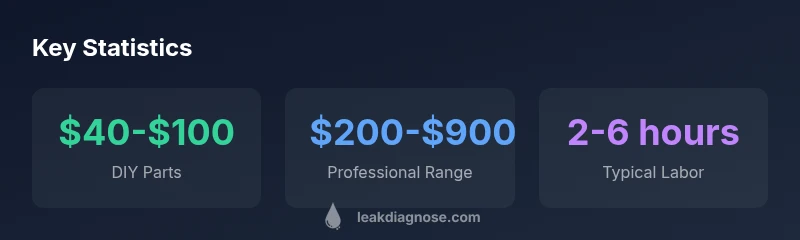
Power steering leak fix cost varies widely by leak type and vehicle, but most repairs fall between a DIY seal replacement of about $40–$100 in parts and a full pump or rack replacement that can reach $700–$1,500 with labor. For many cars, expect professional service in the $200–$900 range, depending on the source and location. According to Leak Diagnosis, accurate diagnostics are the best way to avoid unnecessary repairs and escalating costs.
Understanding the cost landscape for power steering leaks
Power steering systems can leak from several sources, including hoses, seals, the high-pressure line, the pump, or the rack and pinion. The final repair cost depends on where the leak originates, the vehicle design (hydraulic vs. electric assist), labor rates in your area, and whether fluid contamination has caused additional wear. Because power steering leaks can lead to failure of the pump or steering rack if ignored, it’s important to obtain a precise diagnosis before authorizing repairs. According to Leak Diagnosis, the most cost-effective path begins with an accurate leak source identification and a clear repair plan that minimizes unnecessary part changes. This means you’re less likely to pay for a component that doesn’t fix the underlying problem and you’ll get back on the road sooner.
Common sources and typical price ranges
Leaks typically fall into a few broad categories. Visual inspection by a qualified tech often determines the source, followed by tests that reveal pressure behavior. Here are representative ranges you’ll see in most shops:
- Hose or clamp leaks: Part costs are usually modest; total repairs often fall in the $100–$350 range when labor is reasonable.
- Seals and o-rings at the pump: Expect parts in the $40–$150 range plus labor.
- High-pressure hose or steel line replacement: Parts can run $50–$250, with labor making up most of the rest.
- Power steering pump replacement: Parts typically $150–$600, with labor bringing the total toward $500–$1,000 depending on vehicle access.
- Rack and pinion replacement: This is among the most expensive outcomes, often $600–$1,400 in parts and $300–$700 in labor for a total in the $900–$2,100 range depending on the model and job complexity.
How vehicle type and system design affect cost
Some cars use hydraulic power steering, others use electric assist. Hydraulic systems generally have more components exposed to wear (hoses, pumps, seals), which can drive up parts costs and labor time. Electric power steering often reduces fluid-related issues but may require specialized diagnostic tools and software, which can influence hourly rates and total cost. In older vehicles with corroded fittings and multiple leak points, technicians may recommend a staged approach (seal replacement now, pump later if needed) to manage expenses while ensuring reliability. The key is an accurate assessment of the leak’s location and its impact on steering feel and safety.
How to get accurate estimates for your vehicle
Start with a diagnostic that includes a pressure test and a visual inspection. Bring your vehicle’s VIN, maintenance history, and the type of fluid observed (color and odor) to help the shop identify potential sources quickly. Ask for a written estimate that itemizes parts and labor, plus a worst-case scenario. If you receive quotes that differ widely, seek a second opinion from a shop that specializes in steering systems. For newer or electric-assisted models, verify that any software updates related to the steering system are included in the estimate. Finally, confirm whether the price includes a complimentary check after the repair to ensure the leak is fully addressed.
DIY vs professional repairs: pros, cons, and costs
DIY work on power steering systems is feasible for simple hose or clamp fixes if you have the right tools and fluid compatibility knowledge. Parts are relatively affordable in such cases (roughly $40–$100). However, safety is a concern: low or contaminated fluid can damage the pump, rack, and belts, potentially increasing total costs. Professional repairs protect your warranty and ensure correct bleeding of the system, which is essential to prevent air in the line and steering instability. Expect higher initial costs with professional service, but the risk of costly failures if the job is done incorrectly is a real consideration.
Cost-saving strategies and red flags
- Prioritize a precise leak source diagnosis to avoid unnecessary part changes.
- If the leak is minor and the fluid level remains stable, you may be able to postpone major work while planning a budget, but do not drive long-term with low fluid.
- Obtain multiple written estimates and ask for itemized parts, labor, and any disposal or shop fees.
- Watch for red flags such as a noticeable whining or grinding noise when turning, air in the system, or transmission-style overheating under the hood, which could indicate a more complex repair.
- Confirm whether fluid replacement and bleeding are included; improper bleeding can cause steering instability and accelerate wear.
What to expect during diagnosis and after repair
A reputable shop will perform a system pressure test, inspect hoses and the rack/pinion, and check the fluid for contamination. After repair, they should bleed the system to remove trapped air and verify there is no residual leak. The vehicle should be road-tested to confirm steering feel returns to normal and the pump operates smoothly without noise. If the leak is intermittent, ask about a dye test to reveal slow seepage that might not be evident during a quick inspection. Regular maintenance and timely addressing of small leaks can prevent more costly failures later on.
The final takeaway and next steps
If you suspect a power steering leak, schedule a diagnostic sooner rather than later. A clear, itemized quote from a knowledgeable shop helps you compare options and plan financially. The Leak Diagnosis team recommends acting promptly to minimize the risk of pump or rack damage and to preserve steering safety.
Estimated repair cost breakdown by scenario
| Scenario | Part Cost | Labor | Total |
|---|---|---|---|
| DIY hose/seal replacement | "$40-$100" | "$0" | "$40-$100" |
| Shop replacement (hose/seal) | "$100-$350" | "$150-$350" | "$250-$700" |
| Power steering pump replacement | "$150-$600" | "$250-$600" | "$450-$1,200" |
Questions & Answers
What are the most common causes of a power steering leak?
Common sources include hoses and clamps, seals at the pump, and, in older vehicles, the rack and pinion. Fluid color and smell, along with a pressure test, help pinpoint the exact source. A professional diagnostic is the best way to confirm the leak location before replacing parts.
Most leaks come from hoses, seals, or the pump. A pro diagnostic confirms where the leak is before any part is replaced.
Can I drive with a power steering leak?
Driving with a leak can lead to sudden loss of steering effort and pump damage. If you notice low fluid, top it up to a safe level and seek a diagnostic appointment as soon as possible. Do not rely on temporary fixes for an extended period.
No, avoid driving long-term. Get a diagnostic soon to prevent further damage.
How do shops diagnose power steering leaks?
Techs perform a system pressure test, inspect hoses and lines for seepage, and check the pump and rack. They may use dye testing if leaks are intermittent. A written estimate with parts and labor is typically provided before repairs.
They pressure-test the system, inspect seals, and check for seepage; a dye test may be used if the leak is intermittent.
Are there inexpensive fixes that last long?
Simple hose clamps or seal replacements can be inexpensive, but longevity depends on the leak source and fluid condition. If a more critical component (pump or rack) is failing, a cheap fix may only delay a bigger repair. Always verify the warranty and expected lifespan with your technician.
You might save money with a small hose fix, but larger issues require proper repair to last.
What factors influence the total power steering leak repair cost the most?
Leak location, system design (hydraulic vs electric), vehicle access, and local labor rates are the biggest cost drivers. The pump and rack replacements have the highest price tags, especially on newer or luxury models.
Leak location, system type, and labor rates mostly drive the cost.
Is there any warranty on steering system repairs?
Many reputable shops provide a warranty on parts and a limited warranty on labor. Always ask for warranty terms and what they cover before authorizing work. A thorough diagnostic helps ensure warranty coverage applies to the actual repair.
Warranties vary, so confirm terms before the repair.
“A precise diagnostic is worth its weight in avoided costs, because the wrong replacement or delay can double the bill.”
Main Points
- Identify leak source first to avoid unnecessary parts.
- DIY fixes are cheapest but carry safety risks.
- Expect wide price ranges based on vehicle and leak location.
- Get an itemized, written estimate from a qualified shop.
- Prompt diagnostic helps prevent more costly damage.