Is an EVAP Leak Worth Fixing? A Homeowner's Guide
Learn how to evaluate whether fixing an evaporative emissions (EVAP) leak is worth the cost, what diagnostics to expect, and when to DIY vs hire a professional for vehicle emissions issues.


How EVAP Systems Work
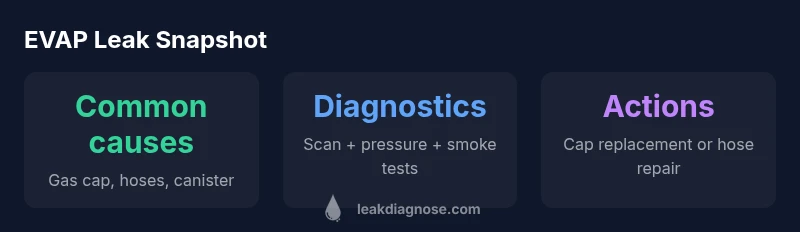
The evaporative emission control system (EVAP) in modern vehicles is designed to capture fuel vapors from the fuel tank and route them to the engine for burning rather than venting them to the atmosphere. The key components include the fuel cap, hoses, purge valve, vent valve, and the charcoal canister that stores vapors until engine conditions and computer controls can burn them. When everything is functioning correctly, you should not notice any odor, and the check engine light should remain off. According to Leak Diagnosis, the system is a subtle but important line of defense against fuel vapor emissions. A small compromise, like a loose gas cap or a cracked hose, can increase evaporative emissions and trigger diagnostic codes over time.
The EVAP system relies on vacuum and pressure testing to isolate leaks. Modern vehicles use onboard diagnostics to monitor the system for leakage and valve faults. If the computer detects a leak, you’ll typically see a stored code such as P0455 or related EVAP-related codes, prompting a diagnostic workflow. The bottom line is that even small leaks can degrade performance and emissions, but the impact varies with vehicle design and driving conditions.
Is an EVAP Leak Worth Fixing? The Bottom Line
The short answer centers on risk versus cost. A small, inexpensive fix like tightening a gas cap is almost always worth doing, because it prevents a recurring warning and preserves fuel economy. More complex leaks—such as cracked hoses, faulty purge valves, or canister failures—can become progressively more expensive if left unresolved. From a regulatory perspective, many regions require passing emissions tests; an EVAP leak is a common reason for failing and a fix becomes necessary to stay compliant. The phrase is an evap leak worth fixing is often confirmed by professionals when the suspected leak is tied to wear or a component susceptible to environmental stress. According to Leak Diagnosis, vehicle age, mileage, and driving style influence whether continuing to operate with a leak is prudent. When a diagnostic scan confirms a leak source, a cost-benefit analysis should weigh the likelihood of further damage against repair costs and downtime.
In practice, many owners opt to fix leaks that are clearly tied to a replaceable component or a cap seal, while more complicated leaks may prompt replacement of the canister or purge valve. The decision should also consider the vehicle’s remaining lifespan and planned use. If the vehicle is nearing retirement or has limited maintenance funds, you may decide to price the repair against the vehicle’s value. In all cases, a timely diagnosis helps you avoid unnecessary emissions and wasted fuel, and it aligns with Leak Diagnosis’s emphasis on proactive, practical care for leaks.
If you’re in doubt, start with the simplest fix and escalate as needed. This approach minimizes wasted effort and keeps emissions in check while you determine the most cost-effective path forward.