Fuel Injector Leak Fix: DIY Car Repair Guide for Beginners
Learn to diagnose, fix, and test a fuel injector leak with practical, step-by-step guidance for DIYers. Safety tips, testing methods, and maintenance to prevent future leaks.


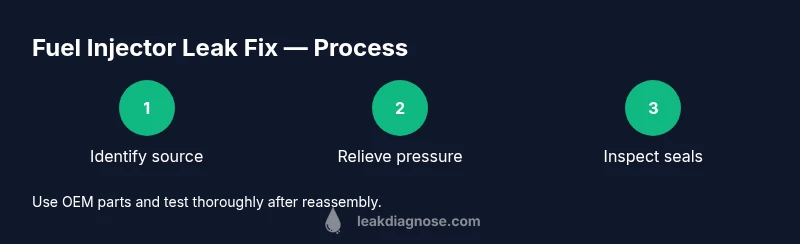
Fixing a fuel injector leak starts with confirming the source, depressurizing the system, and inspecting seals and injectors. In many cases, replacing O-rings or seals is enough; more complex leaks may require injector refurbishment or replacement. Always work in a well-ventilated area, have a fire extinguisher handy, and follow safety precautions.
What causes a fuel injector leak
A fuel injector leak happens when fuel escapes past the injector seal, O-rings, or the injector body itself. Common culprits include aged or damaged O-rings, swollen seals from exposure to ethanol blends, improper installation, or debris lodged in the injector seat. In some engines, a cracked injector body or a faulty fuel pressure regulator can also allow fuel to seep around the injector. According to Leak Diagnosis, most leaks begin at the seals or seats, making careful inspection the best first step. Understanding the exact source is essential because it determines whether you simply replace an O-ring, reseat the injector, or replace the injector assembly entirely. A precise diagnosis also helps you avoid unnecessary parts replacement and keeps your repair focused and affordable.
Safety considerations when working on the fuel system
Working on a fuel system carries fire and environmental risks. Fuel vapors can ignite from sparks or heat sources, and spilled fuel is slippery and hazardous. Always perform work in a well-ventilated area, preferably outdoors, away from ignition sources. Wear protective gloves and eye protection, and have a fire extinguisher rated for Class B fires nearby. Disconnect the battery to prevent accidental sparks when disconnecting electrical connectors, and pressure-relieve the system before touching any fuel lines. This prevents sprays and reduces the chance of fuel dripping onto hot exhaust components. Following safety best practices protects you and your vehicle while you diagnose and repair.
Diagnosing a fuel injector leak
Diagnosis starts with symptoms: a fuel odor near the engine, wet spots around the injector area, or a misfire indicated by your scanner. A fuel leak often shows as a damp injector or fuel rail, especially after the engine has warmed up. Use a flashlight to inspect the injector seals and the bottom of the injector body for leaks. A fuel pressure test can reveal a failing seal or injector that remains pressurized when it should not. Leak Diagnosis analysis shows that many leaks originate from degraded O-rings or improper seal seating, so reliable inspection of these components is a high-probability starting point. Document any signs, as this helps you decide between O-ring replacement and full injector replacement.
Before you begin: tools, parts, and workspace setup
Prepare a clean workspace with ample light and a way to safely collect drips. Gather a fuel-safe catch pan, rags, and a seal kit compatible with your engine. You’ll need a flashlight, basic hand tools, a torque wrench, a fuel pressure gauge, and possibly an injector puller. If you’re not sure which O-rings fit your injector type, consult your vehicle service manual or an engine-specific guide. Label connectors as you disconnect them to avoid mix-ups during reassembly. Planning your tool layout reduces missteps and speeds up the repair.
Step-by-step: remove the fuel rail and access injectors
With the engine cool, relieve fuel pressure and disconnect the battery. Remove necessary engine coverings to access the fuel rail. Detach electrical connectors and fuel lines to the rail, then unbolt the rail from its mounting and carefully lift it free. Check for any cracks on the rail or injector retainers, and gently wiggle injectors to verify seating. Keep track of the order of parts and take photos as you go so reassembly is straightforward. Finally, clean the injector seats and prepare a workspace for the next steps.
Step-by-step: inspect and replace seals or injectors as needed
Inspect each injector for signs of seepage around the O-rings and the injector base. If you notice dried fuel residues, replace the O-rings with high-quality, fuel-rated seals. In engines where injectors are exchangeable, you may choose to replace only the seals or opt for a complete injector replacement if corrosion or damage is evident. Replacing old seals is often sufficient and more cost-effective than swapping injectors. When installing new seals, apply a light coating of manufacturer-approved lubricant to ease seating and prevent pinching.
Step-by-step: reassemble, test fuel pressure, and look for leaks
Reinstall the injector rail, bolts, and all connectors, then torques bolts to the manufacturer’s specification. Reconnect the battery, prime the fuel pump, and use a fuel pressure gauge to confirm the system reaches the proper pressure. Start the engine and observe the injector area for any dripping or spray. A leak may appear as a fine mist or steady seep around the injector body or seat. If you detect a leak, recheck O-ring seating and ensure the rail is properly clamped. A successful test should show no active leaks and stable fuel pressure.
Post-fix testing and verification
After a successful leak fix, run the engine through a warm-up cycle and perform a basic road test to check for any residual leaks under normal operating conditions. Re-scan for codes to ensure no new fault indicators have appeared. If a new code surfaces, revisit the affected injector or related fuel system components. Document your repair milestones, including part numbers and torque values, to guide future maintenance and assist if you ever need professional help in the future.
Preventive maintenance to reduce future leaks
To minimize future injector leaks, use high-quality fuel and avoid fuel additives unless recommended by the manufacturer. Schedule periodic inspections of the fuel rail, injectors, and seals, especially if you use ethanol-blended fuels. Regularly replace O-rings with OEM-approved parts at service intervals or when you notice wear. Keep the engine bay clean to spot leaks early, and store a small fuel spill mat in your workshop. Proactive maintenance can extend injector life and prevent costly repairs.
Tools & Materials
- Safety gear (gloves and eye protection)(Chemical-resistant gloves; splash goggles)
- Safety fire extinguisher (Class B)(Keep within easy reach; never rely on wind-blown surroundings)
- Battery disconnect tool (socket/wrench)(Prevent sparks during electrical work)
- Fuel pressure gauge with Schrader valve adapter(Tests rail pressure after reassembly)
- Fuel injector O-ring kit or replacement injectors(Fuel-rated O-rings compatible with your engine)
- Torque wrench(Tighten rail bolts to spec)
- Standard and metric wrenches, screwdrivers(Access and fasten injector hardware)
- Rags, catch pan, and funnel(Control spills and keep the workspace clean)
- Engine cleaner and brushes(Clean injector areas before inspection)
- Marker or labels(Label connectors and hoses for accurate reassembly)
Steps
Estimated time: 60-120 minutes
- 1
Disconnect battery and relieve pressure
Begin by disconnecting the negative battery terminal to prevent sparks. Then relieve fuel pressure using the service port or following your vehicle’s manual. This reduces the risk of fuel spray when disconnecting lines.
Tip: Double-check that the engine is cool before starting to avoid burns from hot fuel. - 2
Locate the fuel rail and injectors
Identify the fuel rail and injector positions. Refer to your service manual to confirm which injector(s) are leaking and how they’re wired. Take photos from multiple angles to aid reassembly.
Tip: Label connectors as you disconnect to prevent miswiring during reassembly. - 3
Disconnect electrical and fuel lines
Carefully disconnect injector electrical connectors and the fuel lines leading to the rail. Place a catch pan under the rail to collect drips. Avoid pulling on lines themselves; use the proper disconnect tools where required.
Tip: Support hoses to prevent torque-sensitive fittings from snapping. - 4
Remove rail mounting hardware
Remove the rail mounting bolts and gently lift the rail away from the injectors. Do not pry against injector bodies. Inspect the seats for debris that could affect sealing.
Tip: Keep bolts organized; note their original orientation. - 5
Inspect and replace seals
Inspect O-rings and seals at the injector base and seat. Replace worn or damaged seals with OEM-spec parts. If injector bodies show corrosion, consider replacing the injector unit.
Tip: Lubricate O-rings lightly with approved lubricant before seating to prevent pinching. - 6
Clean the seats and inspect injector tips
Wipe seats with a lint-free rag and inspect injector tips for cracks or deposits. Cleaning ensures a proper seal on reseating. Do not reuse damaged injector tips.
Tip: Use a magnifier if you suspect micro-cracks; replace if uncertain. - 7
Reassemble and torque fasteners
Reinstall the rail onto the injectors, reconnect lines, and tighten mounting bolts to spec. Ensure hoses and connectors are fully seated before re-energizing the system.
Tip: Follow the torque spec; overtightening can damage threads or seals. - 8
Rebuild pressure and test
Reconnect the battery, prime the fuel pump, and test the rail pressure with the gauge. Look for leaks by observing the injector area during a brief idle. If a leak persists, re-check seals and seating.
Tip: Perform a dry run first without starting the engine to verify no obvious leaks. - 9
Start and verify leak-free operation
Start the engine and observe for any signs of seepage. If smoke or strong fuel odor appears, shut down and re-check components. Take the vehicle for a light test drive to confirm stable operation.
Tip: If you smell fuel strongly, stop and ventilate the area; do not drive until safe. - 10
Document and wrap up
Record the parts replaced, torque values, and test results. Save the service manual notes for future maintenance. If any fault codes appeared, clear them and re-scan after a road test.
Tip: Keep a repair log to simplify future diagnostics.
Questions & Answers
What are common signs of a fuel injector leak?
Common signs include a strong fuel odor, visible wetness around the injector area, poor idle or misfires, and fuel smell after starting or idling. Inspect seals and watch for dampness near injectors during engine operation.
Look for fuel smell, wet injector areas, and rough idle. Check the seals and inspect for dampness around the injectors.
Can I drive my car if I suspect a fuel injector leak?
Driving with a suspected injector leak is risky due to fire hazards and potential engine damage. If you notice strong fuel odor or leaks, stop driving, disconnect electricals safely, and arrange professional service if needed.
If you smell fuel or see leaks, don’t drive—have it inspected immediately.
Do I need special tools to fix a fuel injector leak?
Basic hand tools plus a fuel pressure gauge and OEM replacement seals are typically sufficient for many injector leaks. Some vehicles may require injector pullers or model-specific adapters.
Usually, you need standard tools, a gauge, and the right seals; check your manual for any special adapters.
How long does a typical fuel injector leak repair take?
Repair duration varies by vehicle and leak location. It can take from under an hour for simple seal replacements to several hours for injector replacements or more complex fuel system work.
It can take from a short session up to a few hours depending on the job.
Is it safe to use fuel sealant as a temporary fix?
Fuel sealants are not universally recommended and may void warranties or cause deposits in the fuel system. Use only manufacturer-approved methods and consult a professional if unsure.
Sealants aren’t usually advised; follow manufacturer guidance or ask a pro.
Should I replace all injectors if one leaks?
Replacing all injectors is generally unnecessary unless multiple injectors show wear or damage. Often, replacing just the leaking injector or its seals resolves the issue.
Usually you replace just the leaking one or its seals, not all injectors.
Watch Video
Main Points
- Identify the exact leak source before replacing parts.
- Replace worn O-rings or seals first; injector replacement is a last resort.
- Follow manufacturer torque specs to avoid damage.
- Test pressure and perform a road test to verify success.
- Prioritize safety and ventilated work environments.