Fix Exhaust Manifold Leak: A Practical DIY Guide for Cars
Learn how to diagnose and fix an exhaust manifold leak with clear, step-by-step instructions, safety tips, and the right tools. Leak Diagnosis provides practical guidance for car owners tackling exhaust leaks safely and effectively.


Goal: fix exhaust manifold leak by locating the source, then sealing or replacing the faulty gasket or cracked manifold. Required: a safe, cool engine; basic hand tools; replacement gasket or manifold; and proper sealant or hardware as specified by your vehicle. According to Leak Diagnosis, a correct, well-timed repair prevents further damage and reduces emissions.
What is an exhaust manifold leak and why it matters
Exhaust manifolds connect your engine’s cylinders to the exhaust system. A leak occurs when the gasket between the manifold and the cylinder head fails, or when the manifold develops a crack or warps from heat. Leaks allow hot exhaust gases to escape before they reach the catalytic converter, which can cause a loud ticking sound, reduced engine performance, higher fuel consumption, and elevated emissions. In severe cases, leaking exhaust can trigger a warning light or even injure nearby components. The Leak Diagnosis team emphasizes that addressing leaks early helps protect your engine and reduces the risk of carbon monoxide intrusion into the cabin. Regular inspection of manifolds and gaskets is part of proactive maintenance for any vehicle.
Diagnosing the leak: locating the source reliably
Diagnosing an exhaust manifold leak starts with pinpointing the exact source. Visually inspect the manifold and gasket surface for black soot or fresh exhaust residues, especially around flange joints. A ticking sound near cold starts or steady puffs of smoke during acceleration can indicate a leak. Use a spray bottle with soapy water along joints while the engine is running to see bubbles where air escapes, though be mindful of hot surfaces. A smoke machine or professional exhaust test can provide definitive confirmation. Document any soft spots, corrosion, or loose bolts and compare against your vehicle’s service manual torque specs. Leak Diagnosis data suggests that the most common leaks occur at the gasket interface due to improper torque or heat cycling over time.
Safety and prep before you begin
Safety first. Ensure the engine is completely cool before touching exhaust components to avoid severe burns. Work in a well-ventilated area to prevent inhalation of exhaust gases; consider running a fan in a garage. Wear eye protection and gloves, and disconnect the battery if you’ll be removing components connected to electrical wiring. Keep a container ready to catch any coolant or oil that may spill when removing nearby parts. It’s wise to have a fire extinguisher accessible in case of sparks. If you’re inexperienced with exhaust systems, consider seeking help from a knowledgeable friend or a professional.
Repair strategies: gasket reseal vs replacement
Small gasket leaks between the manifold and head can sometimes be resolved by retorquing bolts to factory specifications and using a high-temperature gasket sealant if recommended by the manufacturer. However, cracks in the manifold itself or a badly warped flange generally require replacement. If you’re choosing gasket replacement, thoroughly clean mating surfaces, inspect studs or bolts for wear, and replace any damaged hardware. Reusing an old or damaged gasket is a common failure point. For cracked manifolds, a replacement manifold is often the most reliable solution, especially on engines with aluminum components that may crack more easily under heat stress. Always use the correct torque pattern and sequence when reassembling to prevent future leaks.
Step-by-step repair overview
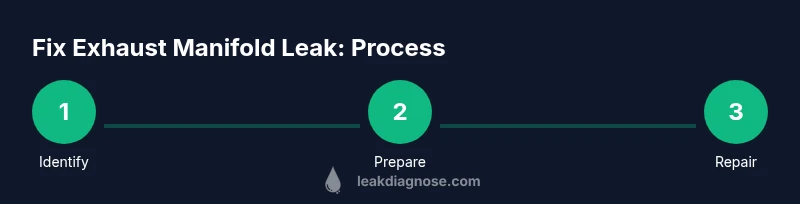
This section provides a concise outline of the repair flow. Start by safely lifting and supporting the vehicle, then expose the exhaust manifold. Remove the manifold and inspect the gasket surfaces for warping, corrosion, or damage. Replace the gasket or the entire manifold if needed, ensuring new hardware is installed with correct torque settings. Reassemble in reverse order, then perform a leak test with the engine running and check for exhaust leaks around all joints. Finally, drive a short test loop to confirm the fix and listen for abnormal sounds. If you smell fuel or hear banging noises after the repair, stop and reassess, as this may indicate a deeper issue in the exhaust system or engine.
Preventive maintenance to avoid future leaks
Although leaks can develop over time, you can reduce risk with regular maintenance. Check manifold bolts for proper torque at service intervals, especially after any timing belt or water pump work that may affect engine mounting. Keep heat shields intact to manage heat exposure and prevent moisture trapping that can corrode gasket surfaces. Use high-quality gaskets and hardware designed for your engine, and avoid using sealants not recommended by the manufacturer. Finally, address cooling system problems promptly; overheating greatly accelerates manifold and gasket wear.
Tools & Materials
- Torque wrench(Use a torque spec chart from the vehicle manual; improper torque is a common leak cause.)
- Socket set and wrenches(Metric sizes commonly used; have deep sockets for recessed bolts.)
- New exhaust manifold gasket kit(Ensure kit matches engine model and year.)
- Replacement manifold or gasket (if cracked or warped)(Opt for OEM or high-quality aftermarket parts.)
- Penetrating oil(Loosen stubborn bolts with time; avoid snapping studs.)
- Anti-seize compound(Optional for metal threads; helps future removal.)
- High-temp gasket sealant (as recommended)(Only if manufacturer allows; excessive sealant can clog downstream components.)
- Safety gear (gloves, eye protection)(Protect yourself from sharp edges and hot surfaces.)
- Jack and stands or ramps(Always secure vehicle on stable supports.)
- Oil drain pan and rags(Catch leaks and keep area clean to avoid hazards.)
Steps
Estimated time: 2-4 hours
- 1
Prepare and safety check
Cool the engine completely, then disconnect the battery to prevent any electrical mishaps. Raise and secure the vehicle for access to the exhaust components. Gather tools and new parts so you can work efficiently without trips to the tool cabinet.
Tip: Take photos of bolt layouts before disassembly to aid reassembly. - 2
Gain access to the manifold
Remove heat shields or other obstructions as needed to expose the exhaust manifold mounting area. Loosen the manifold bolts gradually, using penetrating oil if bolts resist. Keep track of bolt sizes and locations for proper reinstallation.
Tip: Loosen bolts in a crisscross pattern to avoid warping the flange. - 3
Inspect and remove the old gasket
Carefully detach the manifold and inspect the mating surfaces for warping, corrosion, or damage. Remove the old gasket and clean surfaces with a soft, lint-free cloth. Inspect bolts and studs for wear and replace if necessary.
Tip: Use a straightedge to check for flange warp before deciding on a replacement. - 4
Install the new gasket and/or manifold
Position the new gasket and reinstall the manifold with new or inspected hardware. Torque bolts to the manufacturer’s specifications in a cross pattern, starting from the center and moving outward. If replacing the manifold, mount it evenly to avoid leaks at the flange.
Tip: Do not rush torque steps; maintaining even pressure prevents leaks. - 5
Reassemble and seal as required
Reattach any heat shields, sensors, and connection points. If using gasket sealant, apply a thin, even layer only as directed by the gasket instructions. Reconnect the battery and ensure all connections are tight and properly routed.
Tip: Verify no tools or rags are left in the exhaust path before starting. - 6
Test for leaks and road test
Start the engine and listen for leaks at each joint. If you hear hissing or smell exhaust, stop and double-check the gasket seating and torque. Take a short road test to ensure there are no abnormal sounds or performance issues.
Tip: Use a written checklist to confirm each joint is sealed after the test.
Questions & Answers
What are common signs of an exhaust manifold leak?
Common signs include ticking or tapping sounds from the engine, decreased engine performance, reduced fuel efficiency, and visible exhaust soot around the manifold edges. A strong exhaust odor in the cabin can also indicate a leak.
Look for ticking sounds, reduced power, or visible exhaust residue around the manifold to spot a leak.
Can you fix a leak without removing the exhaust manifold?
Some small gasket leaks can be addressed without removing the manifold by retorquing bolts and applying a high-temperature sealant if the manufacturer allows it. However, significant cracks or warped flanges usually require removal and replacement.
Often a retorque or sealant helps small leaks, but cracks need removal and replacement.
Is a leak dangerous to health or safety?
Exhaust leaks can let carbon monoxide into the cabin in some vehicle designs, posing serious health risks. Do not run the engine in an enclosed space and ensure proper ventilation during any repair. If you smell strong exhaust fumes, stop and ventilate the area.
Exhaust leaks can be dangerous; ventilate well and avoid enclosed spaces when working on your vehicle.
How much does it cost to fix an exhaust manifold leak?
Repair costs vary widely based on whether the manifold or gasket is replaced and the vehicle model. Labor often drives the price, with parts costs following. A professional diagnosis is the best first step to estimate exact costs.
Costs depend on parts and labor; a diagnosis helps pin down the estimate.
Should I use a sealant on exhaust manifold gaskets?
Only use sealants if the gasket manufacturer specifies compatibility with your engine. In many cases, sealants are not recommended for exhaust manifolds because they can clog catalytic components or mask improper seating.
Sealants should only be used if the manual allows it; otherwise skip them to avoid downstream issues.
When is it necessary to replace the manifold rather than reusing it?
Replace the manifold when it has cracks, severe warping, or corrosion that prevents a proper seal. A cracked manifold often causes persistent leaks and poor performance, making replacement the safer long-term option.
Replace if cracked or warped; reuse is risky for serious damage.
Can retorquing fix a leak on a multi-cylinder engine?
Retorque can fix minor leaks in some engines if bolts have loosened over time, but multi-cylinder engines may require re-torquing all bolts in the correct sequence and potentially replacing gaskets if signs of wear persist.
Retorquing may help, but inspect all bolts and gaskets across the manifold.
Watch Video
Main Points
- Identify the exact leak source before disassembly.
- Use correct torque sequences and hardware.
- Replace gasket and damaged bolts as needed.
- Test for leaks after reassembly and road-test the vehicle.
- Consider professional help for structural cracks or persistent leaks.