Exhaust Leak Fix: A DIY Guide to Safe, Lasting Repairs
Learn how to diagnose and fix an exhaust leak safely with practical steps, essential tools, and maintenance tips from Leak Diagnosis. This guide covers temporary patches, durable repairs, and prevention.


To fix an exhaust leak, you’ll identify the source, secure the vehicle safely, and apply the correct repair. Start by inspecting joints, gaskets, and pipes for cracks, then temporarily seal small leaks with heat-rated sealant while you plan a replacement. For larger leaks, replace damaged sections or entire hangers and gaskets, and have the system inspected to ensure safe, lasting performance.
Understanding exhaust leaks and why they matter
An exhaust leak fix starts with understanding what goes wrong when exhaust gases escape before they reach the tailpipe. Such leaks can cause excessive noise, reduced fuel efficiency, and, most importantly, dangerous fumes entering the cabin. For drivers, a persistent ticking or hollow-sounding exhaust can signal a leak that needs attention. The exhaust leak fix process begins with a safe, thorough diagnosis: locate the exact source, assess the severity, and decide whether a temporary patch will buy time or a permanent replacement is required. According to Leak Diagnosis, proper exhaust leak fix begins with a careful inspection and a plan for durable repair. Start by visually inspecting all gasket joints, flange bolts, and sections of pipe near the engine, including the manifold connection. Listen for changes in engine idle or unusual vibrations, and consider a smoke test or soapy mist to confirm suspected seams. When you’re ready to fix, prioritize metal-to-metal seals and heat-resistant materials designed for automotive exhaust temperatures to ensure a lasting seal.
Safety first: risks and precautions
Working on an exhaust system involves hot surfaces, toxic fumes, and heavy parts. Always work in a well-ventilated area, ideally outdoors, and allow the engine and exhaust to cool before touching components. Wear eye protection, gloves, and a mask to minimize exposure to rust dust and fumes. Never over-tighten clamps or bolts; improper torque can crack flanges or cause another leak. If you suspect a gas or fuel leak, evacuate and call for professional assistance. When in doubt, let a professional perform welding or large-portion repairs. This guide focuses on safe, interim measures and durable fixes you can perform with basic tools and careful planning.
Common leak sources and how to spot them
Exhaust leaks often originate at gasket joints between the exhaust manifold and downpipe, along slip joints, or from damaged pipes near the catalytic converter. Look for soot marks around joints, rust on flanges, and loose or cracked hangers. A smoking joint when the engine is cold can indicate corrosion; a ticking sound under load might point to a loose clamp. A smoke test or soapy water spray can help confirm leaks. For the exhaust system’s more remote sections, abnormal vibrations or reduced back pressure may hint at leaks beyond the visible area. Identifying the exact source is essential for the exhaust leak fix, guiding what parts to replace and which joints require resealing.
Tools and materials you'll need
To perform an exhaust leak fix, gather essential tools and high-temperature materials. A basic socket set, wrenches, and screwdrivers let you remove clamps and bolts safely. Penetrating oil helps loosen rusted fasteners, while a wire brush clears corrosion. You’ll want heat-rated sealant for small, non-structural leaks and a proper gasket or clamp kit for permanent sealing. Have replacement gaskets and hangers on hand in case joints or mounts fail. Protect yourself with gloves, eye protection, and a mask, and keep a fire-safe area nearby for any small sparks during work. Prepping these supplies reduces the risk of missteps during the exhaust leak fix.
Step-by-step repair overview
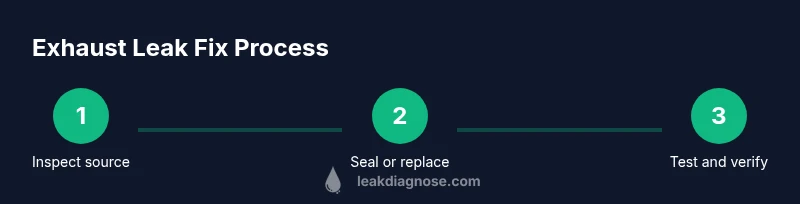
An exhaust leak fix is a disciplined process: locate the leak, select the right repair method, and test the result before returning the vehicle to service. The approach emphasizes safety, durable sealing, and correct part choices. In most cases, you’ll start at the engine side and work toward the tailpipe, checking each joint as you go. This overview helps you understand the flow and what to expect during the hands-on steps, so you can execute the repair with confidence.
Execution details
The hands-on portion of the exhaust leak fix is a sequence of precise actions performed in order. Begin by safely lifting and securing the vehicle, then perform a systematic inspection of the manifold, joints, and pipes for cracks, corrosion, and loose clamps. Replace damaged gaskets and pipes, or apply a heat-rated sealant for minor leaks as a temporary fix while planning a permanent repair. Reassemble with correct torque specifications and verify the system sits properly within its shields. After reassembly, restart the engine and listen for leaks at each joint while the system is warm. If you detect any hiss or fumes, pause and re-check the affected area.
Temporary fixes vs permanent repairs
Temporary patches can buy time if a leak is minor, but they are not a substitute for proper sealing. Avoid relying on RTV sealants for joints that experience high vibration or heat cycling; these products degrade with heat and exhaust exposure. Permanent repairs involve replacing gaskets, cracked pipes, or entire sections and re-torquing hangers to spec. In most cases, a professional should perform welding or metal replacement when corrosion is progressed or structural damage is evident. Treat temporary fixes as a bridge to a durable solution, not a final cure.
How to verify a successful fix
To verify the exhaust leak fix, perform a controlled pressure test by starting the engine and listening for air leaks at joints; use a smoke test if available. Inspect every joint with a bright light and touch for any warmth indicating residual leaks. Observe for changes in back pressure by monitoring RPM stability under load. If you still detect a leak, re-check clamps and gaskets and consider replacing any damaged sections. A final test after a drive helps ensure the fix holds under real driving conditions.
Routine maintenance to prevent future leaks
Preventive care saves time and effort by reducing the likelihood of future leaks. Regularly inspect under the vehicle for rust, corrosion, or hanging issues. Apply rust protection to vulnerable areas and replace worn clamps before they fail. Keep heat shields intact to avoid damage to nearby components. Use manufacturer-recommended exhaust parts and torques when reassembling joints. A small, proactive approach helps sustain exhaust performance and reduces the need for repeated exhaust leak fix work.
Tools & Materials
- Jack stands and wheel chocks(Essential for safe lifting; never rely on a jack alone)
- Safety glasses and gloves(Protect eyes and hands from debris and heat)
- Flashlight or work light(Good visibility in tight undercarriage areas)
- Penetrating oil(Loosens rusted fasteners (PB Blaster or equivalents))
- Socket set and wrenches(Important for bolts and clamps)
- Heat-rated sealant(Temporary seal for minor leaks; must cure before heat cycles)
- Replacement gaskets and hangers(Use OEM or equivalent rated parts)
- Wire brush or rust remover(Clean contact surfaces)
- Fire-safe rags and cleaner(Keep parts clean and wipe away debris)
- Replacement pipes or patch kit(Only if you confirm a damaged section)
- Mask or respirator(If working in dusty or poorly ventilated area)
Steps
Estimated time: 60-90 minutes
- 1
Prepare and safety
Set up workspace and confirm car is cool. Gather tools and PPE, then plan the repair route from engine to tailpipe. This reduces surprises and keeps you organized during the exhaust leak fix.
Tip: Double-check for overhead clearance before lifting. - 2
Lift and secure vehicle
Position jack under recommended jacking point and raise the car. Place jack stands and chocks for stability; never rely on the jack alone. This creates safe access to the exhaust system.
Tip: Lower slowly and confirm all stands are level before working under the car. - 3
Inspect and locate leak
Scan joints and pipes for cracks, gaps, and corrosion. Use penetrating oil to loosen fasteners and visually inspect for soot or black marks indicating leaks.
Tip: Use a flashlight to peer into tight joints. - 4
Remove damaged parts
Loosen clamps and bolts; remove damaged gasket, pipe section, or hanger as needed. Keep track of fasteners and consider replacing with OEM parts.
Tip: Label parts to avoid mistakes during reassembly. - 5
Apply sealant or replace gasket
If the leak is minor, apply heat-rated sealant to clean surfaces and allow curing time. If a gasket or pipe is damaged, replace with a compatible part.
Tip: Do not over-apply sealant; excess can flake into the exhaust flow. - 6
Reassemble and torque
Reinstall clamps and pipes; torque to manufacturer specs. Ensure joints sit flush and hangers support the weight evenly.
Tip: Use a torque wrench if possible to ensure correct specs. - 7
Test for leaks while warm
Lower vehicle, start the engine, and listen for leaks at all joints while the system is warm. If you hear a hiss, re-tighten clamps or inspect for missed damage.
Tip: Perform a quick smoke test if available. - 8
Document and monitor
Note what you replaced and set a reminder for periodic checks. Observe the area for signs of new leaks during a short drive.
Tip: Keep replacement parts and receipts for future maintenance.
Questions & Answers
Is an exhaust leak dangerous?
Yes. Exhaust leaks can allow dangerous fumes into the cabin and may cause long-term engine or catalytic damage if ignored.
Yes, exhaust leaks are dangerous and should be addressed promptly to protect you and passengers.
Can I use tape or sealant to fix an exhaust leak?
Tape or sealants may seal small, temporary leaks but they are not a durable solution for high-heat exhaust systems.
Tape fixes might work briefly, but they aren’t a lasting solution.
Do I need to replace the entire exhaust system for a leak?
Not always. Small leaks at joints or gaskets may be repaired with replacements; more extensive corrosion may require larger sections or the full system.
Sometimes only a gasket or joint needs replacement; other times a larger section is required.
What safety gear do I need?
Wear eye protection, gloves, and a mask. Work in a well-ventilated area and handle parts carefully to avoid burns and cuts.
Wear safety gear and work in fresh air to keep fumes out of your lungs.
How long does an exhaust leak fix last?
Durability depends on the repair quality and driving conditions. Replacement parts tend to last longer than temporary patches.
Durability varies; a proper replacement usually lasts longer than a patch.
Watch Video
Main Points
- Identify the leak source before repairing
- Use heat-rated materials for sealing
- Replace damaged gaskets and pipes when needed
- Test the repair with engine warm and observe for leaks
- Document parts and steps for future maintenance