Exhaust Leak Repair Near Me: DIY Guide and Safety
Learn how to locate and safely repair an exhaust leak near you, when to DIY or hire a pro, and how to choose a qualified technician.


This guide shows how to identify and safely address an exhaust leak near you. You'll learn signs of a leak, simple checks you can perform, when to seal or replace components, and how to decide between DIY fixes and professional service. Use protective gear, follow safety steps, and prioritize venting dangerous gases.
What is an exhaust leak and why it matters
An exhaust leak is any breach in the exhaust system that allows gases to escape before they reach the tailpipe. Common failure points include the exhaust manifold, pipe joints, clamps, and gaskets. Leaks can reduce engine efficiency, increase emissions, and, more importantly, expose you and others to harmful gases. If you notice a loud exhaust sound, a distinct rotten-egg smell, or visible soot around joints, you may have a leak. A careful, safety‑minded inspection is your first step, followed by a decision about DIY fixes or professional service. This article centers on exhaust leak repair near me and how to navigate local options responsibly, prioritizing safety and reliability.
Health risks tied to exhaust leaks and who’s most at risk
Exhaust leaks release carbon monoxide, nitrogen oxides, and other pollutants. In enclosed or poorly ventilated spaces, these gases can accumulate quickly, posing serious health risks. Symptoms of exposure include headaches, dizziness, nausea, or confusion. Pets and children are especially vulnerable due to higher respiration rates. Always ensure adequate ventilation when inspecting or running a vehicle indoors, and never leave an active exhaust in a closed garage. Safety first means recognizing when to stop and call a professional if you’re unsure about the leak’s location or the necessary repairs.
DIY vs professional: evaluating your options
Small fixes such as tightening clamps or replacing a faulty gasket may be within reach for a confident DIYer with basic tools. More complex leaks—especially near the manifold, catalytic converter, or along rusted sections—usually require professional diagnostics and equipment. A wrong repair can worsen emissions, create a fire hazard, or trap toxic gases inside the vehicle. If you’re uncertain about the leak source or lack reliable access to a lift, a professional exhaust leak repair near me is the safer path. The goal is a lasting seal and safe exhaust flow, not a quick patch.
How to find reputable exhaust repair near me
Start with a local search focused on automotive exhaust repair. Read customer reviews, check for factory-trained technicians, and verify warranties on parts and labor. Ask for a written estimate that itemizes parts and labor, and inquire about whether OEM or aftermarket components will be used. Confirm that the shop can perform a leak test after repair and provide a road test to verify there are no leaks under operation. Comparative quotes help ensure you’re getting value without compromising quality.
What to expect during a repair visit
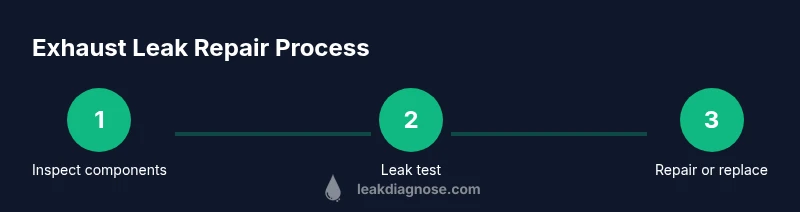
During the visit, a technician will inspect the entire exhaust path from the manifold to the tailpipe, identifying leak sources. You’ll receive a diagnosis, an explanation of recommended fixes, a parts list, and a transparent time estimate. Common fixes include replacing gaskets, clamps, or a damaged pipe; more involved repairs may require manifold work or catalytic-converter related services. A quality shop will perform a leak test after repairs and offer a warranty on the workmanship.
Maintenance and prevention tips to avoid future leaks
Regular visual inspections can catch early signs of wear, particularly after winter months or road trips that involve rough highways. Keep clamps tight, use anti-corrosion coatings on exposed metal, and replace gaskets as part of routine maintenance. Avoid short trips that cause condensation buildup, which accelerates rust in older systems. If you notice changes in exhaust tone or smell, schedule an inspection promptly to prevent further damage.
Tools & Materials
- Safety glasses(ANSI Z87.1 rated)
- Mechanics gloves(Protect hands from sharp edges)
- Car jack and jack stands(For raised-access inspection only; follow safety rules)
- Wheel chocks(Place both sides when lifting the vehicle)
- Socket set and pliers(Assorted sizes for clamps and fasteners)
- Screwdrivers (flat and Phillips)(Leverage for clamps and shields)
- Penetrating oil(Loosen stubborn rusted bolts)
- Flashlight or headlamp(Shine light into tight exhaust areas)
- Replacement gaskets and clamps(Have spares on hand if you plan DIY fixes)
- Smoke test kit or soapy water(Optional for leak verification)
Steps
Estimated time: 2-6 hours
- 1
Park and cool the vehicle
Park on a level surface in a well-ventilated area. Turn off the engine and allow the exhaust to cool completely before touching any components. Engage the parking brake and place wheel chocks for stability.
Tip: Ensure you have good lighting and a clear workspace. - 2
Inspect visible exhaust components
Check the manifold, pipes, joints, and clamps for cracks, holes, or rust. Look for black or white soot near connections which indicates a leak. Note all suspect areas for later testing.
Tip: Carry a notebook to map leak locations. - 3
Tighten loose hardware
If you find loose clamps or mounting bolts, tighten them to manufacturer torque specs if you have them. Do not overtighten; overtightening can crack flanges or warp gaskets.
Tip: Use a torque wrench if possible. - 4
Test for leaks safely
Run the engine in a ventilated area and observe suspected spots. Use a soapy water spray on joints or a safe smoke test to reveal bubbles or smoke. Do not inhale exhaust directly.
Tip: For enclosed spaces, ensure continuous ventilation. - 5
Decide on repair scope
If leaks persist after tightening, plan gasket replacement or pipe section replacement. Complex leaks near the manifold may require professional parts and tools.
Tip: If you’re unsure about the leak source, call a pro. - 6
Finalize and road-test
After repairs, re-check all connections and perform a road test to confirm the leak is sealed. Listen for changes in exhaust tone and re-check after a short drive.
Tip: Document the repair for your records.
Questions & Answers
What are common signs of an exhaust leak?
Common signs include a loud ticking or banging sound, a distinctive rotten-egg smell, visible soot around joints, and decreased engine efficiency. If you notice any of these, investigate safely and consider a professional diagnosis if the source isn’t obvious.
Look for loud exhaust noises, a sulfur-like smell, and visible soot near exhaust joints. If unsure, get a professional inspection.
Is an exhaust leak dangerous?
Yes. Exhaust leaks can expose occupants to carbon monoxide and other harmful gases, especially in enclosed spaces. Treat any suspected leak as a safety issue and ventilate the area while seeking a diagnosis.
Exhaust leaks are hazardous; always ventilate and seek a diagnosis promptly.
Can I DIY fix exhaust leaks?
Some small fixes like tightening clamps or replacing a gasket can be doable for experienced DIYers with proper tools. More complex leaks near manifolds or catalytic components usually require professional service to ensure safety and code compliance.
Simple fixes may be DIY if you’re skilled; otherwise, hire a professional for safety and compliance.
How long does a typical exhaust leak repair take?
Repair time varies by location and leak severity. Minor gasket or clamp replacements may take 1–2 hours, while manifold or pipe section repairs can require several hours and possibly a follow-up visit.
Most repairs fit within a few hours, but complex cases may take longer.
How much does exhaust leak repair cost?
Costs range based on parts, labor, and whether a full section replacement is needed. Expect variability across shops; ask for a written estimate before work begins.
Costs vary; get a written estimate before work starts.
Do I need to replace the entire exhaust system?
Not always. Many leaks are fixed with gaskets, clamps, or pipe sections. A damaged manifold or catalytic converter may require more extensive work, which a professional should assess.
Not necessarily—many leaks are fixable with gasket or clamp replacements, with more extensive parts needing a pro.
Watch Video
Main Points
- Inspect early and locate leak sources.
- Prioritize safety and proper ventilation.
- Know when to call a professional for complex leaks.
- Keep detailed records of parts and repairs.
- Test thoroughly after any fix to confirm a seal.