Can You Drive with an Oil Leak? Urgent Repair Guide
Can you drive with an oil leak? This urgent guide explains risks, safety steps, diagnostics, and a step-by-step plan from Leak Diagnosis to decide when to drive, tow, or repair.


The most common early causes of an oil leak are a loose drain plug, a worn oil filter gasket, or a damaged oil pan. Do not drive if you notice fresh oil under the car or a low oil level. Pull over safely, inspect from a safe distance, and arrange towing or repair as soon as possible.
Why Driving with an Oil Leak Is Risky
When you ask, can you drive with an oil leak, the short answer is almost always no. Oil is the lifeblood of your engine; denying it can lead to overheating, seized bearings, and costly failures. The situation is urgent because leaks can worsen quickly, especially with heat and vibration. The most common early causes include a loose drain plug, a damaged or worn oil filter gasket, or a compromised oil pan. You may notice a wet spot under the vehicle after parking, a burning oil smell, or a low oil warning on the dashboard. If you drive with a leak, you risk spreading oil onto hot exhaust components, which can ignite or cause smoke. According to Leak Diagnosis, early detection and rapid response reduce the risk of permanent engine damage and downstream costs. In practice, the decision often comes down to the leak rate and the location of the damage. If oil is actively dripping, or if the oil level is dangerously low, driving is unsafe and should be avoided. The goal is to reach a safe location and arrange professional evaluation as soon as possible. Can you drive with an oil leak is not a decision to take lightly, and urgency matters.
Immediate Safety Steps If You Suspect a Leak
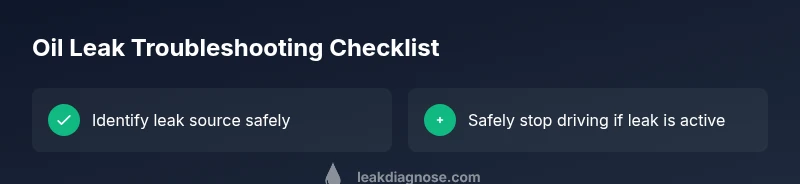
If you suspect an oil leak, your first move is to stop driving and park on a level, safe surface away from traffic. Turn off the engine and wait for it to cool before touching anything underneath. Do not stomp the accelerator or drive long distances; oil can continue to leak and burn on hot exhaust components. Check the oil level only if it’s safe to do so; a low level increases risk of engine damage. If you can safely inspect near the dipstick area and see fresh oil or see a visible streaming leak, avoid further driving. Have someone call for roadside assistance or arrange a tow. Use disposable gloves and a flashlight to assess the drain plug, oil filter, and visible hoses. Do not ignore warning lights; engine oil is critical to lubrication, cooling, and protection against metal-on-metal wear. As you plan the next steps, keep a mental note of where the leak appears and whether it changes after a short drive (which would mean the leak source is active).
How Oil Leaks Happen: Common Causes
Oil leaks are usually not mysterious; they point to a few common failure points. The most frequent source is a loose or damaged oil drain plug or gasket, which can loosen over time after routine oil changes. A worn or improperly seated oil filter gasket is another frequent culprit, especially after filter replacement. A cracked oil pan, damaged oil pan gasket, or compromised oil lines can also let oil escape. Less common but possible are leaks from valve covers or timing cover gaskets, which may appear as a slower seepage. Temperature changes and road debris can exacerbate marginal seals. Identifying the exact source requires inspection: look for fresh oil near the plug, filter, or pan; check the color and smell of the oil; and note any smoke or unusual engine noises that accompany the leak.
Diagnosing an Oil Leak: Quick Checks
Begin with safe observations: washed areas under the vehicle after parking, puddles that appear after engine cool-down, and the oil level on the dipstick. Use a flashlight to inspect the drain plug, oil filter, and visible hoses for signs of seepage. If the leak persists, opt for a dye test recommended by a mechanic to pinpoint the source. Avoid running the engine for extended periods if you see active leaks; oil sprayed onto hot surfaces can ignite. While you diagnose, keep track of any dashboard warnings, such as oil pressure alerts, which require immediate attention. If you are unsure, prioritize professional assessment—oil system failures can lead to catastrophic engine damage and unsafe driving conditions.
Long-Term Fixes: From Temporary Safe Stops to Professional Repairs
Temporary fixes are not a substitute for professional repair. If a leak is detected, do not rely on temporary stop-gap measures like watching the oil level; these are not reliable and can fail suddenly. The most common fix is replacing damaged gaskets or seals, tightening a loose drain plug, or replacing a failing oil filter. In case of a cracked oil pan or damaged lines, a professional repair is required, often involving replacement of components and proper oil system flushing. After any repair, run the engine briefly and inspect for continued seepage. A test drive at low speed should be followed by a second check under the car to ensure the area is clean and dry. Regular oil changes with proper torque on fasteners reduce future leak risk. Remember, continuing to drive with an oil leak increases the likelihood of engine damage and expensive repairs; prioritize a safe, controlled repair plan.
Prevention Tips to Avoid Future Oil Leaks
Preventing oil leaks starts with proper maintenance and informed habits. Use the correct oil grade and change interval specified by your vehicle manufacturer. Replace the drain plug gasket during every oil change, and ensure the oil filter is properly torqued and seated. Check the oil pan and gasket for corrosion or damage, and inspect hoses and seals for cracks or wear during routine maintenance. Protect hot areas from road debris and avoid aggressive driving that strains seals. If you notice spots on the ground or a pace of drips after a service, contact your technician promptly. Finally, keep a basic leak kit in the trunk: rags, a flashlight, a small funnel, and a container to catch drips during temporary work.
Steps
Estimated time: 60-90 minutes
- 1
Assess safety and stop driving
Find a safe, level place to stop if you notice any leak. Turn off the engine and let it cool to avoid burns. Do not drive if the leak is active or the oil level is critically low.
Tip: Use hazard lights and a reflective vest if it’s dark. - 2
Check oil level safely
With the engine cool, pull the dipstick, wipe it clean, reinsert, and pull out to check oil level. If the level is well below the full mark, note it and avoid driving further.
Tip: Only check if you can do so without stepping under a hot engine. - 3
Inspect potential leak sources
Visually inspect the drain plug, oil filter, and nearby hoses for fresh oil and seepage. Look for shiny oil on the ground or staining around the engine bay.
Tip: Use gloves and a flashlight to spot signs you might miss otherwise. - 4
Decide on next steps
If you can identify a loose drain plug or gasket, tighten or replace it only if safe to do so. If you see significant damage or ongoing leakage, arrange towing or roadside assistance.
Tip: Don't attempt complex repairs on the roadside. - 5
Secure the area and prepare for service
Contain any drips with absorbent material and place a container under the source if it’s safe. Note the location and time of discovery for the mechanic.
Tip: Dispose of used materials safely and clean up the area. - 6
Have a professional diagnose further
Even if you stop the immediate drip, arrange a professional inspection to confirm source and complete a repair. Oil system issues require specialized tools.
Tip: Ask for a leak-detection dye test if the source isn’t obvious. - 7
Test after repair and monitor
After a repair, start the engine and inspect again for leaks. Take a short, slow drive and recheck for seepage before resuming normal use.
Tip: Keep a log of checks and service notes for warranty or maintenance records.
Diagnosis: Oil puddle under vehicle after parking; engine oil smell; low oil level indicator
Possible Causes
- highLoose or damaged oil drain plug gasket
- mediumLeaking oil filter or gasket
- lowCracked oil pan or damaged oil lines
Fixes
- easyTighten or replace the drain plug and gasket
- easyReplace oil filter or gasket
- mediumInspect and repair oil pan or lines; test for leaks
Questions & Answers
What should I do first if I see an oil puddle under my car?
First, pull over safely and turn off the engine. Do not drive further if the leak appears active. Check the oil level only if it’s safe. Then call roadside assistance or arrange a tow.
Pull over safely, turn off the engine, and assess the leak. Do not drive further if the leak is active; arrange a tow and have the car inspected.
Can I drive a short distance to a shop if the leak seems minor?
Even a small leak can worsen quickly, potentially causing severe engine damage. If you must move, do so very slowly and only to reach a safe service location; otherwise, avoid driving.
A small leak can quickly become a big problem. If you can avoid driving, do so; otherwise move very slowly to a nearby safe shop.
What are the most common causes of oil leaks?
The most frequent causes are a loose drain plug gasket, a worn oil filter gasket, or a damaged oil pan. Less common sources include valve cover gaskets or damaged lines.
Most leaks come from a loose drain plug or bad oil filter gasket, or a damaged oil pan, with other seals occasionally involved.
Should I use a stop-leak product to fix an oil leak?
Stop-leak products are not a substitute for a proper repair and can interfere with seals or create further issues. They may provide a temporary slowdown but do not fix the underlying problem.
Stop-leak products aren’t a real fix. They can slow leaks briefly but won’t repair damaged components.
When is it necessary to tow the vehicle?
If the leak is active, the oil level is low, or there’s smoke or a burning smell, tow the vehicle. Driving in these conditions risks severe engine damage and fire.
Tow the vehicle if you see active leakage, smoke, or a burning smell. It’s not safe to drive.
What should I expect at a mechanic for an oil-leak repair?
A mechanic will locate the leak source, replace damaged gaskets or seals, and test the system. They may also perform an oil flush and refill to manufacturer specifications.
At the shop, expect leak localization, part replacement, and a test drive to confirm the fix.
Watch Video
Main Points
- Stop driving immediately if you see active oil leakage.
- Identify the source safely before attempting any fix.
- Tighten or replace simple seals; seek professional help for major leaks.
- Regular maintenance reduces future oil-leak risks.
- Document repairs and monitor oil level after service.