Water Heater Leak Fix: Step-by-Step Guide for Homeowners
Learn a safe, step-by-step approach to diagnosing and fixing common water heater leaks. Practical DIY tips, safety priorities, when to call a pro, and cost considerations.


Goal: stop a water heater leak quickly and safely by diagnosing the source, shutting off power or gas, and applying a basic fix. You’ll learn how to locate the leak, secure the cold-water supply, and perform simple repairs such as tightening fittings or replacing a drain valve. For tank-wide leaks or corrosion, call a licensed professional.
Understanding Water Heater Leaks
Water heater leaks come from a handful of common sources: loose or worn fittings, a faulty drain valve, a malfunctioning temperature-pressure (T&P) relief valve, corroded piping, or, in the worst case, a corroded tank. The source dictates the repair and the urgency. In many homes, leaks originate at connections rather than the tank itself, which means a relatively simple fix can stop the problem and reduce water waste and energy loss. According to Leak Diagnosis, quick identification and targeted fixes save homeowners time and money by avoiding unnecessary replacements. Regular visual checks around the fittings, drain valve, and bleed pipes help catch leaks early and minimize secondary damage to floors and cabinets.
For homeowners, the big takeaway is: don’t assume you must replace the entire unit for every drip. Small leaks from fittings or valves are frequently correctable with the right tools and approach. If you notice persistent moisture near the tank or visible rust and water staining, treat it as a warning sign that professional intervention may be needed. The aim is to intervene early, document the leak, and verify the repair before restoring full operation.
Safety First: Shutoff Procedures and Protective Gear
Safety is the priority when dealing with water heaters. Electric units require shutting off power at the circuit breaker servicing the unit, while gas units require turning off the gas supply at the valve near the heater. After energy is isolated, close the cold-water inlet valve to stop new water from entering the tank. Relieve pressure by opening a hot water faucet somewhere in the home. Wear protective gloves and safety glasses, and have towels or a bucket ready to manage spillover. If you smell gas, evacuate immediately and call emergency services. Once the unit is isolated, you can begin a focused inspection. If the leak persists after a basic fix, the problem may be more serious than DIY repair can safely handle. This is a good point to rely on professional support, especially for gas or electric components that require specialized safety protocols. The Leak Diagnosis team emphasizes that safety should never be compromised for the sake of a quick fix.
Common Leak Sources and How to Identify Them
Leak sources fall into a few reliable categories. Drips at the drain valve are common and often fixable with a tightened valve or replacement kit. Drips near the temperature-pressure (T&P) relief valve suggest overheating, overpressure, or valve wear and typically require valve replacement. Leaks at the inlet/outlet connections or fittings indicate a loose connection or worn washers. Tank leaks, indicated by widespread moisture and visible corrosion on the steel tank shell, usually mean the unit is compromised and may require replacement.
Leak Diagnosis notes that tank corrosion is a strong signal for professional evaluation, as attempting to fix a corroded tank can be dangerous and unstable. When inspecting, use a flashlight, dry cloths, and a towel to isolate damp areas. If you clean and reseal fittings but the moisture returns, prioritize more conservative steps (valve replacement or reseating connections) and escalate if the tank shows signs of sweating or rust. Consistent moisture near electrical components warrants extra caution.
Step-by-Step Diagnosis and Safe Fix Options
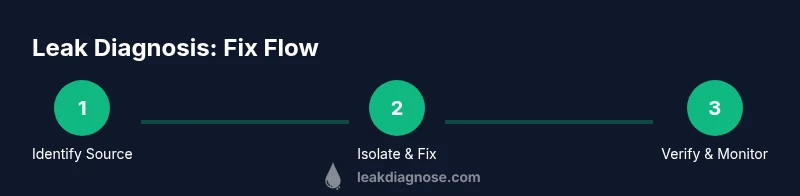
Diagnosing a water heater leak involves a methodical check of all common sources. Start by isolating the unit, then systematically inspect each potential leak point. If you discover a loose drain valve or cooled-off valve collar, you can tighten or replace it. If the T&P valve is leaking, avoid blocking the vent and replace the valve following manufacturer guidance. Tighten loose inlet and outlet connections as needed, using PTFE tape on threaded joints where appropriate. If you observe rust, pitting, or active water stains on the tank, treat the situation as a tank replacement scenario and seek professional assistance if you are not experienced with heavy-duty repairs. After any fix, slowly restore water supply and monitor for 24–48 hours to confirm the leak has stopped.
Practical note: When replacing parts, ensure you have the correct valve size and thread type. Do not use cheap, improvised patches or sealants on critical safety devices like the T&P valve. If you feel uncertain at any point, pause and call a licensed plumber. Staying patient during this diagnostic phase can prevent further damage and avoid costly mistakes.
Maintenance to Prevent Future Leaks
Prevention is more cost-efficient than reactive repairs. Schedule an annual visual inspection of the heater, drain valve operation, and T&P relief valve. Flush the tank as recommended by the manufacturer to remove mineral buildup that contributes to valve wear and corrosion. Install a leak detector or moisture sensor near the base of the unit to catch early signs of leakage, and keep the surrounding area dry and well-ventilated to minimize corrosion. Use dielectric unions on metal-to-plastic connections if your local code requires them to reduce galvanic corrosion. Regular maintenance reduces the likelihood of large leaks and extends the life of your water heater.
In addition to hardware checks, practice good habits: don’t subject the heater to frequent temperature fluctuations, replace aging fixtures promptly, and ensure proper clearance around the unit so you can observe any moisture quickly. This proactive stance reduces the chances of water damage and energy waste.
When to Call a Pro and Cost Considerations
Not every leak is a candidate for DIY fixes. If the leak originates from the tank, or if you cannot confidently shut off utilities or safely perform repairs, call a licensed plumber or the unit’s service provider. Gas and electric components require specialized safety procedures and equipment that most homeowners do not have on hand. The contractor can assess whether the heater can be repaired, or if replacement is the most economical option given the unit’s age and condition. Leak Diagnosis notes that even modest tank corrosion is often more cost-effective to replace than to repeatedly repair, especially when you factor in energy efficiency and reliability. If you’re unsure, request a written estimate and ask for the preferred approach (repair vs. replacement) before proceeding.
Throughout the process, keep records of any fixes, part replacements, and test results. These notes help you track the heater’s condition over time and provide a baseline for future maintenance decisions. The goal is to minimize risk, protect your home from water damage, and maintain safe, reliable hot water access.
Authority Sources and Further Reading
- The U.S. Department of Energy (DOE) emphasizes selecting energy-efficient water heaters and performing regular maintenance to prevent leaks and improve safety. https://www.energy.gov/eere/buildings/water-heaters
- DOE’s consumer-focused guidance on water heaters and safety practices can help homeowners manage risks effectively. https://www.energy.gov/energysaver/water-heaters
- The Occupational Safety and Health Administration (OSHA) provides general electrical and gas safety principles that apply when servicing home appliances. https://www.osha.gov
Tools & Materials
- Safety gloves(Heavy-duty, non-slip grip)
- Adjustable wrench(For drain valve and fittings)
- Bucket(At least 2 gallons to catch water)
- Teflon tape (PTFE)(For threaded fittings; apply sparingly)
- Rags or towels(Dry up spills and wipe surfaces)
- Voltage tester(Only for electric heaters; verify power off)
- Drain valve replacement kit(If the drain valve is leaking and you plan to replace)
Steps
Estimated time: 60-180 minutes
- 1
Power down and isolate the unit
Identify whether your heater is electric or gas. For electric units, switch off the circuit breaker; for gas, close the gas valve. This prevents shock, ignition, or fuel release during the repair.
Tip: Use a voltage tester to confirm power is off before touching wiring. - 2
Shut off the cold-water supply
Close the cold-water inlet valve to stop incoming water. This isolates the tank so you can work safely without flooding the area.
Tip: Have towels ready to absorb any residual water that may spill during valve work. - 3
Relieve pressure and vent
Open a hot water faucet somewhere in the house to relieve pressure and allow air into the system. This reduces the risk of a sudden spray when you release joints.
Tip: Avoid touching hot components; use a non-contact thermometer if needed to gauge surface heat. - 4
Inspect and address the drain valve
If the drain valve is the leak source, tighten the valve slowly with a wrench. If it continues to leak after tightening, replace the valve using the replacement kit.
Tip: Ensure the cold-water supply remains off while you work; replace with the unit drained if needed. - 5
Check the T&P relief valve
If the T&P valve leaks or drips, reseat the valve and test. If leaks persist, replace the valve following the manufacturer’s instructions.
Tip: Never cap or plug the T&P vent; a blocked valve can cause pressure buildup and danger. - 6
Tighten inlet/outlet connections
Look at all pipe joints at the heater. Tighten loose compression fittings and threaded connections. Use PTFE tape on threads as needed; avoid over-tightening.
Tip: Mark fittings before disassembly so you can reassemble accurately. - 7
Assess the tank condition
Inspect the tank exterior for obvious corrosion, dampness, or rust. If corrosion or pinhole leaks are evident, replacement is generally recommended rather than patching the tank.
Tip: Document with photos for reference when consulting a pro. - 8
Refill, test, and monitor
Slowly reopen the cold-water supply and restore power or gas. Run hot water to verify leaks are resolved, and monitor the area for 24–48 hours.
Tip: If you notice a recurring drip or puddle, shut off the system again and seek professional help.
Questions & Answers
What causes a water heater to leak?
Leaks typically arise from fittings, valves, or tank corrosion. Drain valve failure and T&P valve issues are common culprits. Persistent dampness near the tank should prompt further inspection.
Most leaks come from fittings or valves. If you see corrosion on the tank, consider professional help.
Can I fix a water heater leak myself?
Some leaks from fittings or valves can be fixed without a pro. Leaks from the tank or a corroded tank generally require professional service or replacement.
You can fix simple leaks, but tank issues usually need a professional.
When should I replace my water heater?
If you notice rust, visible corrosion, or recurring leaks despite fixes, replacement is often the best option. Consider cost and efficiency when deciding.
Corrosion or repeated leaks usually mean replacement is the safer, long-term choice.
Is it safe to operate a water heater after a suspected leak?
Do not operate the heater if you suspect a leak. Shut off power or gas and water, then inspect or call a pro.
Shut it down and don’t use it until it’s checked.
What safety gear should I use?
Wear gloves and eye protection, keep the area dry, and never work with wet hands on electrical components.
Gloves and eye protection are a must, and keep things dry.
When should I call a professional for a water heater leak?
If the leak originates from the tank, or you’re unsure about safety, contact a licensed plumber or the manufacturer’s service provider.
If the tank leaks or you’re unsure, call a pro.
Watch Video
Main Points
- Identify the leak source to guide repairs.
- Shut off power/gas and water before work.
- Tighten fittings or replace the drain valve for minor leaks.
- Replace the tank if corrosion is present or leaks persist.