AC Leak Repair: A DIY Guide for Homeowners
Learn how to detect, diagnose, and safely address ac leak repair challenges. This comprehensive guide covers common leak sources, DIY steps for non-refrigerant leaks, safety tips, and when to call a licensed HVAC professional.


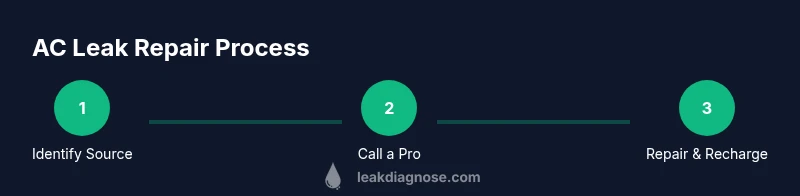
AC leak repair begins with safety: power down the unit and inspect for visible moisture or refrigerant smell. Use a leak detector to locate the source—common spots include lines, coils, and fittings. If a refrigerant leak is confirmed, contact a licensed HVAC technician for professional repair and recharge. For non-refrigerant leaks from condensate pans or drains, clean, seal, and maintain the drainage to prevent recurrence.
Understanding AC leaks and why they happen
AC leak repair is a common concern for homeowners, especially on aging systems. According to Leak Diagnosis Team, refrigerant leaks are a frequent cause of reduced cooling and higher energy bills, and they often indicate worn fittings, corroded copper lines, or compromised coil seals. Environmental and safety considerations are part of every repair decision: refrigerants can be hazardous if mishandled, and many regions require licensed technicians to service leaks and recharge the system. Early signs of an AC leak include a drop in cooling performance, frost on the evaporator coil, hissing noises from lines, and an oily residue at connections. While some leaks are minor and fixable, others may require coil replacement or full refrigerant recharge after the repair. The key is to identify the source accurately and choose a path that protects people, pets, and the environment. Leak Diagnosis analysis emphasizes that most homeowner efforts should focus on safety, documentation, and when to escalate to a professional.
Common leak locations in air conditioners
Leaks can occur in multiple places, but certain zones are more prone in typical residential setups. The evaporator coil and its connections, the copper refrigerant lines, service valves, and the condensate drain lines are the most common sources. If dye tests or electronic detectors point to the seam or solder joints, corrosion from moisture and vibration can cause slow drips over time. Ductwork in central air systems can also transport moisture, leading to condensate-related leaks that masquerade as refrigerant problems. Regular inspection during seasonal maintenance helps separate refrigerant leaks from condensate issues. Leak Diagnosis notes that distinguishing these sources early saves time and prevents unnecessary refrigerant handling.
Safety considerations and when to call a pro
Handling refrigerants requires proper training, certifications, and equipment. Never attempt to recover or recharge refrigerant if you are not a licensed HVAC technician. The risks include exposure to hazardous gases, a potential chemical burn, and legal penalties in some jurisdictions. For any suspected refrigerant leak, prioritize safety: turn off the system, ventilate the area, and avoid ignition sources. If you observe signs like a persistent chemical odor, oily residue near copper lines, or a noticeable decline in cooling, contact a licensed professional promptly. For non-refrigerant leaks (condensate drain pan issues, clogged lines), you can intervene with basic maintenance, but still exercise caution to avoid electrical hazards.
Tools and non-refrigerant DIY fixes
There are several homeowner-friendly steps that address non-refrigerant leaks and maintenance rather than refrigerant leaks. Start with basic cleaning of the condensate pan and drain line, clearing clogged lines, and ensuring the condensate pump (if present) runs smoothly. Tighten accessible fittings that show signs of moisture, and replace any damaged drain hoses. Use a digital leak detector for preliminary checks and put dye for trace testing if you are following manufacturer guidelines. Always document observations, power down the unit before work, and wear safety glasses and gloves to protect yourself from sharp edges and chemical residues. For refrigerant leaks, this section ends with a clear boundary: only a licensed technician should perform repair or recharge.
Diagnosing a leak: a homeowner's path to clarity
A structured approach helps homeowners assess leaks responsibly. Begin with visual inspection and odor cues, then use an electronic refrigerant leak detector to scan connections and joints. If the detector or dye test indicates a leak, record the location and consult a licensed pro for confirmation and safe repair. Separate non-refrigerant issues (drips, poor drainage, or frozen coils due to airflow problems) from refrigerant leaks. Document temperature and pressure readings if you have access to basic gauges, but do not perform any refrigerant recovery or recharging without proper certification. This careful triage aligns with best practices and reduces risk to your household.
Maintenance steps to prevent future leaks
Prevention starts with regular maintenance and mindful operation. Schedule seasonal inspections to catch corrosion and vibration damage early. Clean the coils and ensure proper airflow to reduce stress on joints and lines. Replace worn gaskets and seals promptly, and verify the refrigerant charge is within manufacturer specifications during professional service. Keep the outdoor unit clear of debris and ensure the condensate drain is free-flowing. For homeowners, the long-term payoff is fewer leaks, lower energy use, and a longer lifespan for your AC system.
Tools & Materials
- Digital refrigerant leak detector(Used to pinpoint refrigerant leaks at joints and lines)
- UV dye kit (for trace testing)(Opt-in tool for confirming leaks under UV illumination)
- AC manifold gauge set(For pressure readings and diagnosing refrigerant state)
- Vacuum pump(Needed if a professional service occurs (evacuation of the system))
- Safety gear (gloves, goggles, long sleeves)(Protects against sharp metal edges and chemical exposure)
- Rags, pans, and absorbent material(Contain drips and protect surfaces during inspection)
- Basic hand tools (screwdrivers, wrenches)(Used for accessible fittings and panels)
- Refrigerant recharge equipment (optional)(Only with proper certification and local regulations)
Steps
Estimated time: 60-120 minutes
- 1
Power down and secure the area
Shut off power to the thermostat and outdoor unit. Remove any standing water, clear the working area, and ensure pets and children are kept away. This first step reduces risk before you inspect for leaks.
Tip: If you smell refrigerant, leave the area and ventilate before continuing. - 2
Inspect visually for obvious leaks
Look for oily residues on lines, corrosion at joints, or broken insulation. Use a flashlight and a mirror to check hard-to-reach areas. Note any moisture or frost on the evaporator or lines.
Tip: Take clear photos of suspicious spots to show a pro later. - 3
Scan with a leak detector
Use a digital refrigerant leak detector to sweep the lines, joints, and coils. Mark any location that registers a leak signal for reference. Do not attempt to repair refrigerant leaks yourself at this stage.
Tip: Follow the detector’s calibration instructions for accurate results. - 4
Assess whether the issue is refrigerant or condensate-related
If you detect dye, oil, or persistent moisture near copper lines, suspect a refrigerant leak and stop there. If the problem appears related to the condensate drain, pan, or pump, you can address with non-refrigerant fixes.
Tip: Keep the refrigerant issue clearly separated from condensate issues in your notes. - 5
Call a licensed HVAC technician for refrigerant leaks
For refrigerant leaks, schedule a professional inspection. The tech will confirm the leak, evacuate if needed, repair the source (coil or line), and perform a safe recharge following environmental guidelines.
Tip: Ask for documentation of the repair and refrigerant type/specifications. - 6
Address non-refrigerant leaks (non-licensed work)
If the issue is condensate-related, clean the pan, clear the drain line, and ensure the condensate pump (if present) functions properly. Tighten accessible fittings, replace damaged hoses, and correct airflow issues that cause excessive condensation.
Tip: Never open refrigerant lines as a DIY fix; it’s dangerous and often illegal. - 7
Prepare for service: evacuation and recharge (professional step)
If a pro will service, ensure the system is evacuated and the refrigerant charge is addressed per spec. The tech will vacuum the system, repair the leak, and recharge to the manufacturer’s charge.
Tip: Do not attempt to evacuate or recharge without certified equipment and credentials. - 8
Test run and monitor for signs of leakage
Restore power, run the AC in cool mode, and observe performance. Check for continued signs of moisture or odors and verify that there are no new leak traces after a repair.
Tip: Keep monitoring for several days after repair; early detection helps prevent repeated issues.
Questions & Answers
Can I repair an AC refrigerant leak myself?
Refrigerant leaks require licensed HVAC professionals due to safety, environmental, and legal reasons. Non-refrigerant issues, like condensate leaks, may be addressed safely with basic maintenance provisions.
Refrigerant leaks should be handled by a licensed professional. For condensate leaks, you can do some safe maintenance steps.
What are common signs of an AC refrigerant leak?
Common signs include reduced cooling efficiency, ice formation on ducts or coils, a hissing sound near refrigerant lines, and oily residues at connections. If you notice these, stop and call a pro.
Look for reduced cooling, ice on the coil, hissing sounds, or oily residue near lines. Seek a professional if you see these.
How long does AC leak repair typically take?
Repair time varies with the leak location and system type, but refrigerant repair and recharge usually require professional scheduling and can take several hours. Non-refrigerant fixes may be quicker.
Repairs vary; refrigerant work takes longer and requires a pro, while drainage fixes can be quicker.
Will I need a refrigerant recharge after repair?
If a refrigerant leak is confirmed and repaired, a proper recharge is typically required to restore cooling performance. This must be performed by a licensed technician following environmental guidelines.
Yes, most refrigerant leaks require a professional recharge after repair.
Is it safe to run my AC if I suspect a leak?
Do not operate the system if you suspect a refrigerant leak. Turn it off, ventilate the area, and contact a professional. For condensate-related issues, you can often operate with caution while fixing the drain.
If you suspect a refrigerant leak, turn it off and call a pro. Condensate issues may be safer to monitor with guidance.
Watch Video
Main Points
- Identify whether leaks are refrigerant or condensate related.
- Refrigerant leaks require licensed HVAC professionals and proper disposal.
- Non-refrigerant leaks can be addressed with basic maintenance and drainage fixes.
- Regular maintenance helps prevent future ac leak repair needs.