Roof Leak Repair Costs: How Much Does It Cost to Fix?
Learn the true cost range for fixing a roof leak, what factors drive price, and how to get accurate estimates. Includes practical budgeting tips, scope-based breakdowns, and when to repair vs. replace.


Roof leak repair costs typically range from $300 to $1,000 for a simple fix, while more extensive repairs can fall between $1,000 and $3,000 or more. Costs depend on roof type, accessibility, and whether interior damage exists. Always obtain multiple quotes to account for scope and regional variation.
Understanding the Cost Landscape
Roof leak costs are not a fixed number; they hinge on several intertwined factors. The price tag reflects the actual scope of work, the materials selected, local labor rates, and whether the leak has caused secondary damage. For many homeowners, the first instinct is to focus on the visible leak, but the true cost picture includes attic moisture, insulation degradation, and potential drywall repair if water has intruded indoors. According to Leak Diagnosis, the price range you see is largely driven by the scope and the region where you live. If the leak is isolated to a shingle or a small flashing issue, the fix may be straightforward and inexpensive. If interior damage is present or the roof requires decking replacement, the project expands quickly. Age and roof type also matter: asphalt shingles tend to be cheaper to repair than metal or tile, which require specialized parts and installation techniques. Accessibility plays a role as well: steep pitches, multi-story houses, or roofs with tight access increase labor time and safety costs. Finally, hidden issues like rotten decking or mold can surprise even experienced contractors, which is why early inspection and a clear scope are essential to avoid overpaying and delays.
What Influences the Total Price
There isn’t a single price for roof leaks because the total is a summation of several factors. Roof type and condition are primary: asphalt shingles are usually cheaper to fix than metal, tile, or slate, which require more specialized materials and fasteners. The location and severity of the leak matter next: a small attic drip sealed with sealant is far cheaper than a leak that has saturated insulation or damaged plywood. Accessibility affects labor hours—steep pitches, multiple stories, or roofs with awkward geometry demand more safety measures and time. Permits and inspections can add to the cost in many jurisdictions, especially if structural work or cross-trade coordination is needed. Materials choices influence price as well: premium flashing, membranes, sealants, and underlayment cost more upfront but may reduce the risk of future leaks. Regional labor rates and contractor competition influence bids, as does the seasonality of demand. Don’t forget to budget for contingencies—hidden issues often arise once work begins, so many contractors build a 10–20% cushion into their estimates.
Breakdowns by Project Scope
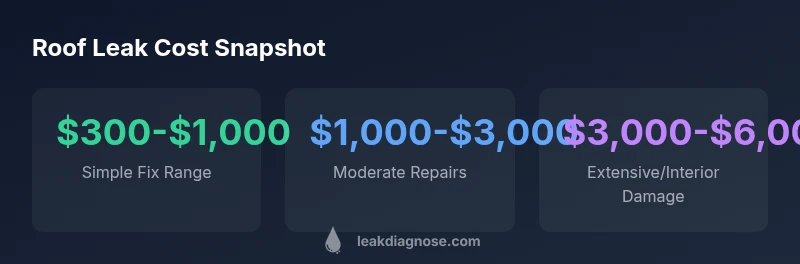
Budgeting around three typical project scopes helps homeowners plan effectively. Minor repair: sealing a small leak, replacing a few shingles, or resealing flashing. Estimated range: $300-$1,000. Moderate repair: more extensive sealing, flashing replacement, and possibly attic insulation checks. Estimated range: $1,000-$3,000. Extensive repair: rot removal, decking repair, multiple penetrations, or interior water damage requiring drywall repair or mold remediation. Estimated range: $3,000-$6,000 or more depending on extent. Note that these figures assume standard residential roofs in moderate climates; coastal or high-altitude regions can push costs higher due to labor costs and logistics. When estimating, request a breakdown that includes labor, materials, disposal, and any permit fees. If interior damage is present, separate assessments for moisture remediation and electrical or HVAC work may be needed. Always confirm whether the quote covers debris removal and site cleanup.
How to Get Accurate Estimates
Begin with a thorough inspection: photograph visible damage, note water stains, and document any damp smells in living spaces. Ask for written, itemized bids from at least three licensed contractors. Compare bids for the same scope (materials, labor, and warranties) and verify that each includes similar components. Ask about the expected lifespan of repairs and whether additional work might be required later. Clarify warranty terms for both labor and materials and whether permits or inspections are included. If interior damage exists, obtain a separate moisture remediation assessment to avoid surprises later. In some cases, a temporary fix can stop active leaks while awaiting a full repair, but understand the trade-offs and timelines.
Cost-Saving Tips and Alternatives
Smart budgeting often comes from planning and setting expectations. Schedule repairs during shoulder seasons when demand is lower, increasing the chance of favorable bids. If you’re comfortable with basic safety and the leak is minor, you may perform simple sealant work or replace a damaged shingle, but never compromise structural integrity or electrical safety. Favor durable materials with solid warranties and request a single, written warranty covering both labor and materials. Compare product lifespans and climate suitability, and consider energy efficiency improvements tied to the roof. Insurance can help if water damage is significant and covered by your policy—verify coverage, deductibles, and timelines. Regular roof maintenance, including cleaning gutters and trimming trees, lowers the probability of future leaks and costly repairs.
When to Replace vs Repair
The decision to replace rather than repair hinges on roof age, overall condition, and the expected cost of ongoing leaks. If the roof is near or beyond its expected life (a common benchmark is 20–30 years depending on material), repeated repairs may be less economical than replacement. Widespread rot, compromised decking, or multiple failed penetrations strongly indicate replacement. A new roof can improve energy efficiency, home value, and curb appeal—factors that may offset costs over time. Consider financing options and a cost-benefit analysis to determine the most economical route for your home.
Common Mistakes That Increase Costs
Avoid the most common traps: shopping solely on price without verifying scope, neglecting root causes, and ignoring interior damage that could lead to more expensive remediation later. Hiring the cheapest contractor often results in inferior materials or shorter warranties. Waiting to repair after a leak can allow hidden damage to spread, raising both material and labor costs. Finally, skipping written estimates or failing to clarify what is included (permits, clean-up, debris disposal) creates confusion and potential price escalations.
Cost breakdown by repair components
| Cost Component | Estimated Range (Low) | Estimated Range (High) | Notes |
|---|---|---|---|
| Labor (professional) | $300-$1,000 | $1,000-$2,000 | Varies by region and complexity |
| Materials (shingles, sealants) | $50-$400 | $400-$1,200 | Quality affects durability |
| Decking/structure repair | $200-$1,200 | $1,500-$4,000 | Rot or structural damage increases cost |
| Flashing/ventilation | $100-$800 | $600-$1,600 | Critical for leak prevention |
Questions & Answers
What is the typical cost range to fix a roof leak?
Costs vary by scope and roof type. Minor leaks may cost $300–$1,000, while more extensive repairs can reach $3,000–$6,000 depending on decking, flashing, and interior damage. Always obtain multiple written estimates.
Costs range from a few hundred to several thousand dollars, depending on scope and roof type.
What factors influence the price of roof leak repairs?
Roof material, leak severity, accessibility, and interior damage are key drivers. Local labor rates, permit requirements, and material quality also significantly affect the final bill.
Many things—from material choice to how easy the fix is—shape the price.
Should I repair or replace if the roof is old?
If the roof is near or past its expected life and leaks are frequent, replacement often becomes more economical than repeated repairs. A professional assessment can quantify long-term savings.
If your roof is old and leaking a lot, replacement might be the smarter choice.
Do I need permits for roof leak repairs?
Permit requirements vary by location and project scope. Simple resealing may not require a permit, but structural changes or decking replacement typically do. Check with your local building department before starting.
Permits depend on where you live and what you’re fixing.
Can insurance cover roof leak repairs?
Insurance coverage depends on the cause and policy. If water damage results from a covered peril, part of the repair may be reimbursed after claim processing. Always review your policy and speak with your insurer.
Insurance may help if the leak caused covered water damage.
“Thorough inspections and a well-defined scope help prevent surprises in roof leak repairs.”
Main Points
- Budget for scope, not just the visible leak
- Roof type and interior damage dramatically affect cost
- Obtain 3+ written estimates with identical scope
- Factor in permits, disposal, and warranties
- Plan for contingencies to cover hidden issues