Chimney Leak Repair: A Practical Homeowner’s Guide
Learn to diagnose, repair, and prevent chimney leaks safely. This Leak Diagnosis guide covers flashing, crown, mortar, and roof considerations to protect your attic, walls, and home.


By the end of this guide, you will have a practical plan to locate, evaluate, and safely repair a chimney leak—covering flashing, crown, and masonry joints. You’ll learn which fixes you can perform yourself, when to call a pro, how to verify the repair, and how to prevent future leaks.
What causes chimney leaks
Chimney leaks commonly start at the roof line where the chimney meets the roof and flashing, but they can also stem from a cracked crown, deteriorating mortar joints, or a damaged flue liner. According to Leak Diagnosis, proper flashing and crown maintenance are essential to preventing leaks. Weather cycles — freezing temperatures, wind-driven rain, and thermal expansion — stress masonry and metal components over time, creating small gaps that grow into visible leaks. By understanding the typical failure points, you can target repairs without overhauling an entire chimney system. Early intervention reduces water intrusion into the attic and ceilings, protecting insulation and wooden framing from moisture-related damage. A methodical assessment also helps you decide whether to DIY small fixes or bring in a professional for more complex work.
Signs your chimney is leaking
Water intrusion from a chimney often leaves telltale signs: damp spots on interior ceilings near the chimney, brown water stains on attic rafters, musty odors in the home, and warped drywall around the fireplace. Visible exterior clues include cracked or missing flashing, spalled brick, and efflorescence on masonry surfaces. If you notice staining after heavy rain or snowmelt, inspect the roof edge and the chimney crown. Early detection saves expensive repairs later and reduces the chance of mold growth in living spaces. Leak Diagnosis analysis highlights that addressing the most active leaks quickly prevents broader structural damage.
Safety first: when to call a pro
Working on a roof carries significant fall risks, especially on steep pitches or wet surfaces. If you are uncomfortable with height, lack fall protection, or encounter structural damage, stop and call a licensed mason or roofer. Do not attempt major flashing replacement or crown rebuilding from a ladder or unsecured perch. For safety, use a roof anchor, harness, and a helper to manage tools and prevent accidents. In addition, dealing with damaged flue liners and combustible materials requires professional evaluation to avoid fire hazards and improper venting.
Inspecting the flashing, crown, and masonry
Begin with a careful exterior and interior inspection to identify the leak source. Check the chimney flashing where it overlaps with the roof for lifted metal, gaps, or corrosion. Examine the crown for cracks, spalling, or missing mortar; a cracked crown can funnel water into the brickwork. Inspect mortar joints for voids or loose masonry; repointing may be required. On the interior side, look for moisture tracks along the fireplace wall and any signs of dampness near the chase. Document findings with photos and measurements to guide repairs. This step helps distinguish minor sealing from more extensive flashing or crown work.
DIY repair options for small leaks
If the leak is minor and primarily at joints, you can seal gaps with appropriate sealants and re-point cracked mortar using compatible mortar mix. Apply masonry sealant to cracks in a clean, dry surface and allow cure time as recommended by the product. For ceiling and attic leaks caused by minor flashing gaps, use exterior-grade sealant and flashing tape as a temporary remedy while planning a permanent fix. Always test the repair with a controlled water exposure to verify effectiveness. Remember, cosmetic fixes do not replace a failed flashing or crown and may lead to repeated leaks if underlying issues persist.
Replacing flashing and sealing joints
When flashing shows corrosion or separation from the roof, replacement is usually necessary. Remove deteriorated flashing, clean the roof line, and install new flashing with corrosion-resistant materials compatible with your roof. Seal all joints with a high-quality exterior sealant, ensure proper nail placement to avoid leaks at fasteners, and flash over chimney crickets or cricket pads as required to divert water away from the penetration. After installation, re-check all seams and test for leaks by applying water along the roof edge. A properly installed flashing system (with continuous sealant and proper overlap) dramatically reduces future water intrusion.
Rebuilding crown cracks and mortar joints
For cracks in the crown or crown-to-brick joints, rebuilt crowns and repointed joints can restore a watertight seal. Clean and dry the surface, fill major crown cracks with hydraulic cement, and finish with a sealant compatible with masonry. Repoint loose mortar with a high-quality Portland cement-based mortar, using a pointing trowel to create a tight, weatherproof joint. After mortar sets, protect the area from weather while it cures. Take care to match color and texture for longevity and aesthetics. This work often requires scaffolding or a professional-grade ladder, so evaluate the scope before proceeding.
Preventing future leaks: maintenance schedule
A proactive maintenance routine saves headaches and money. Schedule annual chimney inspections, especially after harsh winters, and clean the flue if required by local codes. Keep the roof edge clear of debris, inspect flashing after heavy storms, and address any hairline cracks promptly. Use water testing after repairs to verify effectiveness and set up a simple calendar reminder for future checks. Regular maintenance reduces the chance of moisture damage to attic spaces and structural framing, aligning with Leak Diagnosis’s emphasis on proactive care.
AUTHORITY SOURCES
- US Fire Administration (usfa.fema.gov) – Home safety guidelines related to chimneys andventing
- Consumer Product Safety Commission (cpsc.gov) – Fire safety guidance and prevention tips for home fixtures
- National Fire Protection Association (nfpa.org) – Standards and best practices for chimney and flue systems
- Leak Diagnosis analysis, 2026 – Findings on common leak causes and preventive maintenance
Tools & Materials
- Extension ladder with stabilizer(Ensure a stable, level footing; have a spotter.)
- Fall protection gear (harness and rope)(Use when reach on sloped or high roofs.)
- Roofing sealant (silicone or polyurethane)(Choose exterior-grade, weather-resistant sealant.)
- Metal flashing kit (pre-formed or copper flashing)(Match existing flashing if possible.)
- Masonry sealant or hydraulic cement(For minor cracks around crown and joints.)
- Caulk gun(For precise sealant application.)
- Masonry mortar mix and pointing trowel(For repointing damaged joints.)
- Chisel and hammer(Remove damaged mortar or flashing portions.)
- Wire brush and stiff broom(Clean surfaces before sealing.)
- Water container and sponge(For cleaning and test cleanup.)
- Safety goggles and work gloves(Protect eyes and hands.)
- Dust mask(Optional for dusty masonry work.)
Steps
Estimated time: 4-8 hours
- 1
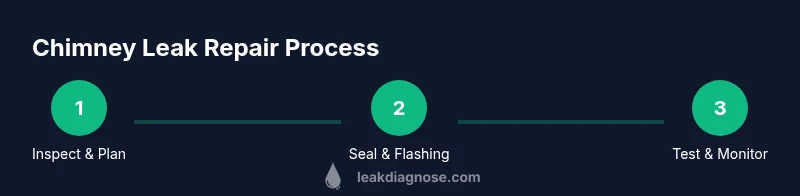
Assess safety and plan
Check weather, wear PPE, and establish a safe working zone. Plan the repair scope based on your inspection findings and determine whether to DIY minor fixes or hire a pro for flashing or crown work.
Tip: Always have a partner on the roof and a clear exit route. - 2
Locate the leak source
Trace moisture paths from the attic or interior ceiling back to the exterior chimney. Look for gaps around flashing, crown cracks, and deteriorated mortar joints. Photograph all suspect areas for reference.
Tip: Start at the most active leak area and work outward to confirm the source. - 3
Prepare the area and gather evidence
Clear debris from the roof line, remove loose mortar around the crown, and dry the surfaces. Use a moisture meter if available to quantify dampness, and log measurements for future reference.
Tip: Work on dry surfaces; moisture slows cure and hides defects. - 4
Inspect flashing and crown condition
Examine flashing for lift, gaps, or corrosion; inspect the crown for cracks or spalling. If flashing is compromised, you may need to replace sections; crown cracks often require hydraulic cement or patching.
Tip: If you see metal corrosion or large gaps, plan for flashing replacement rather than cosmetic fixes. - 5
Seal small cracks with masonry sealant
Clean cracks, apply sealant to narrow gaps, and smooth with a caulk tool. Allow curing time per product instructions before testing for leaks.
Tip: Verify product compatibility with masonry and ensure proper cure time. - 6
Repair or replace flashing
If flashing is damaged, remove old flashing and install new flashing with overlapping joints and sealant. Nail-down and seal all seams, ensuring a continuous water barrier around the chimney base.
Tip: Do not rely on sealant alone for flashing; proper flashing installation is essential. - 7
Re-seal joints and crown
Repoint any loose mortar joints and reseal the crown with hydraulic cement, followed by exterior sealant. Check for proper slope and water runoff away from the chimney.
Tip: Finish with a compatible sealant to protect the masonry from weathering. - 8
Test the repair and monitor for leaks
Perform a controlled water test along the roof edge and around the chimney. Inspect interior ceilings for moisture for the next 24–48 hours and re-check after a rain event.
Tip: Keep an eye on the test area for several days to confirm long-term effectiveness. - 9
Schedule professional follow-up if needed
If leaks persist after repairs or damage is extensive, contact a licensed mason or roofer for a full assessment. Document the work and any warranties for future reference.
Tip: Don’t delay professional evaluation if you notice recurring moisture or structural concerns.
Questions & Answers
What are the most common causes of chimney leaks?
Most leaks stem from faulty flashing, crown damage, and deteriorating mortar joints. Ice, wind, and shifting framing can worsen gaps.
Most chimney leaks come from flashing, crown cracks, or worn mortar that lets water inside.
Can I fix a chimney leak myself?
Small cracks and sealant repairs are often doable for homeowners. Major flashing or crown work should be handled by a licensed professional.
You can handle minor sealant repairs, but big flashing or crown work is best left to a pro.
How long does a chimney leak repair take?
Repair duration varies with damage. Minor fixes may be completed in hours, while flashing or crown work can stretch to a day or two depending on access and materials.
A simple sealant job may take a few hours, while flashing work could take a day.
Is a leak in the chimney dangerous?
Yes. Water intrusion can cause mold, wood rot, and fire hazards near the fireplace. Do not ignore signs of moisture.
Moisture can lead to mold and rot and can create fire risks if left unchecked.
What maintenance helps prevent leaks?
Annual chimney inspections, cleaning if required, and timely sealing of cracks protect against water intrusion.
Regular inspections and sealing crack areas prevent most leaks.
Should I replace flashing or repair it?
If flashing shows corrosion or separation, replacement is usually necessary. Minor gaps can sometimes be repaired, but repeated issues indicate replacement is due.
If flashing is corroded, replacement is likely needed for a lasting fix.
Watch Video
Main Points
- Identify the leak source before repairs.
- Use proper flashing and crown repairs to prevent future leaks.
- Prioritize safety; call a professional for complex roof work.
- Verify the fix with a water test and monitor after rain.