Repair Oil Tank Leak: Step-by-Step Homeowner Guide
Learn how to safely inspect, contain, and repair an oil tank leak in your home heating system. This Leak Diagnosis guide covers step-by-step actions, essential tools, and safety considerations for DIYers and professionals alike.


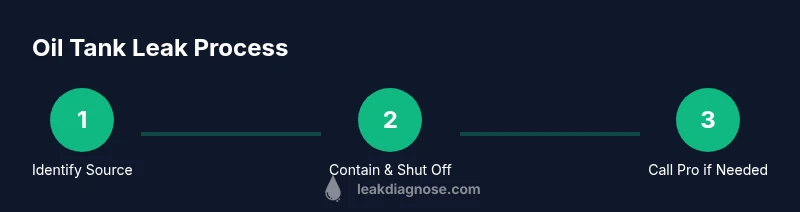
According to Leak Diagnosis, repairing an oil tank leak requires a safety-first approach, quick containment, and a clear plan for either DIY fixes or professional service. This quick guide outlines the essential steps, from identifying the leak to deciding when to call a pro, and the safety precautions that protect you and your home.
Safety first: Assess risk and know your boundaries
A home heating oil leak is a serious safety and environmental hazard. Before you touch anything, stop and evaluate the risk. Wear PPE, avoid ignition sources, and prepare a containment plan. According to Leak Diagnosis, the immediate priorities are to reduce exposure, prevent spreading oil, and preserve the structural integrity of the tank area. If you smell strong oil fumes, see active dripping, or notice a slick on concrete or soil, treat this as an urgent situation and evacuate occupants if needed. This section will guide you through risk assessment, basic containment, and when to escalate to a licensed technician. Remember: never attempt risky tasks beyond your training, and always follow local codes and manufacturer guidance for your specific tank.
Locating the leak source in a heating oil tank
Leak sources in home heating systems vary but common culprits include worn gaskets and seals, corroded tank walls, loose fittings on supply lines, and damaged hoses or vent connections. Start with a visual inspection of the tank area, looking for wet spots, staining, or a sheen that could indicate oil leakage. Use a flashlight to check hard-to-see spots like the underside of the tank and the joints where lines connect. If you detect a leak, mark the area with non-permanent chalk or tape to track progress, and document any signs of progression. Scents of oil elsewhere in the building can indicate hidden leaks in lines or the distribution system, which may require professional diagnosis. This section emphasizes careful observation, documentation, and recognizing when a leak is beyond DIY scope.
Immediate containment steps you can take safely
Containment is essential to minimize environmental impact and reduce fire risk. If it is safe to access the shut-off valve, turn off the oil supply at the main valve or the tank’s valve. Do not attempt this if you cannot reach it safely or if there are signs of structural damage that make the area unsafe. Surround the spill with oil-absorbent pads or cat litter, and place a tray or pan under the source to catch drips. Keep ignition sources away—no smoking, no open flames, and no hot work in the vicinity. After containment, ventilate the space if you can do so safely, and begin documenting the leak’s extent with notes and photos. This groundwork supports professional assessment and environmental protection efforts.
DIY vs professional repairs: where to draw the line
Some minor leaks from fittings or seals can be addressed by a confident DIYer, but many oil tank leaks involve corrosion, structural failure, or compromised line integrity that requires licensed technicians. If you notice persistent seepage after tightening fittings, escalating sounds, or new wet areas after a DIY fix, stop and call a pro. Local codes may require certified technicians for fuel oil systems, and improper repairs can create additional risk. This section outlines criteria to decide whether to proceed with DIY tasks or seek professional intervention, including the importance of accurate leak assessment and safe disposal of contaminated materials.
Tools, materials, and preparation for safe work
Before you start, gather PPE, absorbents, a containment tray, non-sparking tools if accessible, and a labeled disposal container. A well-lit workspace with good ventilation is essential. Keep a phone handy to contact your fuel supplier or a licensed heating technician if you suspect the tank is compromised. Having a clear plan reduces the chance of accidental ignition, environmental contamination, or personal injury. This section previews the toolkit and layout you’ll rely on, helping you stay organized as you work through the process.
Step-by-step repair considerations and safety plan
With major repairs, the safest path is professional service. This section discusses evaluating the leak’s severity, identifying parts that may need replacement, and ensuring you have a robust safety plan. When DIY steps are appropriate, you’ll learn how to prepare the area, isolate utilities, and verify that no fuel remains in hoses before disassembly. Emphasize safe disposal of contaminated absorbents and oil-soaked materials, and plan for post-repair testing to ensure the system is sealed and safe. The goal is to minimize risk while preserving home safety and environmental health.
Environmental cleanup, disposal, and future prevention
Oil spills demand careful cleanup and proper disposal of contaminated materials. Collect used absorbents, contaminated soil, and rags in sealed bags and follow local disposal guidelines for hazardous waste. After cleanup, inspect surrounding surfaces for residual oil and re-check the tank and line fittings for signs of renewed leakage. Preventative maintenance habits—regular inspections, replacing aging components, and addressing corrosion early—can dramatically reduce future leaks and extend the life of your heating system. This section closes with practical tips for keeping your system safe.
Tools & Materials
- Personal protective equipment (PPE) — gloves, goggles, long-sleeve clothing(Chemical-resistant gloves and eye protection recommended)
- Oil absorbent pads or cat litter(Use to contain and absorb spills on concrete or soil)
- Non-sparking tools or manual shut-off key(Only if safely reachable; avoid sparks near fuel oil)
- Container or tray to collect waste oil(For temporary collection and disposal labeling)
- Disposable plastic bags or leak containment bags(Double-bag contaminated waste for disposal)
- Flashlight or headlamp(Illumination in dim basements or crawl spaces)
Steps
Estimated time: 60-120 minutes
- 1
Identify leak source
Visually inspect the tank area, joints, fittings, hoses, and the surrounding floor for dampness, staining, or an oil sheen. Document signs with photos and notes. If you locate a leaks source but cannot access it safely, do not push beyond your limits; call a professional.
Tip: Mark the leak area with tape to monitor any spread over time. - 2
Shut off the oil supply safely
If you can reach a clearly labeled shut-off valve, close it slowly to stop further flow. Do not attempt this if the valve is corroded, hot, or surrounded by oil pools that create a slip hazard. Always prioritize personal safety over stopping a leak quickly.
Tip: Do not operate valves with oily hands; use a dry cloth to grip and a glove to protect your hand. - 3
Contain the spill
Place absorbents around the source and underneath drips to limit spread and facilitate cleanup. Keep ignition sources away. Collect recovered oil in a labeled container for proper disposal. Do not mix used oil with other chemicals.
Tip: Work from the spill edge inward to avoid spreading the slick. - 4
Assess repair options
If the leak is from a simple gasket or fitting, you may be able to secure a temporary fix while arranging professional service. For any signs of tank wall corrosion, severe denting, or compromised structural integrity, plan for professional assessment and replacement.
Tip: Temporary DIY fixes are not a substitute for professional repairs when safety is in question. - 5
Proceed with repair or call a pro
If you are unsure about the repair scope, contact a licensed fuel-oil technician. Provide photos, location, and observed symptoms to aid assessment. Keep a safe distance until a professional arrives.
Tip: Document the incident for insurance or supplier records. - 6
Test, clean, and plan next steps
After any repair or professional visit, recheck for signs of leakage and test the system per manufacturer guidance. Clean the area, dispose of oily waste properly, and schedule a follow-up inspection to ensure longevity and safety.
Tip: Keep a maintenance log with dates and findings for future reference.
Questions & Answers
Can I fix an oil tank leak myself?
Minor leaks from fittings may be addressed by a knowledgeable homeowner, but major leaks or corrosion require a licensed technician. Never perform risky welding or structural repairs without training.
DIY fixes are only for simple, non-critical issues. For leaks or corrosion, contact a licensed technician.
What are common signs of an oil tank leak?
Look for oil odors, wet spots, staining, or a sheen on concrete or soil near the tank. You may also notice increased fuel consumption or a sudden drop in heating efficiency.
Watch for strong oil smells and wet areas near the tank; these are common signs of a leak.
Is it safe to use oil-absorbent material to mop up a spill?
Yes, absorbents are appropriate for immediate containment, but do not rely on them as a repair. Collect and dispose of contaminated material following local regulations.
Absorbents help, but don’t treat them as a fix. Dispose of oil-soaked material properly.
What maintenance helps prevent future leaks?
Schedule regular inspections of the tank, fittings, and hoses. Replace aging components before failure and check for signs of corrosion or wear.
Routine inspections and timely replacements can prevent leaks from happening.
Who should I contact if I suspect a leak?
Contact a licensed heating technician or fuel oil professional, and notify your fuel supplier if needed. If there is a large spill, contact local environmental or fire authorities per local regulations.
Call a licensed heating tech and your fuel supplier if you suspect a leak.
How long does a typical leak repair take?
Timeline varies with leak severity and replacement parts. A minor fix might be resolved in a few hours, while extensive tank work may require scheduling replacement.
Repair time depends on how big the leak is and whether parts need ordering.
Watch Video
Main Points
- Contain spills quickly to minimize environmental harm
- Know your shut-off points and safe handling practices
- Decide DIY vs professional support based on leak severity
- Document the incident for records and follow-up
- Plan for regular maintenance to prevent future leaks