Leaky bowel after hemorrhoidectomy: risks, signs, and care
Explore whether you can get a leaky bowel after hemorrhoidectomy, common causes, signs to watch for, and practical steps to support recovery and continence. Follow-up tips included.


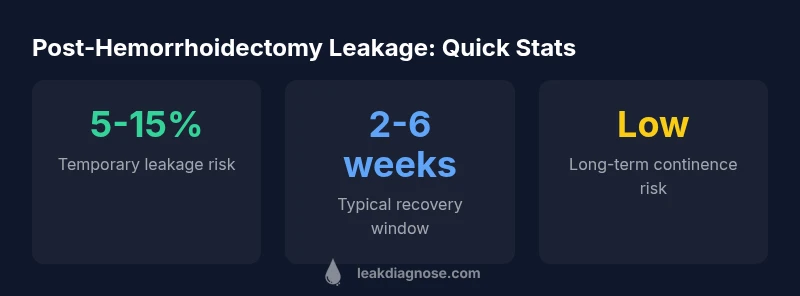
Yes, leakage can occur after hemorrhoidectomy, but it is usually temporary. Many patients notice minor seepage during healing, especially with hard stools or pain limiting control. Chronic incontinence after this surgery is uncommon. If leakage persists beyond a few weeks or is accompanied by fever, worsening pain, or bleeding, contact your surgeon promptly.
Can you get a leaky bowel after hemorrhoidectomy? Understanding the risk
The short answer is nuanced: can you get a leaky bowel after a hemorrhoidectomy? In many cases, minor leakage or seepage can occur as the anal tissues heal, especially if stool is hard, the sphincter is swollen, or pain limits a person’s ability to control sudden urges. However, sustained incontinence after this surgery is uncommon, and most patients regain normal control with supportive care and time. This topic often causes concern during recovery, but understanding the biology behind healing, the role of stool consistency, and practical steps can reduce anxiety and improve outcomes. According to Leak Diagnosis, postoperative bowel changes are among the most frequent questions we see, and they typically improve as healing progresses, assuming no infection or technical complications occurred.
Anatomy and physiology behind postoperative bowel control
Hemorrhoidectomy involves the anal canal area, where the internal and external sphincters regulate stool leakage. After surgery, swelling, tenderness, and temporary nerve irritation can alter sensation and reflexes that help you hold stool. The pelvic floor muscles and nearby nerves support coordination during bowel movements. In the early healing phase, variations in stool consistency and urge control can translate into temporary leakage or seepage. Most people experience rapid improvement as pain diminishes, swelling recedes, and healing progresses. Understanding this physiology helps set realistic expectations and informs practical steps for recovery. Leak Diagnosis emphasizes that while some patients notice changes, long-term loss of bowel control remains uncommon with proper care.
Common patterns and what counts as leakage
Postoperative leakage is often intermittent and related to stool consistency, urgency, or improper positioning on the toilet. You might notice small amounts of stool or mucus on or after a bowel movement, especially if you strain or push to pass a difficult stool. Gas leakage can also occur if the anal canal is tender. Distinguishing between true incontinence and transient leakage is critical, and most patterns resolve with hydration, fiber, and gentler bowel habits. If you observe persistent seepage, a sudden increase in leakage, or associated fever or severe pain, seek medical guidance promptly. This distinction matters for avoiding skin irritation and infection and for planning rehab approaches if needed.
Practical steps to reduce risk and manage symptoms
- Boost dietary fiber with fruits, vegetables, and whole grains to soften stool; pair with adequate fluids.
- Use stool softeners or laxatives only if prescribed by your clinician to avoid over-correction.
- Maintain a regular toilet schedule and avoid delaying urge, which can harden stool and strain the area.
- Practice gentle toilet positioning and avoid aggressive pushing; consider a warm sitz bath after bowel movements to reduce pain and tension.
- Protect the skin around the anal area with barrier creams or ointments to prevent irritation from leakage.
- Engage in pelvic floor and core-facing exercises as advised by your surgeon or physical therapist to support continence.
- Keep follow-up appointments for wound checks and symptom review; adjust care as healing progresses.
When to seek medical care
Contact your surgeon or a colorectal specialist if leakage persists beyond several weeks, worsens, or is accompanied by fever, increasing pain, significant bleeding, or any new neurological symptoms. Early evaluation helps rule out infection, suture issues, or other complications. If you have preexisting continence concerns, discuss a tailored plan for monitoring and rehab during post-op recovery.
Recovery timeline and expected outcomes
Most patients see steady improvement in continence as the surgical site heals over the first few weeks to a couple of months. The majority report a return to baseline bowel habits within 4-8 weeks, though individual recovery can vary with pain level, stool consistency, and adherence to care instructions. Ongoing symptoms beyond 2-3 months warrant a professional assessment to exclude other causes and to explore targeted therapies such as pelvic floor retraining or medications if indicated.
Overview of leakage patterns after hemorrhoidectomy
| Aspect | Typical timing | Management tips |
|---|---|---|
| Temporary leakage after hemorrhoidectomy | Days to weeks | Maintain stool softness, avoid straining |
| Persistent leakage beyond weeks | Weeks to months | Medical review; follow surgeon's instructions |
| Incontinence risk factors | Chronic scenarios | Discuss with clinician; rehab plan if needed |
Questions & Answers
Can hemorrhoidectomy cause fecal incontinence?
Temporary incontinence can occur after surgery due to healing tissue and swelling, but long-term incontinence is uncommon. Recovery often depends on individual factors and adherence to care plans.
Temporary incontinence can happen after hemorrhoidectomy, but most people recover with time and proper care.
How long does leakage last after hemorrhoidectomy?
Leakage typically improves within weeks as healing progresses. If it persists beyond a few weeks or worsens, contact your clinician for evaluation.
Leakage usually improves in weeks; if it continues, see your doctor.
What should I do if I experience leakage after surgery?
Prioritize stool softness, stay hydrated, and avoid constipation. Keep the area clean and seek medical advice if symptoms persist or worsen.
Focus on stool softness, hydration, and hygiene; consult your doctor if symptoms continue.
Is leakage after hemorrhoidectomy dangerous?
Not usually dangerous, but persistent leakage can irritate skin and raise infection risk. Get evaluated if you notice new or severe symptoms.
It's usually not dangerous, but persistent leakage needs medical review.
Will a hemorrhoidectomy cause long-term bowel control issues?
Most patients regain normal bowel control; lasting problems are uncommon and can often be addressed with targeted therapies.
Most people recover bowel control; long-term issues are rare.
Can I exercise after hemorrhoidectomy?
Light activity is usually encouraged after healing begins, while avoiding heavy lifting. Follow your surgeon’s guidance for when to resume workouts.
Start with light activity as advised; avoid heavy lifting until cleared.
“Postoperative bowel changes are common during healing, but most patients regain normal continence with proper care and timely medical guidance.”
Main Points
- Leakage after hemorrhoidectomy is usually temporary
- Stool softness and gentle bowel habits aid healing
- Seek medical advice if symptoms persist or worsen
- Follow-up care supports continence recovery