Do Hemorrhoids Cause Poop Leakage? A Practical Guide
Explore whether hemorrhoids cause poop leakage, including symptoms, when to seek care, and practical steps to manage leakage safely and reduce skin irritation. Learn evidence-based tips from Leak Diagnosis for immediate relief and long-term prevention.


Leakage that feels tied to hemorrhoids often stems from anal sphincter irritation and mild incontinence linked to straining. Quick fixes include gentle cleaning after bowel movements, using protective pads, and practicing quick pelvic floor exercises to strengthen the muscles around the anus. If leakage persists or is accompanied by bleeding, seek medical evaluation promptly.
Do hemorrhoids make you leak poop? A practical reality
Do hemorrhoids make you leak poop? The short answer is: sometimes, but the full story is more nuanced. According to Leak Diagnosis, many cases involve a combination of anal sphincter irritation, mucus from inflamed tissue, and mild pelvic-floor weakness that together permit small amounts of leakage, especially after bowel movements, coughing, or lifting. This is not a universal symptom of hemorrhoids, but it is a real concern for people dealing with chronic straining. Understanding the distinction between hemorrhoidal irritation and muscle control will help you choose the right steps. Throughout this guide, we’ll separate common myths from practical actions, and we’ll map a path from at-home care to professional evaluation if leakage continues. The goal is to reduce skin irritation, improve comfort, and restore confidence in daily activities.
Anatomy and physiology: what leakage really means
Leakage around the anal area can originate from several structures. The anal sphincter controls the opening and closing of the anus, and it can be temporarily inflamed or weakened by childbirth, aging, or repeated straining. Hemorrhoids are vascular cushions that can become irritated; they may cause itching, pain, or bleeding, but leakage typically involves the surrounding muscles or mucus production rather than the hemorrhoids alone. In some people, a combination—sphincter irritation with hemorrhoidal itching—feeds a cycle of leakage and further irritation. Recognizing these mechanisms helps you target remedies that address the root cause, not just the symptom.
Distinguishing hemorrhoid leakage from other causes
Not all leakage is caused by hemorrhoids. Common alternatives include fecal incontinence due to sphincter weakness, infections, inflammatory bowel conditions, or nerve-related issues. Mucus from irritated anorectal tissue can resemble leakage and may accompany itching. Simple changes—such as adjusting fiber intake, hydration, and toilet timing—can reduce leakage, while persistent symptoms require professional assessment to rule out more serious conditions. Keeping a brief symptom diary (appearance, timing, triggers) can aid doctors in distinguishing hemorrhoid-related leakage from other etiologies.
When to see a doctor and what to expect
If leakage is persistent, worsens, or is accompanied by bright red blood, fever, severe pain, or unintended weight loss, seek medical help promptly. A clinician will typically start with a history and physical exam, including a digital rectal exam, to assess the sphincter tone and identify hemorrhoids or fissures. Depending on the findings, additional tests such as anorectal manometry, endoanal ultrasound, or colonoscopy may be recommended. Early evaluation improves outcomes and helps tailor a plan that may include lifestyle changes, medications, or procedures.
Self-checks you can do at home
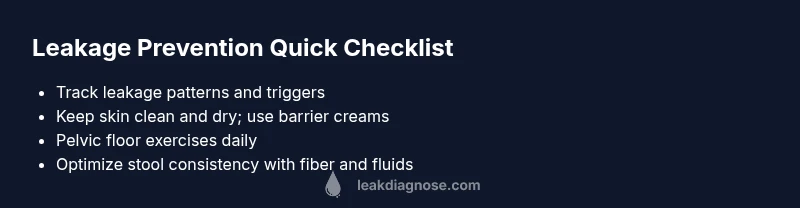
- Track patterns: note when leakage happens, stool consistency, and triggers like caffeine, dairy, or late meals.
- Assess hygiene: use gentle wipes and pat dry to minimize irritation; avoid harsh soaps.
- Test pelvic floor strength: perform calm, controlled squeezes for 5–10 seconds, rest, and repeat. If you can’t contract or you leak during the test, this is a signal to seek guidance from a clinician.
- Optimize bowel habits: aim for regular, soft stools with adequate fiber and fluids, reducing straining that can damage the sphincter.
Safe home-management strategies to reduce irritation
Keeping the skin clean and dry is essential. Use barrier creams or ointments recommended by a clinician to protect skin from moisture and irritation. Wear breathable, moisture-wicking underwear and consider absorbent pads designed for light incontinence to manage leaks discreetly. Regular, gentle hygiene after bowel movements and thorough drying help prevent dermatitis. Avoid irritants and scented products that can worsen itching or inflammation.
What to know about treatments and therapies
Treatment hinges on the underlying cause. For hemorrhoids, treatments range from lifestyle changes and topical remedies to procedures like rubber band ligation or sclerotherapy if symptoms persist. If sphincter weakness is identified, pelvic floor therapy (Kegels) and biofeedback are common first-line approaches. In some cases, medications to regulate stool consistency or address related conditions (diarrhea or constipation) may be advised. Always follow a clinician’s plan rather than self-treating.
Prevention tips for ongoing health and comfort
Preventing leakage involves a combination of fiber-rich diet, adequate hydration, regular physical activity, and healthy bathroom habits. Avoid prolonged sitting on the toilet, fight constipation with a steady routine, and monitor medications that may affect stool consistency. Regular follow-ups with your healthcare provider help track progress and adjust plans as needed. Small, consistent changes can greatly reduce leakage and improve quality of life.
Steps
Estimated time: 60-90 minutes
- 1
Assess and clean safely
Gently cleanse the area after bowel movements with warm water or mild wipes. Pat dry carefully to avoid rubbing the skin, which can worsen irritation. Use a barrier cream if recommended by your clinician to protect skin.
Tip: Avoid scented products that can irritate delicate skin. - 2
Place protective barriers
Use absorbent pads or disposable underwear designed for light leakage. Change products promptly to prevent moisture buildup and skin irritation. Choose products labeled for sensitive skin and fragrance-free options.
Tip: Keep a small stash handy in the bathroom and a travel kit for outings. - 3
Engage pelvic floor exercises
Practice controlled pelvic squeezes (Kegels) for 5–10 seconds, rest, and repeat for several sets daily. Focus on slow, steady contractions and relaxing fully between reps. This helps improve sphincter control over time.
Tip: If you can’t feel a contraction, consult a clinician about guided therapy. - 4
Review diet and bowel habits
Increase fiber gradually, stay well hydrated, and establish a regular bowel routine to minimize urgency and straining. Avoid large meals and caffeine close to bedtime if they trigger symptoms.
Tip: Consider a stool diary to identify foods that worsen leakage. - 5
Schedule medical evaluation
Book an appointment with a clinician for a focused exam of the anorectal area and discussion of your leakage pattern. Bring a symptom diary and any questions you have about treatments.
Tip: List triggers, bowel habits, and past treatments to share with your clinician. - 6
Know when to seek urgent care
Seek urgent care if you experience heavy bleeding, severe pain, fever, or a sudden loss of bowel control. These could indicate a more serious issue requiring immediate attention.
Tip: If in doubt, err on the side of professional evaluation.
Diagnosis: Experiencing leakage of stool or mucus from the anus, especially after bowel movements or with coughing/straining
Possible Causes
- highAnal sphincter weakness or damage from childbirth, surgery, or aging
- mediumChronic diarrhea or stool urgency increasing leakage risk
- lowSevere internal hemorrhoids causing mucus and stool leakage
Fixes
- easyConsult a clinician for a thorough evaluation including physical exam and possibly anorectal manometry or imaging
- easyStart pelvic floor exercises (Kegels) and timed bathroom strategies to reduce leakage
- easyUse moisture barriers and absorbent products to protect skin and manage leakage while addressing the underlying cause
Questions & Answers
Do hemorrhoids cause fecal incontinence?
Hemorrhoids can cause irritation and mucus leakage, but true fecal incontinence often involves sphincter or nerve issues. A clinician can help determine the cause and appropriate treatment.
Hemorrhoids may irritate the area and cause mucus leakage, but true incontinence often needs a clinician to assess sphincter or nerve factors.
How is leakage from hemorrhoids diagnosed?
Diagnosis starts with history and a physical exam, focusing on sphincter tone and hemorrhoid severity. In some cases, tests like anorectal manometry or imaging may be recommended.
A doctor will review your symptoms and examine you; sometimes additional tests are used to check sphincter function.
What home remedies help with leakage?
Dietary changes, proper hygiene, and barrier protection can help manage leakage. They do not replace medical care if symptoms persist or worsen.
High-fiber diet, good hygiene, and barrier creams can help, but persistent symptoms need a clinician.
When should I seek urgent care?
Seek urgent care for heavy bleeding, severe pain, fever, or a sudden loss of bowel control.
Call or visit urgent care if you have heavy bleeding or a sudden loss of control with severe symptoms.
Can hemorrhoids be treated to stop leakage?
Yes. Treatments range from lifestyle changes and topical therapies to procedures for hemorrhoids and targeted therapies for sphincter function, depending on the diagnosis.
Many people improve with lifestyle changes, medicines, or procedures—your doctor will tailor the plan.
Does pregnancy affect hemorrhoids and leakage?
Pregnancy can worsen hemorrhoids due to hormonal changes and pressure, which may increase leakage risk. Discuss safe management with a healthcare provider.
Pregnancy can raise hemorrhoid symptoms; speak with your clinician about safe strategies during this time.
Watch Video
Main Points
- Seek professional evaluation when leakage persists.
- Pelvic floor exercises can improve sphincter control.
- Fiber, hydration, and gentle hygiene reduce irritation.
- Use barrier products to protect skin and manage moisture.