Underground Water Leak Detection Near Me: A Practical Guide
Learn practical, non-invasive strategies to detect underground water leaks near you, from DIY checks to professional pinpointing, with safety-focused guidance and cost-aware planning.


For underground water leak detection near me, follow these steps: 1) look for sudden water meter activity when no fixtures are running, 2) inspect outdoor plumbing lines, irrigation zones, and sprinkler heads for damp soil, 3) use a moisture meter to spot subsurface wetness, 4) check slab and wall areas for dampness or sounds, 5) call a licensed leak-detection professional for precise pinpointing.
Why underground water leak detection near me matters
Underground water leaks pose a hidden risk to homes and landscapes. They can waste water, raise utility bills, and, over time, cause soil settlement, foundation damage, or mold growth when damp conditions persist in walls or crawl spaces. For homeowners, identifying these leaks early reduces repair stress and protects property value. When you search for underground water leak detection near me, you’re seeking specialists who can locate concealed leaks without unnecessary disruption. This guide explains the process, typical approaches, and what to expect from a professional assessment, while highlighting practical steps you can start today.
How underground leaks differ from surface leaks
Surface leaks are often easy to spot: dripping faucets, wet patches on the ground, or visibly damaged piping. Underground leaks, by contrast, hide beneath soil, slabs, or landscaping. Signs include unusually damp soil, lush but irregular patches, and unexpected groundwater seepage near foundations. Because they’re concealed, these leaks can go undetected for long periods, wasting water and risking structural damage. Detecting them requires careful observation, measurement, and methodical testing, especially in dense urban areas where utilities complicate access.
Understanding detection technologies used for subterranean leaks
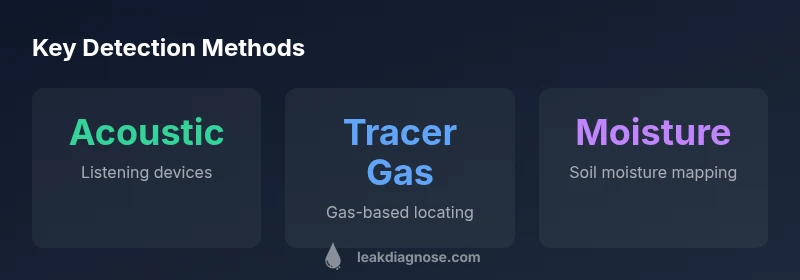
Modern underground leak detection relies on a mix of noninvasive and targeted approaches. Acoustic listening devices sense the sound of escaping water through soil and concrete, while tracer gas helps trace a leak’s path through soil pores. Ground-penetrating radar maps subsurface features to identify anomalies, and thermal imaging highlights moisture differences that indicate leaks. Pressure testing can reveal leaks during isolated system checks. A professional team often combines several methods to improve confidence and minimize excavation.
DIY checks you can perform safely
Homeowners can begin with noninvasive steps that don’t require heavy equipment. Start by monitoring your water meter: if it runs at odd times, a leak is likely. Inspect exterior hose bibs, irrigation zones, and sprinkler lines for damp soil or wet spots. Look for foundation dampness, damp basement walls, or a soggy crawl space. Keep a log of weather, irrigation schedules, and any changes in water usage. Remember: avoid unapproved digging near buried utilities. If signs persist, contact a licensed professional to prevent accidental damage.
Step-by-step guide to locate a buried leak
- Confirm abnormal water use by comparing meter readings over time. 2) Create a rough map of known lines (pipes, irrigation, and utilities) on your property. 3) Test exterior lines and valves with the system off to see if the meter activity stops. 4) Use noninvasive tools (moisture meters, infrared imaging) to identify high-moisture zones. 5) If noninvasive tests point to a location, coordinate professional pinpointing and non-destructive excavation strategies. 6) Document findings and plan for repair with a licensed contractor.
When excavation is necessary: planning and safety
Some buried leaks require excavation to access the pipe. Before breaking ground, call your local utility locators (811 in many regions) to identify buried lines and avoid damaging them. Professionals may use trenchless repair methods when feasible to minimize disruption. Clear a work area, protect landscaping, and follow local safety regulations. If you must dig, ensure permits and utilities are properly addressed to reduce risk to people and property.
Common signs that signal an underground leak in your yard or slab
Watch for consistently damp soil without rain, unusually green patches, foundation cracks, or musty odors in crawl spaces. A rising water bill without increased usage is another red flag. Subtle changes in landscaping, such as sinking ground or new mounds of soil, can indicate subsurface movement around a pipe. Keeping an eye on these indicators helps you decide when to seek professional help.
Minimizing damage and preventing future leaks
After locating a leak, prioritize rapid, safe shut-off of the affected line. Repair options include patching, pipe replacement, or trenchless solutions depending on location and pipe material. Ask your contractor about corrosion-resistant materials and proper venting to prevent future issues. Finally, consider routine maintenance: pressure checks, leak-detection devices, and smart meters to catch leaks early.
How the Leak Diagnosis team helps with underground leak detection near me
The Leak Diagnosis team combines noninvasive testing with precise pinpointing to minimize disruption and maximize accuracy. We emphasize safety, cost-awareness, and clear communication throughout the process, from initial assessment to repair planning. Our guidance helps homeowners understand options and avoid costly mistakes.
Comparison of underground leak detection methods
| Technique | What it detects | Typical scenario |
|---|---|---|
| Acoustic listening | Buried pipes, pressure changes | Water mains and residential lines |
| Tracer gas testing | Subsurface leaks in soil | Hard-to-access sections |
| Thermal imaging | Moisture anomalies | Foundation walls and slabs |
| Pressure testing | Pressure drops indicating leaks | Before excavation planning |
Questions & Answers
What is underground water leak detection near me?
Underground water leak detection near me refers to locating concealed leaks in buried pipes or lines beneath soil or slabs. Techniques combine noninvasive testing with targeted excavation to minimize disruption. Professionals use specialized equipment to pinpoint the leak's location before repair.
Underground leak detection means finding buried leaks using noninvasive tests, then precise pinpointing by professionals.
How long does it take to locate a buried leak?
Timing varies with access and soil conditions. Noninvasive tests may reveal the leak within hours, while other cases require a day or two of investigations.
It depends, but noninvasive tests often take just a few hours.
Can I detect underground leaks without digging?
Yes, many cases start with noninvasive methods like acoustics, tracer gas, and moisture sensing. Excavation is avoided unless necessary.
Yes, you can often detect without digging, using specialized tools.
What factors affect detection accuracy?
Soil type, pipe material, water pressure, background noise, and access to the line all influence results. A professional setup improves reliability.
Soil, pipe type, and noise matter; professionals often yield better accuracy.
What should I do if a leak is found underground?
Shut off the water if safe, document the location, and contact a licensed leak-detection technician for repair planning.
If you find a leak, reduce water and call a pro.
How much does professional underground leak detection cost?
Costs vary by region, access, and methods. Many projects fall within a broad range and are influenced by necessary excavation.
Costs depend on access and methods; expect variability.
“Underground leaks are invisible until they’re costly to fix. A structured detection plan combines noninvasive tests with targeted excavation to minimize damage.”
Main Points
- Start with noninvasive checks before digging
- Combine multiple methods for higher accuracy
- Map utilities to prevent damage during excavation
- Document signs and communicate clearly with pros
- Prioritize prevention after repairs