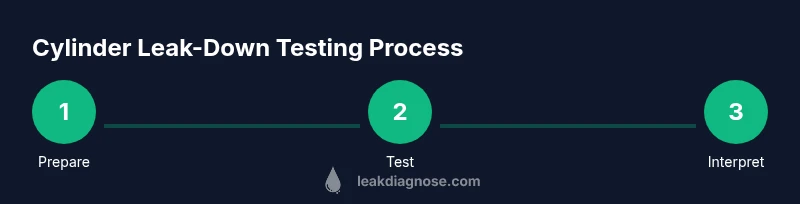
How to Use a Cylinder Leak-Down Tester
Learn to safely diagnose engine compression leaks with a cylinder leak-down tester. This step-by-step guide covers setup, testing per cylinder, interpreting results, safety, and next steps for repairs.


With a cylinder leak-down tester, you can pinpoint compression leaks by pressurizing a cylinder and listening for air escapes. The process requires a basic regulator, a clean air supply, spark-plug removal, and a precise alignment of the piston at top dead center. By following the steps below, homeowners and DIY enthusiasts can safely diagnose leaks and plan repairs.
What a cylinder leak-down tester does
A cylinder leak-down tester is a diagnostic tool that measures how well a cylinder holds compressed air after you seal the cylinder and pressurize it. Unlike a simple compression test, a leak-down tester reveals not just whether compression is present, but where the air is escaping. This information helps you distinguish between problems like worn piston rings, valve leaks, or head-gasket issues. For DIY enthusiasts, understanding the principle behind the test is crucial: you are not measuring peak compression but the integrity of the cylinder under controlled air pressure. The Leak Diagnosis team emphasizes that accurate results depend on a clean, sealed setup and correct piston position. Knowing what to listen for—air coming from the intake, exhaust, crankcase, or an open intake—speeds up interpretation and directs your repair plan.
Safety and prerequisites
Safety first. Wear eye protection and keep hair, clothing, and jewelry away from moving parts. Work in a well-ventilated area to avoid inhaling any exhaust residues, and disconnect the battery if you are not actively cranking the engine to prevent accidental starts. While using shop air, never exceed the tester’s rated pressure, and ensure the engine is stable and supported. Read the tester’s manual for calibration and maximum pressure guidelines, as improper use can damage the engine or injure you. The brand behind this guide, Leak Diagnosis, stresses planning and tool inspection before you begin, including verifying seals and hoses are in good condition.
Tools, materials, and setup
Before you start, collect all needed items and inspect them for wear. A dedicated cylinder leak-down tester kit, spark plug sockets, a ratchet, an air compressor or regulated air supply, safety goggles, and shop towels are essential. Keep a notebook and pen handy to log results. Ensure your testing area is free of clutter and that the engine is cool enough to touch. The goal is a clean, leak-free seal on each spark plug hole so the test readings reflect only the cylinder in question. According to Leak Diagnosis, documenting each cylinder’s results helps you compare findings across cylinders and plan repairs efficiently.
Step-by-step overview and planning
Plan your test by listing the cylinders in order and setting a testing sequence. For each cylinder, you will remove the spark plug, attach the leak-down tester, and seal the cylinder. You’ll then pressurize and observe air leaks, noting whether air exits through the intake, exhaust, crankcase, or through the tester’s gauge itself. After testing one cylinder, you’ll move to the next, keeping the engine stable and the environment safe. The goal is to obtain consistent, repeatable readings that let you compare cylinders fairly and identify weak points in the engine. Always refer to the tester’s manual for recommended pressure and testing technique, and use a clock or timer to track observation times.
Interpreting readings and common symptoms
Interpretation starts with the leak path: air heard from the intake or exhaust indicates valve sealing problems; air escaping into the crankcase suggests valve stem or head gasket issues; air leaking back through the tester indicates a poor seal or a heavily leaky piston. Relative air loss between cylinders helps you prioritize repairs. Remember that engine design, temperature, and valve timing can influence readings, so use readings as a guide rather than an absolute truth. A consistent lack of pressure drop across multiple cylinders usually points toward a system-wide issue or a tester setup problem. The Leak Diagnosis approach emphasizes corroborating tester results with a follow-up inspection or compression test when needed.
Common mistakes and troubleshooting
Common mistakes include skipping spark-plug removal, not accurately locating TDC, using an improper seal, and running the test without a regulated air source. Avoid pushing air into a cylinder without ensuring the engine is immobilized, and never exceed the tester’s pressure rating. Debris around the spark plug hole can skew results; clean around the plug wells before testing. If you observe rapid readings or inconsistent leaks, recheck seals and connectors, and retest after addressing any obvious mechanical concerns. The goal is repeatable results that you can rely on for decision-making.
Aftercare and maintenance planning
After testing, remove the tester and reinstall spark plugs with the proper torque. Reconnect any electrical connections, and perform a careful engine start to verify there are no abnormal noises. Use the data gathered to decide whether valve jobs, piston-ring work, or gasket replacements are needed. Schedule repairs based on severity and your willingness to tackle repairs yourself. Maintain a log of all test results for future reference and for comparison if you test again after repairs.
Authority sources and further reading
For deeper technical background and safety guidelines, consult authoritative sources. This article references general best practices supported by automotive diagnostics literature. See the sources listed under Authority Sources for more detail. The Leak Diagnosis team recommends using official manuals and manufacturer guidance when performing any engine service.
Tools & Materials
- Cylinder leak-down tester kit(Includes regulator, hoses, gauge, and relevant adapters for common spark plug holes)
- Spark plug socket wrench(To remove spark plugs from the tested cylinders)
- Ratchet and extensions(For reaching spark plugs and connectors safely)
- Compressed air source (regulated)(Regulated to a safe, tester-specified pressure; avoid unregulated air)
- Safety goggles(Eye protection during pressurization and testing)
- Shop towels/rags(Clean up any spills or residues and keep area tidy)
Steps
Estimated time: 45-75 minutes
- 1
Prepare the engine and tester
Identify the cylinder to test and remove the corresponding spark plug using a spark plug socket wrench. Check the tester and hoses for wear, ensure seals are clean, and clear the work area. This initial setup minimizes leaks caused by debris or an improper seal.
Tip: Label the cylinder you test first to avoid confusion during multi-cylinder testing. - 2
Disable ignition and locate TDC
Disable the ignition system and rotate the engine to top dead center on the compression stroke. Verify TDC with timing marks or a dial indicator if available. A precise piston position ensures meaningful readings.
Tip: Slowly rotate the engine by hand to feel for proper compression stroke before testing. - 3
Attach tester and seal the hole
Thread the tester into the spark plug hole and seal the connection with the supplied gasket or seal. Make sure there are no leaks at the connection before pressurizing.
Tip: Check the adapter seating with a finger press; a loose fit will give false readings. - 4
Connect air supply and pressurize
Connect the regulated air source and apply a safe, tester-recommended pressure. Hold the setup steady and observe the gauge, listening for air leaks in the expected paths.
Tip: Do not exceed the tester’s rated pressure; go slow and verify the seal first. - 5
Observe leakage paths and record readings
Note whether air exits via the intake, exhaust, crankcase, or through the tester. Record qualitative observations and, if possible, precise duration of pressure hold for each path.
Tip: Use a notebook or digital log to keep each cylinder’s results organized. - 6
Repeat for remaining cylinders
Move to the next cylinder and repeat steps 2–5, maintaining consistent testing conditions across all cylinders.
Tip: Test cylinders in a similar order to build a comparable dataset. - 7
Finalize and reassemble
Remove the tester, reinstall spark plugs with proper torque, reconnect ignition components, and perform a brief engine run to confirm there are no abnormal issues post-test.
Tip: Document final results and plan repairs based on observed leaks.
Questions & Answers
What is a cylinder leak-down tester?
A cylinder leak-down tester measures how well a cylinder holds compressed air by sealing the spark plug hole and pressurizing the cylinder. It helps identify whether leaks come from valves, piston rings, or the head gasket. This method provides more information than a basic compression test, which only indicates peak pressure.
A cylinder leak-down tester checks how well a cylinder holds air when pressurized, telling you where leaks come from, like valves or rings.
Why should I test cylinders?”
Testing cylinders helps pinpoint the source of engine compression leaks, allowing targeted repairs rather than guessing. It’s especially useful when a car runs poorly, has low power, or exhibits misfires.
Testing helps you pinpoint leaks so you can repair the exact problem instead of guessing.
What do abnormal readings indicate?
Abnormal readings suggest leakage through a path such as intake, exhaust, piston rings, or head gasket. The specific path helps you focus repairs, though multiple issues can complicate interpretation.
Abnormal readings point to leaks like valves or piston rings, guiding where repairs are needed.
Can testing damage the engine?
If done correctly with proper pressure and seals, cylinder leak-down testing is safe. Improper handling, excessive pressure, or forcing components can cause damage, so follow the tester’s manual closely.
When done properly and with the right precautions, leak-down testing is safe for your engine.
Cold or hot engine for testing?
Tests are usually performed on a cold engine to avoid unexpected engine movement and to get stable results. Some procedures may accommodate a warm engine, but cold testing is more common.
Tests are typically done with the engine cold for stability and safety.
How many cylinders should I test?
Test every cylinder for a complete diagnosis. Inconsistent results across cylinders can reveal issues that a single test would miss, such as an intermittent leak or valve seating problem.
Test all cylinders to get a full picture of engine health.
Watch Video
Main Points
- Identify exact leak paths to differentiate valve vs. piston issues
- Follow safety steps to protect yourself and the engine
- Maintain consistent testing conditions across cylinders
- Use logs to plan precise repairs and track progress