How Long Does Leak Detection Take: Timelines, Methods, and Tips
Learn how long leak detection takes, what factors influence duration, and practical steps to streamline the process. A data-backed guide from Leak Diagnosis for homeowners in 2026.


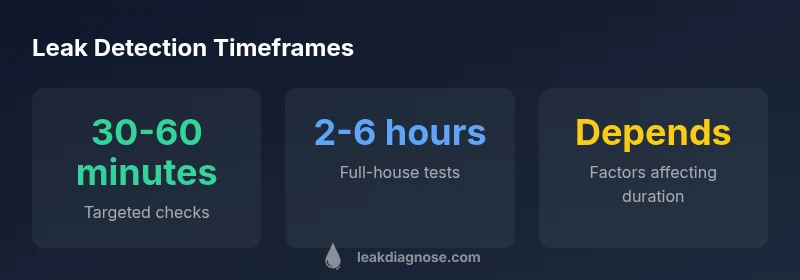
On average, leak detection takes 30 minutes to 2 hours for a targeted spot or single appliance, while a full-house evaluation can run 2 to 6 hours. The exact duration depends on the number of suspected leaks, testing methods used, and accessibility of the plumbing. For quick checks, technicians prepare by reviewing symptoms and notes ahead of time, and scheduling flexibility can help during busy seasons.
Understanding the Timeline: What Drives Duration
The question of how long does leak detection take is not a single answer. It scales with scope, complexity, and test strategy. A targeted check of a single fixture or appliance usually lasts 30 minutes to 60 minutes if access is good and the area is straightforward. A full-house investigation, by contrast, involves multiple phases: establishing baseline pressure, running tracer-gas or infrared surveys, and interpreting results across the entire plumbing system. In total, a comprehensive visit often consumes 2 to 6 hours, but times can extend when hidden leaks require invasive access, or when scheduling overlaps with other trades. For homeowners, a practical approach is to block out a half-day window to account for variations and to avoid rushing critical detection steps. This ensures reliable localization before any repairs begin. According to Leak Diagnosis, the most reliable estimates come from a pre-visit assessment that identifies likely leak points and testing priorities. This helps prevent unnecessary delays and sets realistic expectations for the appointment length.
Common Methods and Their Time Estimates
Leak-detection testing employs several methods, each with its own typical duration. A quick surface check using ultrasonic listening or dye tests can take 30–60 minutes if leaks are obvious and access is straightforward. Infrared thermography and tracer-gas testing offer deeper insight but add time, often 60–120 minutes for staged diagnostics. Full-house surveys combine several methods and may require re-testing after repairs, extending the total time to 2–6 hours. The choice of method depends on suspected leak type (water, fixture, pipe) and access constraints. For DIY-minded homeowners, understanding which method seems most appropriate helps you plan around scheduling and reduces the risk of unnecessary delays.
What Affects Duration: Variables You Can Control
Several factors determine the length of leak-detection work. First, the scope matters: a single faulty faucet is quicker than a hidden pipe network. Second, accessibility plays a big role; tight crawl spaces or finished walls can slow tests and require disassembly. Third, the testing approach influences time: tracer gas and infrared surveys provide thorough results but take longer than a simple dye test. Fourth, weather and building occupancy can impact scheduling; technicians may coordinate access with other trades or the building owner. Understanding these variables helps homeowners set realistic expectations and avoid surprises. Leak Diagnosis emphasizes documenting symptoms ahead of time to narrow the search and minimize doors opened and tools moved during the visit.
Practical Scheduling Tips to Save Time
To streamline the process, prepare a clear symptom log with dates, sounds, moisture spots, and any visible leaks. Consolidate access needs: clear crawl spaces, remove obstacles, and provide entry keys or codes in advance. Ask your technician which testing methods they plan to use and how long each step is likely to take. If possible, arrange the appointment during a dedicated time block rather than a back-to-back service window. For multi-point investigations, request a staged plan: identify likely leak points first, then proceed to secondary tests if needed. Clear expectations at the outset often reduce on-site wait times and prevent redundant testing.
What to Expect During the Appointment
A typical leak-detection visit begins with a walkthrough of the home, a discussion of symptoms, and a plan outline. The technician then selects appropriate tests based on suspected leak types. You may see pressure tests, tracer-gas equipment, infrared cameras, or acoustic sensors deployed in the affected areas. After tests conclude, the technician explains findings and next steps, including repair options and follow-up testing. If leaks are found, scheduling follow-up work may add to total time, but this ensures the issue is fully resolved. Throughout, expect updates on any adjustments to the timeline as new information emerges and as accessibility changes during the process.
Coordination, Preparation, and Post-Detection Steps
Effective leak-detection timelines rely on good coordination between homeowner and technician. Confirm testing methods, required access, and any anticipated delays before the appointment. After detection, a written report or summary is usually provided, detailing leak sources, recommended repairs, and any required re-tests. If multiple leaks are found, the timeline may be extended to accommodate repairs and QA checks. Finally, consider scheduling a post-repair check to verify that the leaks are fully addressed and that the system remains watertight.
When to Call a Pro: Timelines vs DIY
For obvious leaks or simple fixtures, a DIY approach might be feasible if you have the right tools and comfort with basic diagnostics. However, hidden leaks, complex piping, or gas concerns demand professional assessment to ensure safety and accuracy. In these cases, budgeting for professional timelines guarantees correct localization and minimizes the risk of missed leaks or recurring damage. Leak Diagnosis recommends weighing the risks of DIY testing against potential cost and time savings when deciding between self-help and professional leak-detection services.
Timeframes for common leak-detection scenarios
| Scenario | Estimated Time | What Affects Time |
|---|---|---|
| Targeted check | 30-60 minutes | Number of fixtures and access |
| Full-house diagnostic | 2-6 hours | Testing methods and home size |
| Emergency check | 60-180 minutes | Urgent call-out and access constraints |
| Add-on testing | 30-90 minutes | Infrared/tracer gas equipment |
Questions & Answers
How long does a typical leak detection appointment take?
A typical appointment ranges from 30 minutes for a focused check to 2-6 hours for a full-house assessment. The duration depends on scope, access, and chosen testing methods.
Most leak detection visits take from a half-hour for a single issue to several hours for a full home survey.
Does the duration differ for pipes vs appliances?
Yes. Tests on appliance lines or visible leaks are shorter, while hidden pipe work often requires longer pressure tests and more extensive diagnostics.
Yes—appliance checks are quicker; hidden pipes take longer.
Can I speed up the process?
Preparation helps. Clear access, locate prior symptoms, and discuss tested methods in advance to optimize scheduling and reduce delays.
Prep and clear access makes the appointment faster.
What happens if leaks are found?
Technicians identify source areas, discuss fix options, perform repairs if within scope, and re-test to confirm the leak is resolved.
If leaks are found, you’ll get the fix plan and a re-test to confirm.
Is leak-detection different for water leaks vs gas leaks?
Yes. Water-leak detection focuses on moisture and pressure tests, while gas-leak detection emphasizes scent, sensors, and air tracing.
Water leaks need moisture tests; gas leaks need air tracing.
“The leakage detection process hinges on careful localization; speed should never compromise accuracy. Thorough testing reduces the chance of recurring leaks.”
Main Points
- Plan for a window, not a fixed slot
- Targeted checks are faster than full-house tests
- Prep and access improve speed
- Ask about testing methods to estimate duration