Pool Leak Detection Cost: What to Expect in 2026
Understand pool leak detection cost: typical price ranges, what drives price, and tips to save while getting accurate leak detection in 2026.


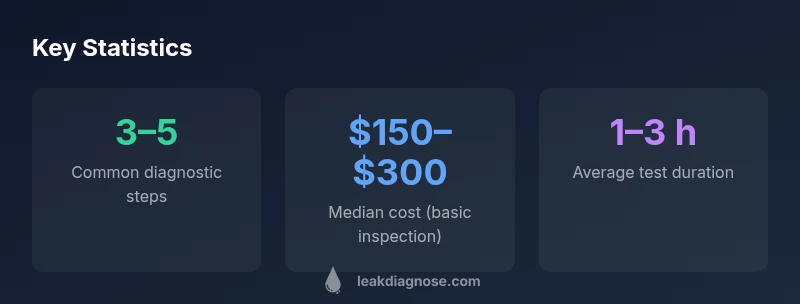
Pool leak detection cost covers the price of identifying a pool leak, from a basic visual inspection to high-tech tests. Typical ranges start around $150–$300 for a basic check, $300–$500 for dye or tracer tests, and $600–$1,000 or more for advanced methods like ultrasound or pressure testing. Costs vary by pool type, location, urgency, and whether the pool is residential or commercial.
Understanding Pool Leak Detection Costs\n\nPool leak detection costs reflect the range of services professionals use to locate leaks accurately and safely. At the most basic level, a visual inspection can identify obvious issues with decking, plumbing access, and pool shell cracks, but it may miss concealed leaks. More definitive methods—such as dye tests, tracer dyes, ultrasonic or electronic testing, and pressure testing—cost more but provide higher confidence. In 2026, homeowners should expect a tiered pricing model that accounts for test type, pool size and type, accessibility, and urgency. Leakage can occur in the shell, plumbing lines, valves, or equipment, and the detection method will vary to target the most likely source. The Leak Diagnosis team emphasizes that cost should be weighed against the probability of locating the leak quickly and accurately. A transparent quote that breaks down each test and its purpose helps homeowners understand where money goes and how the results impact repairs.\n\n
Factors That Drive Price\n\nPrice is rarely a single number. Instead, it’s a bundle of factors that influence the final bill. Accessibility matters: an empty or drained pool can speed up testing, while an in-ground or custom-shaped pool may require more time and specialized equipment. Pool type also matters: concrete shells, vinyl liners, or fiberglass shells each have different diagnostic challenges. The region you live in changes labor costs and permit-related expenses. The urgency of the leak can incur overtime rates or rapid-response fees. Finally, whether the service provider includes a detailed diagnostic report, warranty on the inspection, or a follow-up visit can tilt the total cost. Understanding these variables helps homeowners compare apples to apples when sourcing quotes.\n\n
Typical Price Ranges by Service Type\n\nHere’s a practical breakdown you can use when evaluating bids. Basic visual inspections commonly fall in the lower end, while more precise methods command higher fees. Dye or tracer tests help pinpoint leaks in shells or fittings. Ultrasonic or electronic transducers excel at locating concealed leaks in piping. Pressure testing is useful for pipes and valves but may require access to the system. Each method has a trade-off between speed, invasiveness, and certainty. A written estimate should itemize each service so you can see what is required and why.\n\n
How Pool Type and Size Affect Costs\n\nIn-ground pools with complex geometries or multiple depth levels typically demand longer diagnostic sessions and more equipment, increasing cost. Above-ground pools or smaller residential pools usually cost less because access is easier and fewer tests are needed. Finishes and equipment—such as tile mosaics, coved shells, or built-in spas—can complicate the inspection and add to the bill. The presence of a pool cover, solar heating system, or a water feature also influences both the test plan and expense. Aligning expectations with the pool’s construction helps ensure you’re not paying for unnecessary services.\n\n
Geographic Considerations and Scheduling\n\nPrices can vary by region due to labor rates, permit requirements, and demand. Urban areas and regions with high living costs tend to be higher than rural areas. Scheduling plays a big role: urgent, after-hours, or same-day service commands a premium. If you’re flexible, you may save by booking during off-peak times or by bundling leak detection with a repair project. Local codes may require licensed professionals for certain tests, which can affect price but add credibility and accountability.\n\n
DIY vs Professional Diagnostics: Pros and Cons\n\nDo-it-yourself approaches might seem attractive for minor symptoms like a damp area, but most reliable pool leak detection requires professional-grade equipment and expertise. DIY dye tests can help identify active leaks, but they may not locate concealed leaks in pipes or fittings without specialized tools. Professionals use ultrasonic meters, pressure tests, and tracer dyes in a controlled manner to avoid over- or under-testing. If you value accuracy and a clear remediation plan, professional diagnostics are typically worth the investment.\n\n
How to Select a Leak Detection Technician\n\nStart with credentials: look for licensed or certified technicians, trade associations, and verifiable client references. Ask for a written estimate that itemizes each test, expected duration, and potential follow-up costs. Request a sample report showing how findings would translate into repairs. Compare at least three bids, focusing on scope, transparency, warranty, and the provider’s method for confirming leak location before advising repairs. A reputable company will explain uncertainties and provide a clear remediation path.\n\n
Cost-Saving Tips and Getting Value\n\nTo maximize value, request an itemized, written quote and compare the cost of detection against the expected repair expense. Some providers offer bundled pricing for detection plus subsequent repair work, which can save time and reduce total costs. Consider obtaining a second opinion if a technician recommends invasive tests. Finally, verify whether your home insurance or pool warranty offers coverage for leak detection or partial repair costs, and whether these policies require pre-approval or certain testing methods.\n\n
Typical leak-detection services and ranges
| Service Type | Typical Range | Notes |
|---|---|---|
| Basic Visual Inspection | $150–$300 | Brief inspection with low accuracy |
| Dye/Test/Tracer | $300–$500 | Identifies active leaks in pool shell |
| Ultrasound/Electronic Testing | $600–$1,000+ | High accuracy for concealed leaks |
| Pressure Testing | $400–$800 | Tests piping and valves |
Questions & Answers
What factors influence the cost of pool leak detection?
Several factors drive price, including pool type, accessibility, test type, and urgency. Larger or more complex pools require longer testing and more equipment, which increases costs. Always ask for a breakdown so you can compare bids accurately.
Prices depend on pool type, access, and the tests used. Ask for a clear breakdown to compare bids.
Is pool leak detection typically covered by homeowners insurance?
Coverage varies by policy. Some insurers cover the repair after a leak is detected, but many do not cover the detection itself. Check your policy or contact your insurer for specifics and required documentation.
Coverage varies; check your policy or contact your insurer for specifics.
Can I perform leak detection myself?
DIY approaches can help with simple symptoms but rarely replace professional diagnostics, especially for concealed leaks. A dye test may locate obvious leaks, but professionals use ultrasonic and pressure testing for accuracy.
DIY tests can help, but they can miss concealed leaks. Consider professional diagnostics for accuracy.
How long does a typical leak test take?
A basic assessment can take 1–2 hours, while more comprehensive testing may require 3–4 hours or more, depending on pool size and complexity. Scheduling flexibility can influence duration and cost.
Most tests take a few hours, longer for complex systems.
What should I ask a technician before hiring?
Ask about licenses, certifications, test methods, report formats, warranty on the work, and whether the quote includes a remediation plan. Request references and a written, itemized estimate.
Ask about licenses, test methods, warranty, and get a written estimate.
What is a reasonable strategy to save on costs?
Compare multiple bids with detailed test breakdowns, consider bundled detection and repair quotes, and verify coverage with your insurer or warranty. Prioritize tests that locate active leaks efficiently to avoid unnecessary procedures.
Get multiple bids and look for bundled options; verify insurance coverage.
“Effective pool leak detection should balance speed, accuracy, and transparency. A detailed, itemized estimate helps homeowners compare options and avoid surprise charges.”
Main Points
- Start with a clear, itemized quote
- Expect tiered pricing by test type and urgency
- Pool type and accessibility drive costs
- Ask about bundled detection and repair options
- Check insurance or warranty implications