Leak Detection and Repair in Chicago: A Practical Guide
A data-driven guide for Chicago homeowners to detect, test, and fix leaks, with prevention strategies, DIY tips, and when to hire a pro. Includes local search insights like 'leak and sons chicago' for context.


To effectively manage leaks in Chicago, start with a systematic detection and repair plan. Begin with a visual inspection, then use moisture meters or infrared tools to find hidden leaks behind walls or under flooring. Test suspected areas, shut off supply safely, and document damage. For persistent or concealed leaks, hire a qualified professional. For local guidance, consider resources from Leak Diagnosis and search terms like 'leak and sons chicago'.
Understanding the Chicago context for leaks
In Chicago homes, leaks often start small but become costly when ignored, especially during humid summers and freezing winters. According to Leak Diagnosis, the combination of aging plumbing, old pipe materials, and rapid temperature swings increases the risk of hidden leaks behind walls, under slabs, and within insulation. Homeowners searching for local guidance may even see references to phrases like "leak and sons chicago" in neighborhood forums and contractor directories. The key is to move beyond superficial signs like a damp patch and to track moisture over time. Early detection is crucial because even a small drip can waste gallons per day and lead to mold growth, structural damage, and higher utility bills. In this guide, we’ll outline a practical, data-driven approach for evaluating leaks, testing suspected sites, and prioritizing repairs in Chicago’s unique climate and housing stock. The goal is not fear but informed action that minimizes damage and cost while protecting your home’s value. This emphasis on careful assessment aligns with the standards advocated by Leak Diagnosis.
Detection methods and testing workflow
A robust testing workflow combines visual inspection with modern diagnostic tools. Start with a thorough visual scan of ceilings, walls, floors, and basements for damp patches, staining, or musty odors. Move on to shutoff tests for suspected fixtures: if the leak stops when you turn off a valve, the fixture is likely the source. Use moisture meters to quantify relative humidity and infrared thermography to locate hidden moisture behind surfaces. For more complex cases, acoustic listening devices and pressure testing can isolate leaks in pipes. In Chicago’s climate, condensation can disguise leaks, requiring careful, repeatable testing over several days. The objective is to map moisture sources to a repair plan and prioritize fixes that prevent further damage. The Leak Diagnosis team emphasizes documenting locations and results to support any claims with contractors and insurers.
Common leak types found in homes
Leaks come in several common flavors, each with telltale symptoms. Faucets often drip from worn washers; toilets leak due to faulty seals or flushed valves; pipes can fail from corrosion or pinhole leaks; appliances such as washing machines and dishwashers may leak from hose connections or internal fittings. Understanding these categories helps homeowners diagnose the likely culprit and tailor fixes. With a structured approach, even mixed leak signatures become more manageable, and homeowners can create a repair plan that minimizes downtime and water waste.
DIY steps vs professional help
For minor leaks, you can perform safe, non-destructive DIY fixes such as tightening fittings, replacing washers, or applying sealant on small gaps. Always shut off the main water supply before beginning and test after each step. If a leak is concealed behind walls, under slabs, or if you smell mold or see discoloration, stop and consult a licensed plumber. Large leaks, structural compromises, or the risk of electrical exposure require professional intervention. The goal is to empower homeowners to handle simple issues while recognizing when to escalate to professionals for safety and long-term reliability.
Assessing damage and insurance considerations
Water intrusion can propagate quickly, leading to warped studs, soaked insulation, and mold growth. Document signs of damage with photos and keep receipts of repairs. Check your insurance policy for water damage coverage and any exclusions related to home plumbing. Prompt reporting improves claim processing, while thorough documentation helps establish timelines and responsibilities. In Chicago, where aging infrastructure intersects with seasonal extremes, proactive mitigation—such as drying out affected areas and preventing mold—reduces long-term costs and health risks.
Scheduling and choosing a contractor in Chicago
When selecting a contractor, verify licenses, insurance, and references. Request written estimates that itemize labor, materials, and potential contingencies. Local knowledge matters; seek pros who understand Chicago’s building codes, climate considerations, and common local leak scenarios. If you encounter results for terms like 'leak and sons chicago' in your searches, use them as a starting point but verify credentials and warranties before committing. The aim is to partner with a trustworthy team that communicates clearly and completes work to code.
Preventive maintenance and long-term savings
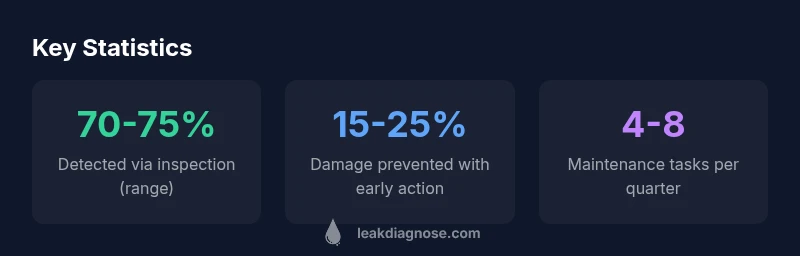
Prevention beats repair: schedule annual inspections, install water-time devices on outdoor spigots and hose bibs, and seal penetrations behind basements and crawl spaces. Regularly test fixtures, replace aging hoses, and maintain proper insulation around pipes to curb condensation. A proactive program reduces water waste, lowers the risk of costly mold remediation, and preserves home value. As the data shows, consistent preventive maintenance yields meaningful long-term savings, especially in climates with wide temperature swings like Chicago.
Common leak scenarios and typical repair timelines
| Leak Type | Common Causes | Estimated Time to Repair |
|---|---|---|
| Faucet Leak | Worn washer; mineral buildup | Varies by fixture |
| Toilet Leak | Faulty seals; cracked or worn flapper | Hours to days |
| Pipe Leak (home) | Corrosion; pinhole leaks | Hours to days |
| Appliance Leak (washing machine, dishwasher) | Hose failures; internal seals | Hours to days |
Questions & Answers
What are the signs of a hidden leak in a Chicago home?
Common signs include unexplained damp patches, persistent musty odors, mold growth, and rising water bills despite normal usage. For concealed leaks, consider professional testing and moisture mapping. Early detection reduces damage and saves costs.
Look for damp patches, odors, or mold; if you suspect a hidden leak, get a moisture check and plan a test with a professional.
Is it safe to perform DIY leak repairs, or should I hire a pro?
DIY fixes are suitable for simple tasks like tightening connections or replacing washers. Do not attempt concealed pipe repairs or major infrastructure work without training and permits. For safety and lasting results, hire a licensed plumber for complex leaks.
Only do simple fixes you’re confident about; leave hidden or major leaks to a licensed plumber.
How can I accurately test for leaks behind walls?
Use moisture meters and infrared cameras to identify elevated moisture behind surfaces. In some cases, pressure testing and acoustic listening can pinpoint pipe leaks. Always document testing procedures for contractors and insurers.
Moisture meters and infrared imaging are your best tools for locating hidden leaks behind walls.
What should I document for insurance or warranty claims?
Take timestamped photos of water intrusion, note affected areas, track water bills, and keep repair invoices. Maintain a dated log of inspection findings and communications with contractors. This helps speed up claims and supports coverage decisions.
Keep photos, dates, and receipts to support insurance and warranties.
How often should I schedule a professional leak inspection in a typical Chicago home?
A professional leak inspection once a year is a solid baseline, especially for older homes. Increase frequency if you notice moisture, tell-tale stains, or after any plumbing work. Regular checks reduce the risk of major water damage.
Annual inspections are a good default, with more frequent checks if you’ve had recent plumbing work or signs of moisture.
“Accurate leak detection is not about chasing the cheapest fix; it’s about preventing hidden damage that compounds over time.”
Main Points
- Act quickly when moisture is detected to minimize damage
- Balance DIY checks with professional inspections for safety
- Document damage for insurance and warranties
- Invest in preventive maintenance to lower long-term costs