Fix Hot Tub Leak: DIY Guide for Quick Repair
Learn a safe, step-by-step method to fix a hot tub leak. Identify leak sources, test accurately, apply patches or sealants, and know when to call a pro for lasting peace of mind.


Fixing a hot tub leak starts with locating the source, shutting off power to the control panel, and draining enough water to inspect seals, fittings, and the shell. This how-to covers safe testing, basic patch/sealant methods for common leak sites, and when to call a pro. According to Leak Diagnosis, following a structured, safety-first approach reduces damage and restoration time.
Identify the leak sources in a hot tub
Leaks in a hot tub can come from multiple places, including jet fittings, the spa shell around the skimmer, heater gaskets, valve connections, and the liner or tub shell itself. According to Leak Diagnosis, many leaks originate at fittings or seals where vibration and temperature shifts loosen connections over time. Start by performing a visual sweep with the tub drained to highlight damp spots, rust stains, or mineral deposits that hint at the leak’s origin. Take notes as you move from the equipment pad to the shell, because tracing the leak is often a process of elimination rather than a single smoking gun. By mapping probable sources, you’ll save time and avoid unnecessary patching on the wrong area.
Safety first: power, water, and PPE
Electrical safety is non-negotiable when working on or near a hot tub. Always shut off power at the main breaker or the dedicated spa shutoff, then test that no circuits are live before touching components. Wear non-slip shoes, eye protection, and gloves to guard against sharp edges and chemical sanitizers. Keep the work area dry, avoid standing water around electrical panels, and never attempt repairs while the tub is energized. A small precaution now prevents dangerous shocks or fires later, aligning with best practices for home maintenance.
Tools and tests for accurate pinpointing
Gather a basic diagnostic kit: a flashlight, absorbent towels, dye testing kit (food coloring or spay-dye), a wrench set, and plumber’s tape. Use the dye test by adding colored water near suspected joints or fittings and watching for color migration. A simple bucket test—fill the tub to a level where you can monitor a capped area—helps you see if the leak rate changes with water pressure. Document any leaks with photos; this is invaluable if you later need a professional assessment or warranty claim.
Common leak sites and how to address them
Fittings and jets: Tighten connections gradually with the right wrench size, avoiding over-tightening that can crack fittings. Seals around the heater and pump: replace O-rings or gaskets if you notice moisture pooling after a cycle. Liner or shell cracks: patch kits or vinyl repair tape can provide a temporary seal, while larger cracks may require professional liner replacement. Leaks near the drain valve or intake lines: reseal with silicone sealant compatible with spa plastics, then test for persistence. Always clean the area before applying patch materials and follow manufacturer guidance to avoid chemical reactions that could damage the surface.
Patch vs patch: choosing the right repair
Not all leaks are equal. Tiny surface drips on non-porous surfaces may be sealed with silicone or epoxy putty as a temporary fix, while persistent or larger leaks around structural components often require liner repairs or component replacement. If you’re unsure, start with a non-permanent patch to verify the source before committing to a full repair. Remember that patches can fail if exposed to hydrostatic pressure or chemical imbalances, so monitor after refilling.
Maintenance to prevent future leaks
Regular inspection is the best preventative measure. Schedule quarterly checks of jet fittings, pump seals, and heater gaskets. Replace worn O-rings during routine service, and ensure clamps and connections remain secure after significant temperature swings. Keeping the tub properly insulated reduces strain on seals and reduces the chance of leaks caused by temperature-induced expansion and contraction. Thoughtful winterization and proper chemical balance also help protect against premature wear.
When to call a professional
If you identify a leak that requires liner work, heater replacement, or structural shell repair, or if the leak returns after a DIY patch, a licensed spa technician should be consulted. The Leak Diagnosis team recommends starting with a documented DIY check, but professional service is wise for persistent leaks, complex plumbing, or safety-critical components. Quick, professional intervention can prevent water damage and extend the life of your hot tub.
Tools & Materials
- Flashlight(Bright beam to inspect tight gaps and under equipment)
- Absorbent towels(Dry surfaces for accurate spotting)
- Dye testing kit (or food coloring)(Identify leak path without guesswork)
- Wrench set (adjustable)(Tighten or loosen fittings safely)
- Silicone sealant compatible with spa plastics(Temporary patches or seals on nonporous areas)
- Epoxy putty or vinyl patch kit(Permanent patch for small cracks)
- Plumber’s tape (Teflon tape)(Seal thread joints on plumbing)
- Gloves and eye protection(Safety when handling chemicals and edges)
- Bucket and siphon pump(Assist with partial draining)
- Shop towels and cleaning solvent(Prep surfaces before patching)
- Rags and spare parts inventory list(Keep track of what’s replaced)
- Replacement O-rings/gaskets for jets and heater(On-hand spare parts for quick fixes)
Steps
Estimated time: 75-120 minutes
- 1
Shut off power and drain to a safe level
Go to the main breaker and switch the spa off. Confirm no circuits are live using a non-contact tester. Then drain water to a level where leaks around fittings can be inspected without water pressure interfering.
Tip: Test the breaker with a multimeter on another circuit first to ensure safety. - 2
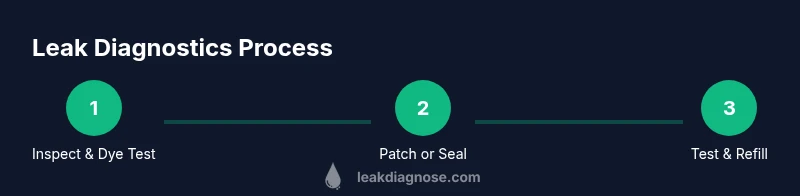
Locate the leak with visual checks and dye test
Inspect all fittings, jets, and seals. Add colored dye near suspected joints and watch for drift to identify the source. Photograph suspicious areas for reference.
Tip: Focus on areas that show wetness after a cycle begins. - 3
Tighten or reseal entendments
Carefully tighten loose clamps and fittings with the appropriate wrench. If you cannot tighten enough, reseal with plumber’s tape or silicone around threaded joints.
Tip: Avoid over-tightening, which can crack components. - 4
Apply a temporary patch where appropriate
Clean the area, then apply silicone sealant to non-porous surfaces or a vinyl patch kit for liner areas. Allow to cure according to product instructions before refilling.
Tip: Keep the patch surface free of chemical residue for best adhesion. - 5
Address liner or shell cracks
For small liner cracks use a vinyl patch; larger shell cracks typically require professional liner repair or replacement. Do not attempt structural repairs without training.
Tip: A patch should be a temporary measure while you arrange a more permanent fix. - 6
Refill and test for leaks
Refill slowly and monitor the patched areas during a test run. Check for new damp spots or color migration from the dye test. Restore chemical balance after testing.
Tip: Keep a log of pressure and leak behavior during the first 24 hours. - 7
Plan professional help if needed
If the leak persists after patches or involves the heater, pump seals, or a large area of the shell, call a licensed technician for a permanent fix.
Tip: Document findings and patch materials used to share with the pro.
Questions & Answers
What are the most common causes of a hot tub leak?
Leaks most often originate at fittings or seals around jets, heater gaskets, or plumbing connections. Cracks in the liner or shell can also cause leaks, especially after temperature cycles. A careful diagnostic approach helps identify the exact source.
Common leaks usually come from fittings, seals, or liner cracks. A careful check helps you pinpoint the exact source.
Can I fix a hot tub leak myself?
Many minor leaks can be addressed with tightening fittings, patch kits, or silicone sealant. Larger or structural leaks, or leaks involving the heater, should be handled by a licensed professional. Always prioritize safety when working near electrical components.
Yes for small leaks with basic patches; otherwise call a pro for safety and lasting repair.
Is it safe to run a hot tub after patching a leak?
Run a slow, low-pressure test after patching to ensure the repair holds. If you still see moisture or dye migration, stop and reassess. Rebalance the chemistry after testing.
Test the patch with a slow refill and watch carefully for any signs of leaking.
How long do patches last on a hot tub?
Patch longevity depends on the material and leak site. Temporary patches may last weeks to months, while professionally installed fixes are designed for longer-term reliability.
Patch life varies; professional repairs tend to last longer.
When should I replace a heater or jets instead of patching?
If the leak involves the heater core, internal seals, or worn gaskets, replacement is often more reliable than patching. Consider the overall tub age, repair costs, and warranty status.
If the heater or jets are failing, replacement is usually wiser than patching.
Do I need to drain the tub completely for repairs?
Most repairs can be performed with the tub partially drained to access fittings. Complete drainage may be needed for liner patches or shell repairs. Follow patch instructions and safety guidelines.
Partial draining is common; full drain may be needed for liner work.
Watch Video
Main Points
- Identify leaks before patching to avoid wasted work
- Prioritize safety: cut power and wear PPE
- Choose temporary patches for quick relief, reserve pro repair for structural leaks