Exhaust Leak Repair Shop Guide: Find, Inspect, and Repair
Learn how to find a reputable exhaust leak repair shop, what to expect during service, safety tips, and how to avoid surprises in your repair.


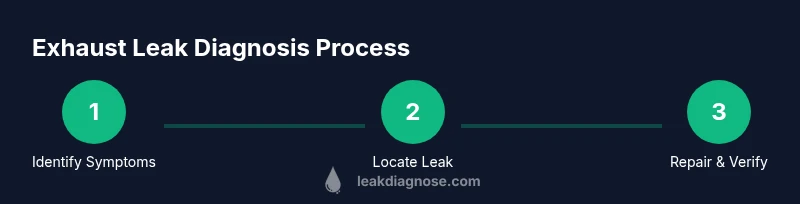
An exhaust leak should be handled by a qualified exhaust leak repair shop. Start with a diagnostic check to locate the leak, obtain an estimate, and then have the shop repair or replace the affected section. After service, test for leaks and verify proper exhaust flow before driving safely today.
Why Exhaust Leaks Demand Prompt Attention
Exhaust leaks are more than a noisy nuisance; they can pose serious safety risks from carbon monoxide exposure and poor engine performance. A small hole or gap in the exhaust system can allow dangerous gases to enter the cabin or underhood area where heat and pressure are high. Prompt diagnosis and repair protect your family, reduce emissions, and prevent costly damage to the engine or exhaust components. According to Leak Diagnosis, exhaust leaks are often overlooked until symptoms become obvious, but early action saves hassle and money in the long run. A qualified exhaust leak repair shop can locate the leak precisely and recommend the best fix, whether that means sealing a joint, replacing a section, or upgrading a damaged manifold. You’ll benefit from a clear diagnosis, an itemized estimate, and a documented repair path that reduces surprises when you pick up your vehicle.
Common Causes of Exhaust Leaks in Vehicles
Exhaust leaks arise from corrosion, vibration, thermal stress, and improper maintenance. Rusted or pinhole-ed pipes, cracked manifolds, degraded gaskets between flanges, failed clamps, and damaged hangers are frequent culprits. A leaky exhaust not only dulls performance and efficiency but can also create a hazardous opening for hot gases. The Leak Diagnosis Analysis, 2026, emphasizes that identifying the exact location matters for effective repairs and for determining whether a patch, replacement, or more extensive service is needed. By understanding typical failure points, you can discuss precise repair options with an exhaust leak repair shop and avoid generalized fixes that don’t address the root cause.
How to Locate an Exhaust Leak Safely
Begin with a visual inspection of the exhaust path: look for rust, cracks, or gaps at joints, flanges, and the catalytic converter housing. With the engine running at idle, listen for hissing or popping sounds around joints and hangers. A carbon-soot stain around a seam is a telltale sign, but never rely on color alone. A smoke test or pressurized leak-detection system performed by a qualified shop can reveal hidden leaks that visibility misses. If you notice a unusual odor or feel exhaust fumes inside the cabin, stop driving and arrange a professional assessment immediately. This step-by-step awareness helps you choose the right exhaust leak repair shop and ensures you pursue a safe, lasting fix.
What to Expect When You Visit an Exhaust Leak Repair Shop
A reputable exhaust leak repair shop will start with a thorough diagnostic to locate the leak and assess surrounding components. Expect a written estimate detailing labor and parts, followed by an explanation of options such as sealing joints, replacing a damaged section, or upgrading hangers and gaskets. The technician should perform pressure and leak testing after the repair and verify compatibility with emission controls. During the service, ask about warranties on parts and workmanship, and request a repair summary for future maintenance. This experience helps you feel confident that the repair addresses the root cause and won’t recur soon.
How to Choose the Right Exhaust Leak Repair Shop
Choosing the right exhaust leak repair shop is about more than price. Look for ASE-certified technicians, a shop with appropriate exhaust system equipment (smoke machines, ultrasonic detectors, torque wrenches), and clear communication. Check for transparent estimates, a clear scope of work, and a warranty on parts and labor. Read reviews focusing on diagnosis accuracy, turnaround time, and courtesy. If the shop explains options in plain language and documents the expected outcomes, you’re likely in good hands. Remember to confirm that the shop adheres to safety practices for gasoline systems and adheres to local environmental requirements; a responsible shop will.
At-Home Safety and Maintenance After Repair
After an exhaust leak repair, keep an eye on the exhaust path for signs of new leaks and listen for changes in engine performance. Maintain your vehicle by scheduling regular inspections as part of preventive maintenance. If you notice new sounds, smells, or reduced performance, contact the exhaust leak repair shop promptly for a follow-up check. Properly ventilate your workspace when performing any DIY checks outside the vehicle and never run the engine in an enclosed area. Preventive maintenance and timely follow-ups save you from more extensive repairs and ensure a safe driving experience.
Tools & Materials
- Safety gear (gloves, eye protection, breathable clothing)(Essential for handling hot components and sharp edges.)
- Jack and jack stands(Used to raise the vehicle safely for undercarriage access.)
- Socket set and wrenches(For loosening clamps, flanges, and mounting hardware.)
- Penetrating oil(Helpful for corroded fasteners but not always necessary.)
- Exhaust clamp kit or patch/sealant(Depends on the leak location and repair approach.)
- Torque wrench(Ensure fasteners are re-tightened to spec.)
- Rags and cleaning solvent(Clean the area before and after repairs.)
- Shop air or handheld smoke tester (for diagnosis)(Used by professionals to locate leaks precisely.)
Steps
Estimated time: several hours
- 1
Identify symptoms and secure safety
Note unusual noises, odors, or dashboard codes. Park on a flat surface, apply parking brake, and wear protective gear. Avoid driving if there is a strong gas odor, and contact a professional exhaust leak repair shop for evaluation.
Tip: Document symptoms with photos or notes to share with the repair shop. - 2
Safely lift the vehicle
Use a floor jack to lift the car and place it on jack stands. Ensure the vehicle is stable before accessing the undercarriage where the exhaust runs. Never crawl under a car supported only by a jack.
Tip: Chock wheels and double-check stability before working under the vehicle. - 3
Inspect for obvious leaks
Look for rusted sections, cracked joints, or loose clamps along the exhaust path. Gaskets at flanges should be tight and intact. If you see soot around a seam, it indicates a leak.
Tip: Use a flashlight and mirror to inspect hard-to-see joints. - 4
Decide repair method
Choose between patching, replacing a section, or resealing joints depending on severity. For major damage, replacing a pipe or manifold might be necessary. In some cases, a professional diagnostic is essential to prevent a repeat issue.
Tip: Ask for a written diagnosis and the pros/cons of each option. - 5
Perform repair or replacement
If repairing, follow manufacturer torque specs and use proper clamps. If replacing parts, ensure compatibility with your vehicle's make and model. Reattach hangers and verify clearance from heat shields.
Tip: Avoid cheap temporary fixes; a proper repair lasts longer and is safer. - 6
Test for leaks and validate safety
Run the engine at idle and inspect for escaping gas and sounds. Conduct a smoke test or professional leak test to confirm the fix. After confirming a leak-free system, lower the vehicle and remove stands.
Tip: If smoke or fumes persist, stop and consult the shop immediately.
Questions & Answers
What is an exhaust leak and why is it dangerous?
An exhaust leak is a breach in the exhaust system that allows gases to escape before they reach the tailpipe. It can release dangerous carbon monoxide into the cabin and harm engine performance. Always have a suspected leak evaluated by an exhaust leak repair shop promptly.
An exhaust leak is a breach in the exhaust system that can let dangerous gases into the cabin; have it checked by a professional quickly.
How can I tell if my exhaust has a leak?
Look for unusual noises, a sulfur-like smell, visible soot around joints, or reduced engine performance. A strong odor or fumes entering the cabin are signs to stop driving and seek a diagnostic from an exhaust leak repair shop.
Listen for hissing sounds and watch for soot; if you smell fumes, stop driving and get a professional check.
Should I repair or replace the exhaust manifold or pipes?
Minor leaks at joints or clamps may be repaired with sealing or patching, but larger cracks or corroded sections often require part replacement. A professional diagnosis helps determine the best long-term fix.
Damage varies; a pro will tell you whether to patch or replace for a lasting fix.
What should I expect when visiting an exhaust leak repair shop?
Expect a diagnostic, an itemized estimate, and clear explanations of options. Reputable shops perform leak testing after repair and provide warranties on parts and labor.
Expect a clear diagnosis, written estimate, and a post-repair leak test with a warranty.
How long does an exhaust leak repair take?
Time varies with severity, location, and parts availability. Most repairs can be completed within several hours, though complex manifold work may take longer at a shop.
Most repairs take several hours, depending on complexity and parts.
How much does an exhaust leak repair cost?
Costs vary with leak location and part replacement needs. The repair shop can provide an estimate after diagnosing the leak, with warranty coverage details.
Costs depend on the leak and parts; get a written estimate after diagnosis.
Watch Video
Main Points
- Identify the leak location early to guide repairs
- Choose a qualified exhaust leak repair shop for safety
- Inspect and test thoroughly after service
- Avoid driving with a suspected leak until cleared
- Document repairs for future maintenance