How to Leak Test Exhaust: A DIY Guide for Safe Detection
Learn to leak test exhaust safely with a clear, step-by-step DIY guide. This article covers tested methods, needed tools, and safety best practices from Leak Diagnosis to locate and address leaks.


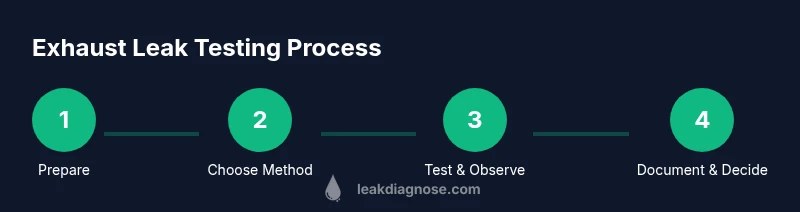
In this guide you will learn how to leak test exhaust safely using simple methods like soapy-water bubbles or a smoke test. You’ll choose a method, prepare a safe outdoor testing area, and perform a controlled test that helps locate leaks without engine or heat risks. This quick-start overview helps you decide between a bubble test and a smoke-based approach today.
Why exhaust leaks matter
Exhaust system leaks are more than a performance nuisance—they can pose safety risks from carbon monoxide exposure and engine inefficiency. According to Leak Diagnosis, even small leaks in the exhaust path can allow CO to backflow into the vehicle cabin or create dangerous backpressure that affects engine performance. Understanding where leaks typically occur helps homeowners and DIY enthusiasts plan effective checks. From a rusting pipe to a worn gasket, a leak manifests as unusual smells, noise changes, or sooty deposits around joints. This section lays the groundwork for selecting a testing method that fits your vehicle and outdoor environment, while keeping you and your family safe. By documenting findings, you’ll be prepared to discuss fixes with a mechanic or pursue do-it-yourself repairs when appropriate.
Safety first: hazards and precautions
Testing exhaust leaks requires care to avoid exposure to toxic gases, burns, and accidental engine activation. Always test outdoors in a well-ventilated area, with wind direction favorable to dispersion of any fumes. Ensure the engine is cool before touching exhaust components, and wear safety glasses and gloves. Keep children and pets away from the testing zone, and never run the vehicle in a closed garage or enclosed space. If you use any pressurized testing methods, follow device instructions and stop immediately if you detect any abnormal smells, excessive smoke, or hissing that suggests a major leak. This approach aligns with best safety practices outlined by reputable sources and supported by the Leak Diagnosis team, who emphasize cautious handling of exhaust systems during DIY evaluation.
Choosing a leak-testing method: bubble vs smoke
Two primary methods work for exhaust leak detection: a bubble (soap-bubble) test and a smoke-based test. Bubble testing is inexpensive and quick: apply a soapy solution to joints and look for bubbles as exhaust is produced. Smoke testing uses either a dedicated smoke machine or a leak-detection aerosol to visualize tiny leaks that might be invisible to the naked eye. Bubble tests are great for locating larger, easily visible leaks, while smoke tests can reveal smaller gaps in welds or hidden clamps. For best results, you may combine both methods: start with bubbles to identify obvious leaks, then use smoke for a thorough scan. Throughout, keep documentation handy and adhere to outdoor testing guidelines discussed by the Leak Diagnosis team.
Common leak locations and how to spot them
Exhaust leaks most often occur at joints and flexible connections where heat and movement stress seals. Look for gaps around manifold gaskets, slip joints, clamps, and welded seams along the mid-pipe, rear sections, and tailpipe. Rust around clamps or flanges can cause slow, persistent leaks, while a loose hanger or cracked pipe can create audible tapping or hissing sounds. When inspecting, use a bright flashlight and a mirror to examine hard-to-reach areas under the vehicle. If using a smoke test, small white trails around joints indicate leaks, while soapy bubbles confirm the defect. The goal is to map every suspect location for later repair planning.
Interpreting results and next steps
Once leaks are identified, decide whether a simple reseal or clamp tightening is sufficient or if a more involved repair is needed. Minor gasket leaks or loose clamps may be addressed with appropriate replacements and torque specs. More serious issues such as cracked pipes or failed welds typically require professional service or exhaust system replacement. Document exact locations, take photos, and note the vehicle’s operating conditions during testing. This information helps mechanics diagnose the issue accurately and provides a concrete plan for repairs. The Leak Diagnosis approach emphasizes clear records to guide repairs and ensure safety.
Tools & Materials
- Soapy water spray bottle(Dish soap mixed with water; sudsy solution highlights leaks)
- Flashlight or inspection mirror(Helps illuminate and view tight joints and welds)
- Safety glasses(Protect eyes from spray and debris)
- Work gloves(Protect hands during handling of hot components (if recently run))
- Smoke test machine or leak-detection aerosol (optional but helpful)(Provides clearer visualization of small leaks)
- Outdoor testing area(Open space with good ventilation; avoid enclosed areas)
- Rags or towels(Clean up spills and wipe excess solution)
Steps
Estimated time: 60-90 minutes
- 1
Prepare the testing area and PPE
Park outdoors in a well-ventilated area and allow the exhaust to cool. Put on safety glasses and gloves, and collect all tools within easy reach. Clear the workspace of flammable materials.
Tip: Double-check wind direction so fumes blow away from you and bystanders. - 2
Choose your testing method
Decide between a bubble test or a smoke-based test based on leak visibility and access. Bubble tests are quick and cheap, while smoke tests reveal smaller or hidden leaks and provide clearer visualization.
Tip: If you have both options, start with bubbles to identify obvious leaks, then use smoke for a deeper check. - 3
Set up the soap-bubble test
With the engine off and cooling, apply the soapy solution along joints, welded seams, clamps, and gaskets. Have a helper run the engine at a light idle if you’re testing bubbles and maintain safe distance.
Tip: Avoid getting soap on electrical components or sensors near the engine bay. - 4
Run the exhaust and observe for bubbles
Start the engine and let it idle long enough to produce exhaust. Watch the joints for bubble formation; move the spray to each suspect location to confirm leaks.
Tip: Keep the nozzle close but not touching metal to reduce spray splatter. - 5
If using a smoke test, introduce smoke per device instructions
Connect the smoke source to the tailpipe or exhaust path according to the device’s manual. Observe for smoke escaping through any joints or seams—pause if you see excessive backflow or unusual hiss.
Tip: Limit smoke duration to avoid over-pressurizing the system. - 6
Document and verify leaks
Mark each leaking joint, photograph the area, and note the vehicle condition and timing. Use a marker or tape for visibility and keep a repair plan in writing.
Tip: Label photos with location and the date for easy reference during repairs. - 7
Decide on repairs or professional help
Assess whether clamps, gaskets, or hoses can be resealed or replaced by a DIY approach, or if welding or piping replacement requires a professional shop.
Tip: If you’re uncomfortable with exhaust welding or structural repairs, seek a qualified mechanic promptly.
Questions & Answers
What is the safest method to leak test exhaust?
Outdoors with the engine off and cool, using a soap-bubble test or a smoke-based test following device instructions. Never test indoors due to carbon monoxide risk.
Safely, test outdoors with the engine off using either bubble or smoke testing as directed by the device.
Can I use soapy water to find leaks in the exhaust?
Yes. Apply soapy solution to joints when exhaust is producing gas and look for bubbling. If you find a leak, plan the appropriate repair and repeat after fixes.
Yes. Apply soapy water to joints and watch for bubbles when the exhaust is active; repeat after any repair.
Where should I check for leaks on a typical car exhaust?
Inspect manifold gaskets, mid-pipe joints, clamps around the tailpipe, and welded seams. Rusty clamps and damaged pipes often indicate leaks.
Check gaskets, clamps, welded seams, and rusted areas along the exhaust path.
How long does a DIY exhaust leak test take?
A thorough check typically takes about 30-60 minutes, depending on accessibility and how many leaks are found.
Most DIY tests take about 30 to 60 minutes, depending on accessibility and findings.
What if I find a leak but can't repair it myself?
If the leak is beyond simple clamps or gaskets, stop and consult a qualified mechanic for proper sealing or replacement parts.
If repairs are beyond basic parts, seek a professional for a proper seal or replacement.
Is it safe to run tests with the engine on?
Tests can be conducted with the engine running outdoors, but only if you are specifically following safe guidelines and staying clear of hot surfaces and moving parts.
Only run the engine if you’re following strict safety guidelines and staying clear of hot areas—outdoors.
Watch Video
Main Points
- Test outdoors in a ventilated area
- Choose bubble or smoke method based on leaks
- Document leaks with photos for repairs
- Safety gear is essential for DIY testing
- Consult a professional for major exhaust repairs