DIY Exhaust Leak Repair: Safe Step-by-Step Guide for Cars
Learn how to identify, assess, and safely repair a minor exhaust leak with a beginner-friendly, step-by-step approach. This guide covers detection methods, repair options, safety precautions, and testing to ensure a lasting fix.


Learn how to locate and repair a minor exhaust leak on a passenger car using safe, beginner-friendly methods. This guide covers detection, essential tools, and proven DIY repair options such as gasket replacement, clamps, and high-temp sealants. You’ll learn when to repair vs. replace, how to test for leaks, and safety steps to protect you and your vehicle.
What is an exhaust leak and why it matters
An exhaust leak occurs when exhaust gas escapes through gaps, cracks, or weak joints in the exhaust system. While some leaks are tiny and difficult to detect, they can cause increased noise, reduced fuel efficiency, and most importantly, exposure to dangerous carbon monoxide (CO). In many cars, a leak near the manifold, gasket, or pipe joints can allow CO into the cabin if the vehicle is operated in poorly ventilated spaces. For DIY enthusiasts, small, accessible leaks in sections like the tailpipe or exhaust pipe near a joint can sometimes be addressed with proper safety precautions and the right materials. However, more extensive corrosion or leaks close to the catalytic converter typically require professional repair.
Leak diagnostics should be approached with caution. If you notice a dramatic change in exhaust tone, a ticking or hissing sound, strong exhaust odor, or a visible mist around joints, start with a safe inspection. Remember: never run an engine in an enclosed space to avoid CO buildup, and always work with the engine off and cooled.
As a general rule, use DIY methods only for leaks in non-critical, accessible sections. For anything involving the manifold, catalytic converter, or structural cracks, seek professional help. This approach aligns with industry guidance from Leak Diagnosis and industry-standard safety practices.
Common causes of exhaust leaks
Exhaust leaks are often the result of corrosion, loose fasteners, or failed gaskets. Common culprits include a blown or degraded manifold gasket, loose flange bolts, cracked pipes, worn clamps, and rusted hangers that cause joints to separate. Additionally, welded joints can crack over time due to metal fatigue, heat cycling, or physical damage from road debris. The most frequent points of failure are near the manifold, slip joints, and bend sections where stress concentrates. Understanding these failure points helps you plan your repair strategy and avoid unnecessary parts replacement.
Inspecting for leaks should involve looking for rust around joints, listening for unusual noises, and feeling for a puff of air when the engine is running (with the engine off and cool, of course, during safety checks). Using a soap-and-water test on suspect joints can help bubble-test the exact leak location. Regular inspections, especially for older vehicles, can prevent sudden failures that leave you stranded.
Keep in mind that a leak may appear small but can worsen with road vibration and heat expansion. If a leak is near a critical component, like the catalytic converter or oxygen sensors, the repair may be more complex and warrant professional attention.
Safety first: hazards and precautions
Safety is the top priority when working on the exhaust system. Always work with the engine cold and the car on a flat, stable surface. Use wheel chocks and a sturdy jack stand if you need to lift the vehicle; never rely on a jack alone. Wear eye protection and gloves to guard against sharp edges and hot surfaces; consider a mask or good ventilation if you plan to apply sealants or paints.
Exhaust components can contain hot surfaces and sharp edges, so handle parts carefully. If you suspect a structural crack near the manifold or a rusted pipe that might fail during work, back away and seek professional service. CO exposure is a serious risk, so avoid running the engine indoors or in enclosed spaces. If you must test for leaks, perform a short, controlled test in a well-ventilated area and observe for any signs of exhaust gas escaping.
Finally, never mix repair methods. A high-temp sealant may temporarily slow a leak but does not replace a metal gasket or pipe replacement. For safety, consider this: if you’re unsure about the leak’s location or the integrity of the exhaust, postpone the repair and consult an automotive professional.
Tools and materials overview
Before you start, gather essential items and confirm you have a clear workspace. Safety and planning are the biggest contributors to a successful DIY exhaust leak repair. The following list covers the core items you’ll likely need for most minor leaks in accessible sections of the exhaust system:
- Safety glasses and gloves (essential)
- Mechanics jack stands and wheel chocks (essential for any under-vehicle work)
- Socket set and torque wrench (essential for proper fastener security)
- High-temperature exhaust sealant (essential for small, non-structural leaks)
- Exhaust repair clamp or patch kit sized to your pipe diameter (essential for repair)
- Wire brush and degreaser to clean surface areas (essential for adhesion)
- Replacement gaskets or slip-joint seals if the leak is at a flange (essential for specific leaks)
- Penetrating oil for rusted bolts (optional but helpful)
- Clean rags and a flashlight or shop light (essential for visibility)
Optional but helpful items:
- Smoke test kit or soapy water spray to locate leaks precisely
- Rust remover for corroded sections
- Heat-resistant paint or coating for rust protection after repair
How to locate the leak: diagnostic methods
Locating an exhaust leak starts with a careful, safe inspection. Begin with the car on a level surface and the engine cold. Visually inspect for rusty spots, loose clamps, or damaged joints. A good technique is the soapy water test: spray soapy solution on suspected joints while the engine is briefly started (in a well-ventilated area) to observe bubbling at the exact leak point.
If you have access to a smoke machine, it’s a powerful tool for locating leaks in hard-to-reach sections. Introduce smoke into the exhaust system and watch where it escapes. This method helps identify tiny, slow leaks that might not show up with soapy water alone. For older vehicles with surface rust, focus on flange bolts and slip joints, as corrosion is a major indicator of where to inspect more closely.
As you locate the leak, document the exact location, diameter, and whether it’s a soft or a hard joint. This information will guide your repair choice and help you decide whether a patch, clamp, or gasket replacement is appropriate.
Repair options explained
When choosing a repair method, consider the leak size, location, and whether the pipe is damaged or merely loose at a joint. Minor, accessible leaks often respond to high-temperature sealants or clamps. A clamp or patch kit can seal small holes or cracks in non-critical sections, while worn gaskets must be replaced to restore a proper seal. For larger cracks, a replacement section is usually required. In some cases, especially with cast-iron manifolds or heavily corroded piping, welding or professional replacement is the safest option.
Patch-based repairs are quick but temporary; they work best for small holes in straight, accessible pipe segments. Clamps provide a mechanical seal but must fit the pipe diameter precisely and be rated for high temperatures. Gasket replacements are most effective at joints and flanges, but improper torque or damaged flanges can lead to renewed leaks. For any repair beyond a straightforward clamp or gasket swap, consider consulting a pro to ensure exhaust backpressure and emissions are unaffected.
Basic DIY patch or clamp workflow
This section outlines a practical, beginner-friendly approach for a simple patch or clamp repair on a non-critical section. Start by securing the vehicle and warming surfaces slightly, then clean the area with a degreaser to improve adhesion. If using a high-temperature sealant, apply it in a thin, even layer and allow the surface to cure per the product instructions. Place the patch over the hole (or position the clamp) and tighten evenly, ensuring a snug fit without crushing the pipe.
Always re-check the connection after cooling, and perform a short test in a ventilated space. If the sealant or clamp fails to hold, or if the leak returns after a test, disassemble and evaluate whether a gasket replacement or pipe section replacement is necessary. For safety, never rely on sealant alone for large or structurally compromised sections.
Testing, reassembly, and road test
With the repair complete, reattach any components you moved and torque fasteners to the manufacturer’s specifications using a torque wrench. Start the engine and observe for leaks at the repaired area. A successful repair will show no visible exhaust, no hissing sound, and no bubble formation when tested with soapy water. If a small, residual tick is present, re-check the area for proper sealing and consider a secondary sealer, but avoid over-sealing.
For a thorough verification, run the engine at idle for several minutes and then perform a light drive to test under normal load. Watch for changes in exhaust tone, unusual vibrations, or smells. If you notice persistent leaks or unusual odors, stop driving and inspect again; persistent leaks can indicate deeper failures that require professional evaluation.
Authority sources
For reliable, evidence-based guidance on exhaust systems and vehicle safety, consult these resources:
- https://www.nhtsa.gov
- https://afdc.energy.gov
- https://epa.gov
These sources provide safety recommendations, emissions guidance, and best practices for vehicle maintenance and repair. While home repairs can save time and money for minor issues, complex exhaust problems near the catalytic converter or manifold should be handled by a professional to ensure safety and compliance with local regulations.
Tools & Materials
- Safety glasses(ANSI Z87.1 or equivalent protective eyewear)
- Gloves(Leather or nitrile mechanics gloves)
- Jack stands and wheel chocks(Use on flat surface; never rely on a jack alone)
- Socket wrench set (metric and standard)(3/8" drive recommended; include swivel adapters)
- Torque wrench(To flange bolts and clamps as specified by vehicle manual)
- High-temperature exhaust sealant(Rated for 800°C+; follow product cure time)
- Exhaust repair clamp or patch kit(Choose size to fit the pipe diameter; stainless preferred)
- Wire brush and degreaser(Clean surfaces for adhesion and inspection)
- Replacement gasket or slip joint seal(Only if the leak is at a designed flange or joint)
- Penetrating oil(Loosen rusted bolts if needed)
- Rags and flashlight(Cleanup and visibility for working under car)
Steps
Estimated time: 60-120 minutes
- 1
Prepare workspace and safety gear
Begin by parking on a flat, level surface and applying wheel chocks. Put on safety glasses and gloves, and ensure the engine is fully cooled before touching any exhaust components. If you must lift the vehicle, use jack stands rated for the weight and place them on a solid surface.
Tip: Always double-check that the car is stable before getting underneath. - 2
Identify signs and locate the leak
Listen for a hissing or ticking sound and inspect joints for rust or looseness. Use soapy water on suspect joints and observe for bubbling as the engine runs briefly in a ventilated area to pinpoint the leak.
Tip: A smoke test can help locate hard-to-find leaks in tight spaces. - 3
Shut down engine and secure vehicle
Turn off the engine and let all components cool. Put the vehicle in park with the parking brake engaged and ensure you can access the entire exhaust path without unanticipated movement.
Tip: Never work on a hot exhaust; burns and steam injuries are common. - 4
Choose repair method based on leak
Decide between a patch/clamp approach for small, accessible leaks or a gasket replacement for joints. Large cracks or corrosion near the manifold usually require professional help.
Tip: For critical sections, do not improvise—seek professional service. - 5
Prepare surface and apply repair
Clean the area with a degreaser and wire brush. Apply high-temp sealant if appropriate, and position the patch or clamp firmly over the leak. Tighten evenly to avoid squeezing the pipe.
Tip: Follow the sealant cure time and avoid over-tightening clamps. - 6
Attach replaced gaskets or pipe sections
If replacing gaskets, remove old parts and install new ones flush against mating surfaces. Refit any removed hangers, flanges, or clamps and torque to spec.
Tip: Use a torque wrench to prevent over- or under-tightening. - 7
Reassemble and drain test area
Reinstall any moved components, ensure clear clearance, and remove tools from the workspace. Wipe surfaces and close up the area after inspection.
Tip: Keep the area clear of tools to avoid rattling noises after reassembly. - 8
Test for leaks and verify repair
Start the engine and observe the repaired area, listening for noise and feeling for escaping air. Re-run the soapy water test to confirm the fix, and perform a short road test in a safe area.
Tip: If any bubbles appear or smells persist, recheck the seal or seek professional help.
Questions & Answers
Can I fix an exhaust leak myself?
Yes, for small, accessible leaks in non-critical sections you can repair yourself using clamps, patch kits, or sealants. Large cracks, leaks near the manifold, or structural damage should be handled by a professional to ensure safety and proper emissions control.
Yes, you can fix small, accessible leaks yourself, but big or critical leaks should be handled by a professional.
What are common signs of an exhaust leak?
Common signs include increased exhaust noise, a ticking or hissing sound, a visible odor of exhaust, and poor fuel efficiency. You may also notice rust around joints or a bubbling test when applying soapy water.
Look for loud noise, hissing sounds, exhaust smell, and rust around joints.
Is it safe to drive with an exhaust leak?
Driving with a known exhaust leak, especially near the catalytic converter or exhaust manifold, is unsafe due to carbon monoxide exposure risk. If you suspect a leak, limit driving and get it inspected promptly.
No—exhaust leaks can expose you to carbon monoxide; get it fixed soon.
What repair method is most reliable?
The most reliable fix is replacing damaged sections or gaskets and ensuring proper torque on joints. Welding may be required for severe cracks or cast parts, and should be performed by a qualified professional.
Replacing damaged parts or proper gasket replacement is usually best; welding may be needed for serious cracks.
How long does a DIY exhaust leak repair take?
A simple patch or clamp repair typically takes about 60-120 minutes, depending on access and the number of joints involved. More complex repairs can take longer.
Most fixes are an hour or two, but it can take longer if access is tight.
What safety gear is essential?
Wear safety glasses, gloves, and a mask if fumes are present. Work in a well-ventilated area and keep a fire extinguisher nearby when welding or grinding.
Glasses, gloves, and good ventilation are essential for safety.
Watch Video
Main Points
- Identify the leak with a careful inspection and test,
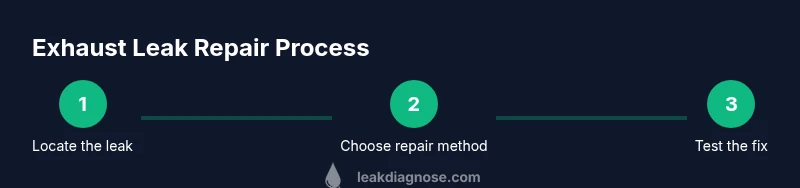
- Choose a repair strategy suited to the leak size and location,
- Use proper high-temperature materials and torque specs,
- Test thoroughly after repair and reassess if needed
- Know when to seek professional help for critical or complex leaks