What to Do When Leaking Breast Milk
Discover practical, urgent steps to manage breast milk leakage: protective gear, latch checks, pumping strategies, skin care, and when to seek professional help.


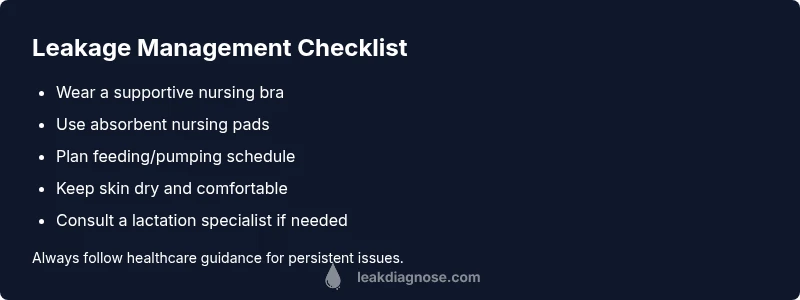
What to do when leaking breast milk is a common early breastfeeding test. Most leaks come from the let-down reflex or an overfull supply. Quick fixes include wearing a snug nursing bra with absorbent pads, changing pads regularly, and coordinating feeding/pumping to stabilize flow. If leakage is painful or persistent, consult a lactation specialist for personalized guidance.
Understanding why leaking happens
If you're wondering what to do when leaking breast milk, the answer is that leakage is often a natural part of lactation and can occur for several reasons. Most often, leaks happen due to the let-down reflex as milk begins to flow in response to a baby's suckling or even to hearing a baby cry. In many cases, oversupply or an overactive let-down can result in sprays that soak through clothing. The Leak Diagnosis team notes that such leakage is common, particularly in the first weeks after birth, as your body's milk production adjusts. Breast tissue is designed to respond to hormones and infant demand, so leaks can be a sign that your milk is coming in and your baby will soon be fed. The goal isn't to fight physiology but to manage leakage so you stay comfortable and dry while you care for your baby. Strategies that reduce irritation and protect your clothing include using absorbent nursing pads, wearing a supportive bra, and planning feeding or pumping around your baby's cues. We'll cover practical steps, safety tips, and when to seek lactation help.
Immediate relief: protective measures you can implement today
Start with simple, low-effort changes that make a big difference. Put on a snug yet comfortable nursing bra and a breathable nursing pad to catch moisture. Keep a spare set of pads in your bag for daytime leaks and a separate set for nighttime protection. If leakage feels painful or causes skin irritation, rinse the area with warm water after feeds and apply a thin layer of fragrance-free nipple cream or ointment recommended by your nurse or midwife. Hydration and gentle skin care support milk flow management. Remember, the goal is to stay dry, comfortable, and confident while continuing to breastfeed or express milk. According to Leak Diagnosis, using practical, gentle methods is often enough to prevent leakage from disrupting your day.
Gear and clothing: pads, bras, and wardrobe tips
Choosing the right gear can reduce embarrassment and prevent fabric staining. Invest in a couple of high-quality nursing bras with cotton panels that stretch as milk flow changes. Use disposable or washable nursing pads that fit your bra size; some pads are contoured to reduce bulk and stay in place. Dress in layers so you can adjust clothing when leaks occur, and consider dark-colored tops during the early weeks when leakage is more frequent. For work or school, carry a compact kit with extra pads, clean wipes, and a spare shirt. Comfort and discretion go hand in hand, and with the right gear you can focus on feeding and bonding rather than worrying about leaks.
Skin and nipple care: protecting delicate skin
Milk leakage can dry and irritate skin if moisture is trapped. After feeds, gently pat the area dry and apply a light, fragrance-free nipple cream or ointment if advised by a healthcare professional. Avoid harsh soaps and hot water that can strip natural oils; instead, rinse with warm water and let air-dry. If you notice redness, cracking, or persistent soreness, check with your clinician or lactation consultant. Using breathable pads that wick moisture away from the skin reduces friction and irritation throughout the day. The skin around the areola is sensitive; protective barrier creams can help, but use products recommended by your healthcare provider.
When to pump or feed to regulate flow
Establish a predictable feeding or pumping schedule to keep milk production in balance and reduce unexpected leaks. If you have a strong let-down, you might start with nurse or pump on the affected side first, then switch to the other side. Double pumping can help when oversupply is a factor, but avoid over-pumping as it may worsen engorgement if done excessively. Track feed times and milk output for a few days to understand your pattern. If you notice persistent oversupply causing leaks, discuss adjusting your pumping plan with a lactation consultant. The aim is steady flow rather than sudden surges that soak clothing.
Safety, warnings, and when to seek help
Leaks themselves are not usually dangerous, but the underlying issues can be. Seek professional help if you develop fever, redness in the breast, or painful lumps; these can indicate mastitis or infection. If milk leaks are accompanied by severe pain, bleeding, or fever, contact your healthcare provider immediately. Do not apply strong household chemicals or harsh home remedies to the breast area. If you notice persistent changes in color, texture, or amounts of milk, a lactation specialist can help assess supply and latch. Always follow the guidance of your primary care provider and your lactation consultant.
Building a leakage-management routine for home and work
Create a simple, repeatable routine that fits your day. Start the morning with a quick breast check, prepare pads and a spare shirt, and plan for a mid-day check after nursing. Maintain hydration, balanced meals, and rest as these influence milk production. Over time, most people find that leakage decreases as milk supply stabilizes and cues adjust. Keep learning and adapting to your body because every mother’s pattern is unique.
Steps
Estimated time: 30-60 minutes
- 1
Confirm leakage timing
Observe when leaks occur (time of day, on which side, during feeding or pumping). This helps identify patterns and potential triggers. Keeping a simple diary for a week can reveal predictable changes in flow.
Tip: Note the trigger (baby cry, wiggle, or sound) to tailor your response. - 2
Check latch and position
Ensure the baby takes a large portion of the areola into the mouth and that the chin reaches the breast during feeds. Re-latch or try alternative positions if leakage is uneven or frequent on one side.
Tip: Try the cradle, football, or side-lying hold to find the most effective latch. - 3
Evaluate let-down pace
If milk spouts or sprays, you may have an overactive let-down. Position the baby to tolerate the quick flow and use hands-on pumping to slow release if needed.
Tip: If the let-down is too fast, start on the less affected side first. - 4
Optimize pumping schedule
Match pumping times to your baby’s feeding cues and to where leaks are most disruptive. Consider paced pumping to prevent oversupply while still meeting your milk goals.
Tip: Keep a consistent schedule for several days to see patterns emerge. - 5
Protect clothing and skin
Choose breathable nursing pads and a well-fitted bra. Change pads regularly to prevent irritation and moisture buildup that can lead to rashes.
Tip: Carry a small kit with extra pads and a spare shirt for sudden leaks. - 6
Seek professional guidance
If leaks persist despite adjustments, consult a lactation consultant or your healthcare provider for a tailored plan focusing on latch, supply, and comfort.
Tip: Request a lactation consult for hands-on assessment and tailored tips.
Diagnosis: Milk leaks between feeds or during pumping
Possible Causes
- highNormal let-down reflex with possible oversupply
- mediumOveractive let-down causing spray
- mediumEngorgement or fullness from delayed feeding
- lowInadequate latch or infant positioning
Fixes
- easyWear a snug, breathable nursing bra and use absorbent nursing pads
- mediumNurse or pump on a predictable schedule to balance supply
- easyCheck latch and positioning; adjust baby hold and feed on demand
- easyUse cold packs after feeds to reduce engorgement; warm packs before feeding if needed
- easyIf leakage persists or is painful, seek help from a lactation consultant
Questions & Answers
Is leaking milk a sign of overproduction or poor milk supply?
Leaking can indicate let-down and oversupply, but it isn’t a definitive sign of milk supply. If leaks are painful or accompanied by other symptoms, consult a lactation specialist.
Leaking milk often means your let-down is working and you may have an oversupply. If it hurts or is unusual, talk to a lactation consultant.
Can leaking occur during pregnancy?
Yes, many people experience leakage in late pregnancy as hormones begin milk production and the body prepares for breastfeeding.
Yes, leakage can happen in late pregnancy as hormones start milk production.
When should I seek medical advice?
Seek help if you have fever, breast redness, breast lumps, or severe pain. Also discuss persistent leaks with a clinician if they impact feeding or comfort.
If you have fever, redness, or severe pain, contact a clinician right away.
Are nursing pads safe for skin?
Most nursing pads are safe when they’re breathable and fragrance-free. Change pads regularly and wash hands before handling to reduce irritation.
Yes, use breathable, fragrance-free pads and change them regularly.
Will leaks stop once milk supply stabilizes?
For many, leaks decrease as supply stabilizes and pumping schedules are adjusted, though some leakage may continue during let-down.
Leaks often lessen as your milk supply settles, but you may still leak a bit during let-down.
Watch Video
Main Points
- Leakage is common and usually manageable
- Protect skin and clothing with pads
- Create a predictable feeding/pumping routine
- Consult a lactation professional if pain or persistent leaks occur