Why Do You Leak When Breastfeeding? Causes and Solutions
Discover why you leak when breastfeeding, how the let-down reflex works, and practical, safe fixes with prevention tips and guidance on when to seek help.


Why do you leak when breastfeeding? According to Leak Diagnosis, leaking is usually caused by the let-down reflex and baby cues. Most leaks are normal, temporary, and manageable with nursing pads, a supportive bra, and proper latch. If leakage persists, is painful, or comes with fever, seek medical advice promptly.
Why Do You Leak When Breastfeeding? Understanding the Physiology
Breastfeeding often brings with it the practical reality of leakage. This happens when your body releases milk in response to cues like your baby’s mouth near the breast or even non-feeding triggers such as hearing a baby cry or thinking about feeding. The process is driven by a complex interaction of hormones—primarily oxytocin, which triggers milk let-down, and prolactin, which maintains milk production. When the let-down reflex kicks in, milk is propelled through the milk ducts and may appear as a small spray or a steady drip, sometimes before or during a feed. This is a normal part of lactation for many people and is not necessarily a signal of a problem. According to Leak Diagnosis, leakage is common in the early weeks and can be more noticeable during times of engorgement or oversupply. Hormonal fluctuations after birth, plus everyday stimuli, can keep leaks happening for weeks to months as your milk supply naturally adjusts. Understanding these factors helps you anticipate leaks and plan accordingly, reducing anxiety and improving daily comfort.
Common Triggers That Cause Leaks
Leaks are often triggered by simple, predictable events. A baby’s cry or the sight of a feeding cue can prompt a let-down, even if you’re not actively feeding. Nipple stimulation from pumping or manual expression immediately after a feeding can also release more milk. Emotional factors like stress or excitement can elevate the let-down reflex, leading to leakage. Engorgement from a temporary oversupply can make leaks more frequent as the breasts attempt to adjust to higher milk volume. Weather and clothing choices can influence how noticeable leaks are—thin fabrics or light-colored clothing make leaks harder to hide. Recognizing these triggers helps you prepare ahead of time, whether you’re at home, work, or out in public.
Practical Fixes You Can Try Right Now
Start with the basics that help most people: use highly absorbent nursing pads and a comfortable, supportive bra, preferably cotton or moisture-wicking fabric. Keep a small stash of pads in your bag for outings and switch them frequently to maintain skin health. Ensure proper latch during feeds to optimize milk removal and reduce lingering milk in the ducts. If oversupply is a factor, try feeding a bit more frequently or pumping lightly after feeds to ease engorgement without significantly increasing overall milk production. Wear layered clothing to adapt to changing breast visibility, and consider nursing camisoles or breathable fabrics to stay comfortable throughout the day. If leaks are stressful, plan your clothing choices, but don’t neglect the underlying comfort and hygiene needs. For persistent or painful leakage, consult a clinician or lactation consultant to rule out infection or structural issues.
How to Protect Clothing and Space: Pads, Bras, and Covers
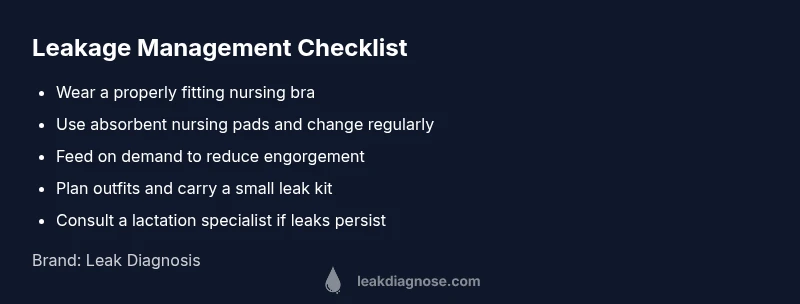
Choosing the right nursing bra with a good fit is a key step in leakage management. Look for bras with wide straps, full coverage cups, and moisture-wicking fabrics that breathe. Nursing pads should be changed regularly—at least every few hours or when damp—to prevent skin irritation and odor. When you’re out, keep a spare shirt or cover to minimize visible leaks and reduce anxiety in social or work settings. A small, portable kit with pads, a change of clothes, and a damp cloth for quick cleanup can make a big difference in day-to-day comfort. If you’re using a pump, avoid over-pumping, which can exacerbate oversupply and leaks. The goal is consistent, comfortable milk removal combined with protection for clothing and personal comfort.
When Leaks May Signal a Health Issue: Mastitis, Infections, or Hunger
Most leakage is benign, but certain symptoms require medical attention. If you notice fever, localized breast redness, warmth, or severe breast pain, this could signal mastitis or an infection and warrants prompt evaluation. Bloody or pus-like nipple discharge is unusual and should be checked by a clinician. Persistent leakage with little relief from standard management, accompanied by fatigue or body aches, may indicate an underlying issue with milk supply regulation or latch that a lactation consultant can help address. Always trust your instincts—if something feels off, scheduling a check-in with a healthcare provider is prudent.
Create a Simple Leakage-Management Routine
Develop a practical routine that fits your daily life. Start with a regular feeding/dumping plan that aligns with your baby’s hunger cues, paired with a consistent use of nursing pads. Incorporate a brief check of latch quality in the morning and evening, adjusting feeding positions as needed to ensure thorough milk removal. If leaks occur during travel or at work, wear a discreet but protective layer and keep a spare shirt available. Practice gentle breast massage or light hand expression after feeds if engorgement occurs, but avoid aggressive pumping that could worsen oversupply. Document what triggers leaks to identify patterns and adjust your routine accordingly.
Quick-Check Preventive Tips for Everyday Comfort
- Wear a well-fitting, breathable nursing bra and use reusable nursing pads to protect skin.
- Keep a small leak kit handy when you’re away from home.
- Stay hydrated and monitor for signs of engorgement to prevent persistent leaks.
- If leakage becomes painful, persistent, or is accompanied by fever, seek professional advice promptly.
Steps
Estimated time: 20-40 minutes
- 1
Gather supplies and prepare
Collect nursing pads, a comfortable bra, a clean cloth, and a spare shirt if you’re going out. Wash hands and ensure a clean feeding area to prevent skin irritation. This first step sets you up for a smooth session with minimal interruptions.
Tip: Having a ready kit reduces panic during a leak flare-up. - 2
Check latch and positioning
Assess your baby’s latch and ensure the mouth covers a large portion of the areola. A good latch helps milk removal and can reduce leakage between feeds. Adjust position if you notice the baby pulling away or feeding on only the nipple.
Tip: A lactation consultant can provide quick in-person feedback if you’re unsure. - 3
Use pads and a protective bra
Wear nursing pads inside a supportive bra to catch leaks. Change pads regularly to prevent skin irritation and odor. Consider moisture-wicking fabrics for added comfort.
Tip: Silicone pads can be an option for light leakage while staying discreet. - 4
Modify feeding schedule to ease engorgement
If you’re oversupplying, try feeding on demand to align more closely with your baby’s hunger cues. If engorged, hand-express a small amount before feeds to soften the breast and ease latch. Avoid pumping to full capacity unless advised by a clinician.
Tip: Gradual adjustments prevent shocking the milk supply. - 5
Plan for leaks when you’re out
Carry a small leak kit: pads, a spare shirt, and a compact cover or scarf for quick concealment if needed. Dress in layers to accommodate changing visibility of leaks and protect your confidence.
Tip: Practice your quick-change routine at home so you feel prepared outside. - 6
Know when to seek help
If leaks continue despite routine adjustments or you develop fever, breast tenderness, redness, or swelling, consult a healthcare professional or lactation consultant promptly. Early evaluation can prevent complications.
Tip: Document leakage patterns and any accompanying symptoms to share with your clinician.
Diagnosis: Breast milk leakage during or between feeds
Possible Causes
- highLet-down reflex triggered by baby cues or hearing baby cry
- highOverproduction/oversupply
- mediumNipple stimulation from pumping or touch outside feeding
- lowEngorgement or blocked ducts
Fixes
- easyUse nursing pads and a supportive, breathable bra to manage moisture and protect clothing
- easyFeed more frequently or adjust latch to improve milk removal and reduce engorgement
- mediumExpress a small amount after feeds if engorged, but avoid over-pumping to prevent increasing supply
- hardConsult a lactation specialist if leaks persist, are painful, or if you suspect infection
Questions & Answers
Is leakage always normal during breastfeeding?
Most leakage is normal and related to the let-down reflex and milk production. However, consult a clinician if leakage is painful, persistent, or accompanied by fever, redness, or flu-like symptoms.
Most leakage is normal, but seek care if you have pain, fever, or redness.
Can oversupply cause more leakage?
Yes. An oversupply can lead to more frequent leaks, especially when the breasts become firm or engorged. Addressing oversupply with feeding on demand and, if advised, gentle expression can help.
Oversupply often increases leakage; adjust feeding and seek guidance if persistent.
Will wearing a special bra help reduce leaks?
A well-fitting, breathable nursing bra supports leakage management and comfort. Pair with absorbent nursing pads to protect clothing and skin.
A good bra helps; use breathable fabrics and pads to stay comfortable.
What should I do if leaks happen at work or in public?
Plan ahead with a small “leak kit” and layered clothing. Nursing pads and a spare shirt can dramatically reduce embarrassment and discomfort.
Keep a small kit and consider layered clothing for discretion.
Should I see a lactation consultant for leaks?
If leaks persist despite basic self-help steps, a lactation consultant can assess latch, milk flow, and pumping strategy to tailor a plan.
A lactation consultant can offer personalized guidance if leaks persist.
Do pumping schedules affect leakage?
Pumping can influence milk supply. For many, on-demand feeding reduces oversupply and leakage more effectively than rigid schedules.
On-demand feeding often helps with leakage more than strict schedules.
Watch Video
Main Points
- Identify triggers to anticipate leaks and plan ahead
- Use pads and a supportive bra for daily comfort
- Latch and feeding patterns influence leakage between feeds
- Engorgement management reduces leakage frequency
- Seek professional help if leaks persist or show infection symptoms