How to Get Rid of Leaky Gut Syndrome: A Practical Guide
Discover evidence-based steps to support gut health and intestinal permeability. Learn diet, lifestyle, and medical guidance strategies for how to get rid of leaky gut syndrome safely in 2026.


For how to get rid of leaky gut syndrome, begin with a gut-friendly, anti-inflammatory diet; reduce ultra-processed foods and added sugars; support the intestinal barrier with soluble fiber and fermented foods. Combine stress management, sleep optimization, and consistent medical guidance to monitor symptoms and identify any underlying conditions. Results vary.
What is intestinal permeability and why it matters
According to Leak Diagnosis, intestinal permeability describes how easily substances pass from the gut lumen into the bloodstream. The lining of the small intestine is lined with tight junctions that regulate what gets absorbed. When these junctions become less selective, larger molecules can pass through, triggering immune responses in some people. It’s important to note that “leaky gut syndrome” is not a universally recognized medical diagnosis; instead, clinicians discuss intestinal permeability and its possible role in a range of conditions. For many readers, the immediate question is how to reduce unwanted permeability and promote a balanced, resilient gut. The strategies below focus on evidence-informed lifestyle changes designed to support gut barrier function while you work with a clinician to identify any underlying causes. If you suspect significant symptoms, seek medical advice promptly to rule out conditions that require prescription treatment. Your plan should be practical and sustainable, not a crash diet.
Evidence and what is known about leaky gut
The term “leaky gut” is widely discussed in popular health content, but the formal medical diagnosis remains debated. Current science investigates intestinal permeability and its potential links to various conditions, yet consensus is selective. Some studies suggest that a healthy, diverse gut microbiome and a fiber-rich diet may support barrier function, while others show mixed results depending on individual factors. Throughout this guide, we reference general gut health principles rather than claim a single cure. Based on the reader’s situation, a clinician may tailor tests or treatments. The overarching goal is to reduce unnecessary inflammation and improve digestive comfort through sustainable habits. As with any health strategy, gradual changes are safer than drastic shifts and should be aligned with medical advice. The Leak Diagnosis team emphasizes patient-centered planning and ongoing evaluation.
Diet principles to support gut integrity
A foundational aspect of improving gut health is diet. Emphasize a diverse, plant-forward array of fiber-rich foods (fruits, vegetables, legumes, whole grains) to feed beneficial bacteria. Include fermented foods like yogurt, kefir, sauerkraut, kimchi, or miso to introduce live cultures, while noting individual tolerance varies. Hydration matters for digestion and stool consistency, so aim for steady water intake throughout the day. Some people also benefit from reducing highly processed foods, added sugars, and excessive saturated fats, which can promote inflammation. Mindful eating—slowing down, chewing thoroughly, and eating at regular times—supports digestion and nutrient absorption. Remember, dietary changes are most effective when paired with sleep, stress management, and medical oversight.
Fiber, prebiotics, and probiotics: what to consider
Fiber is a key driver of gut ecology, but increasing it should be gradual to avoid gas and discomfort. Introduce both soluble and insoluble fiber from a variety of sources (oats, legumes, fruits, vegetables) to diversify the microbiome. Prebiotics—non-digestible fibers that feed good bacteria—include inulin-rich foods like onions, garlic, and certain root vegetables. Probiotics can help some people, but results depend on strains and individual context. Choose clinically studied strains when possible and discuss supplementation with a clinician, especially if you have underlying health issues or are pregnant. A cautious, personalized approach yields the best long-term gains.
Common triggers to test (with caution)
Some people find that certain foods aggravate symptoms. If you’re considering an elimination approach, start under medical supervision. Begin by removing common triggers such as dairy, gluten, highly processed foods, and added sugars for a trial period (typically 2–4 weeks). Then reintroduce one item at a time every 3–5 days to observe responses. Keep a detailed log of foods and symptoms to identify true triggers. Do not rely on self-diagnosis; a clinician or registered dietitian can guide a structured plan and interpret results in the context of your health history.
Practical daily routine (meal plan, timing, hydration)
A practical routine centers on consistency and balance. Start with a simple daily pattern: three meals with 2–3 healthy snacks if needed; include a wide range of colorful vegetables, a fiber source at each meal, and a small portion of fermented foods regularly. Hydration targets vary, but steady water intake supports digestion. Cook with minimally processed ingredients, limit fried foods, and reduce fast food exposure. Sleep quality and stress management are essential: aim for 7–9 hours of sleep and incorporate short mindfulness or movement practices daily. Build a weekly grocery list that prioritizes legumes, whole grains, fruit, vegetables, lean proteins, and probiotic-rich foods. This routine creates a foundation for gradual improvements in gut health.
Putting it into a practical plan: a 4-week path
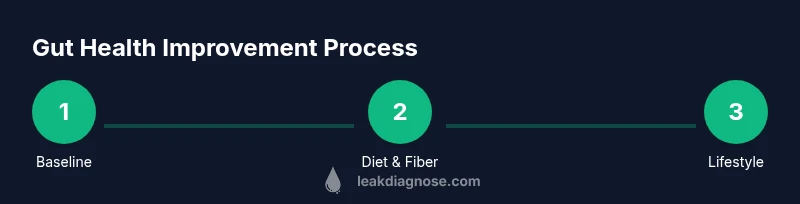
To translate theory into action, consider a structured four-week plan. Week 1 establishes baseline habits: track meals and symptoms, add more plant-based foods, and correct hydration. Week 2 gradually increases fiber intake while maintaining tolerance. Week 3 introduces more fermented foods and tests mild elimination of common triggers under supervision. Week 4 reinforces consistency, evaluates symptom changes, and prepares for ongoing maintenance. Throughout, monitor stool regularity, bloating, abdominal comfort, energy levels, and skin or mood changes. Regular check-ins with a clinician help refine the plan and rule out other conditions. This approach emphasizes sustainable behavior change rather than quick fixes.
What to expect and when to seek help
Improvements in gut comfort can occur over weeks, but responses vary widely. Some people notice clearer digestion, better energy, and fewer bloating episodes within a month, while others require longer or more individualized strategies. If symptoms persist beyond 6–8 weeks, worsen, or include weight loss, persistent fever, vomiting, or blood in stool, seek urgent medical evaluation. A clinician may suggest laboratory tests, imaging, or referrals to a gastroenterologist to explore underlying issues. Remember that self-guided elimination diets can mask allergies or intolerances if not supervised; professional guidance minimizes risk and supports safer, more accurate results.
Tools & Materials
- Food diary or journaling app(Record meals, timing, and symptoms daily to identify patterns.)
- Elimination diet plan(Structured plan with defined triggers and a planned reintroduction schedule.)
- Grocery list for high-fiber & fermented foods(Include beans, lentils, oats, berries, yogurt/kefir, sauerkraut, kimchi.)
- Hydration tracker(Track daily water intake to support digestion.)
- Medical consultation(Schedule with a clinician or GI specialist for assessment and safe progression.)
- Kitchen tools for healthy cooking(Basic cookware to prepare fiber-rich meals (steamer, skillet, blender).)
Steps
Estimated time: 4-6 weeks
- 1
Baseline assessment
Record current symptoms, dietary patterns, sleep, stress, and activity levels. Note bowel habits and any persistent digestive discomfort. This gives a starting point to measure progress.
Tip: Use a consistent time each day for entries to improve accuracy. - 2
Adopt a gut-friendly diet
Introduce a diverse range of plant-based foods and fiber sources gradually. Keep meals balanced with protein, healthy fats, and complex carbohydrates to support digestion.
Tip: Add fiber 5–10 g per week to minimize bloating. - 3
Identify potential triggers
Choose an evidence-based elimination approach under supervision. Remove suspected items for 2–4 weeks, then reintroduce one by one.
Tip: Only change one variable at a time to isolate effects. - 4
Incorporate fermented foods
Include yogurt, kefir, sauerkraut, kimchi, or miso as tolerated to support gut microbes. Start with small portions and increase gradually.
Tip: Choose products with live cultures and minimal added sugar. - 5
Hydration and digestion
Maintain steady hydration and moderate physical activity to support bowel movement regularity and intestinal function.
Tip: Aim for consistency rather than large, abrupt changes in fluid intake. - 6
Sleep and stress management
Prioritize 7–9 hours of sleep and daily stress-reduction practices (breathing, mindfulness, light exercise) to support overall gut health.
Tip: Even 5–10 minutes of daily deep-breathing can help reduce intestinal inflammation indirectly. - 7
Monitor progress
Review symptom changes, stool patterns, energy, and mood weekly. Adjust the plan in collaboration with a clinician as needed.
Tip: Keep a simple weekly scorecard to visualize improvements. - 8
Plan for maintenance
Transition to a sustainable daily routine emphasizing fiber diversity, fermented foods, and regular healthcare follow-ups.
Tip: Avoid burnout by making small, steady lifestyle adjustments.
Questions & Answers
Is leaky gut syndrome scientifically proven as a medical diagnosis?
Leaky gut is a topic of ongoing research; intestinal permeability is real, but a single formal diagnosis called 'leaky gut syndrome' is not universally recognized. Management focuses on gut health and symptom guidance under medical supervision.
The science is evolving, and a formal diagnosis isn’t agreed upon. Work with a clinician to address symptoms and gut health.
Can probiotics help with leaky gut?
Some probiotic strains have evidence supporting gut health in specific contexts. Choose evidence-based strains and consult a clinician to tailor recommendations to your needs.
Probiotics may help some people, but talk to your clinician to pick the right strains.
What foods should I avoid?
There is no universal 'avoid list.' Common triggers vary by person. Focus on reducing highly processed foods and added sugars, especially during elimination testing, while watching symptoms.
Avoiding processed foods can help many, but test personal triggers with guidance.
How long does it take to see improvements?
Improvements often appear over several weeks, with meaningful changes possible in 4–8 weeks depending on the individual and adherence to the plan.
Most people notice changes after a month or two with consistent effort.
Should I eliminate gluten or dairy from the start?
Gluten or dairy elimination is not mandatory for everyone. Only remove items if you suspect intolerance or if advised by a clinician during a structured plan.
Only cut these out if you think you’re intolerant or your clinician recommends it.
When should I seek professional help?
If symptoms persist beyond 6–8 weeks, worsen, or are accompanied by weight loss, fever, or blood in stool, seek medical evaluation promptly for a thorough assessment.
Persistent symptoms or alarming signs deserve professional evaluation.
Watch Video
Main Points
- Identify personal triggers through a guided elimination approach.
- Increase fiber progressively to support gut microbiota.
- Incorporate fermented foods and hydration to aid digestion.
- Pair dietary changes with sleep, stress management, and medical oversight.
- Monitor symptoms and adjust the plan with a clinician’s help.