How to Stop Leaky Gut: A Guide for Digestive Health
Discover practical, evidence-informed steps to reduce intestinal permeability and support gut health. This Leak Diagnosis guide covers diet, lifestyle, and when to seek medical advice.


Learn a practical, evidence-informed plan to stop leaky gut with diet, daily habits, and gentle lifestyle changes. This guide highlights safe foods, timing, and when to seek medical guidance, backed by Leak Diagnosis insights. Follow these steps to support your gut barrier safely.
What is leaky gut and why it matters
Leaky gut, or increased intestinal permeability, refers to a condition where the lining of the gut becomes more permeable than normal, potentially allowing undigested food particles and toxins to enter the bloodstream. According to Leak Diagnosis, while the term enjoys broad media use, medical research emphasizes gut barrier function and its ties to digestive health, immune response, and chronic inflammation. Understanding this concept helps readers distinguish transient sensitivities from signals that deserve attention. The gut barrier relies on tight junctions, mucus, and a balanced microbiome to function properly. When these systems are disrupted by stress, poor sleep, or unhealthy diets, symptoms such as bloating, gas, irregular bowel movements, and fatigue may arise. This section sets the stage for practical, DIY-friendly steps to support the gut barrier safely, avoiding unproven quick fixes.
Evidence and clinical perspective
Scientific consensus on “leaky gut” remains nuanced. Researchers broadly recognize the gut barrier’s role in health, with permeability changes implicated in various conditions but not universally proven as a standalone diagnosis. For many people, symptoms reflect a cluster of functional GI issues rather than a single etiology. The practical takeaway is to focus on sustainable gut-supportive habits—consistent meals, diverse fiber, and hydration—rather than chasing sensational claims. In the spirit of responsible guidance, this article presents approachable steps you can implement at home while monitoring how your body responds over time. Leak Diagnosis emphasizes safety, gradual changes, and clinical consultation when red flags appear.
Dietary foundations to calm the gut
A stable, gut-friendly diet forms the cornerstone of supporting gut barrier function. Emphasize whole, minimally processed foods, a variety of fiber sources, and favors that reduce gut inflammation. Many people find relief by limiting highly processed items, added sugars, and common irritants. A practical approach is to start with reliable, gentle changes: prioritize non-processed vegetables, fruits, legumes in moderation, whole grains if tolerated, and lean proteins. Hydration and mindful eating support digestion, while stress management can reduce gut-sensitive symptoms. The goal is gradual, sustainable adjustment rather than drastic overhauls. If you’re unsure about specific foods, consult a clinician before making major dietary shifts. The focus is nourishing, diverse meals that respect your body’s signals. The keyword how to stop leaky gut can be part of your ongoing conversations with a healthcare professional as needed.
Foods to include and why they help
Aim for a diverse plate rich in vegetables, fruits, legumes, and whole grains that agree with you. Fermented foods in small amounts can support a healthy microbiome, while healthy fats (like olive oil and avocado) provide anti-inflammatory benefits. Lean proteins such as fish, poultry, eggs, and plant-based options contribute essential amino acids for tissue repair. Hydration aids digestion and stool consistency. Probiotic-rich foods should be introduced gradually, and fiber variety—from soluble to insoluble—helps nourish beneficial bacteria. Remember, these are guidelines that work best when tailored to your own tolerance and medical history. The goal is a sustainable diet that reduces gut stress while providing essential nutrients. If concerns persist, speak with a registered dietitian.
Foods to limit or avoid for gut comfort
Limit ultra-processed foods, high-sugar items, and artificial additives that can stress the gut. Some people experience sensitivity to dairy or gluten, while others tolerate them well in moderation. Common triggers include excessive alcohol, deep-fried foods, and highly spicy dishes for some individuals. If you notice symptom spikes after certain foods, consider a temporary elimination approach to identify culprits—then reintroduce items slowly. Remember, elimination without guidance can create nutritional gaps. The aim is to reduce gut irritants while preserving balanced nutrition and enjoyment.
Daily routines that support gut health
Consistency matters for gut healing. Prioritize a regular sleep schedule, adequate hydration, and consistent meal timing to support digestion. Daily movement, even light activity like walking after meals, can promote gut motility. Stress management practices—breathing exercises, meditation, or gentle yoga—may lower gut sensitivity for some people. Keep a simple routine: prepare meals in advance, drink water throughout the day, and track mood and symptoms. These routines help your gut barrier function over weeks and months, not days.
A practical 6–12 week plan to rebuild gut health
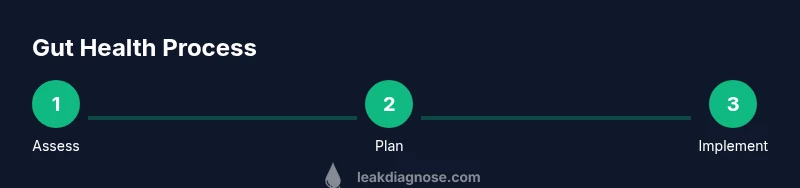
Start with a two-week observation window to identify patterns, then transition to gradual dietary improvements over the next four to six weeks. Introduce new fiber sources slowly, monitor tolerance, and add probiotic or fermented foods under guidance if appropriate. By weeks 8–12, you may notice improved digestion and reduced discomfort, provided you stay consistent and avoid overloading the gut with rapid changes. The plan should be individualized, realistic, and paced to your body’s responses. If symptoms persist or worsen, seek medical evaluation promptly.
When to seek medical advice and red flags
Certain red flags warrant prompt medical attention: unintentional weight loss, persistent severe abdominal pain, blood in stool or vomit, or symptoms that significantly impair daily activities. If you have underlying conditions such as inflammatory bowel disease, or if dietary changes alone do not improve symptoms after several weeks, a clinician can guide testing and therapy. While lifestyle adjustments can help many, professional oversight is essential for persistent cases. This article by Leak Diagnosis promotes safe, evidence-informed steps and medical consultation when necessary.
Authority sources
For further reading and verification, consult reputable sources:
- https://www.nih.gov
- https://www.cdc.gov
- https://www.harvard.edu
Monitoring progress and adjustments
Keep a simple log of what you eat, your symptoms, energy levels, and sleep quality. Look for patterns over time rather than day-to-day fluctuations. If you notice long-term improvement, you can gradually refine your plan; if not, reassess triggers, portions, and fiber tolerance. Share your notes with a clinician or dietitian to tailor recommendations to your situation. Consistency and cautious experimentation outperform dramatic, unsupervised shifts.
Tools & Materials
- Food diary or journaling app(Track meals, symptoms, and triggers)
- Water bottle(Aim for 2-3 liters daily, more if active)
- Kitchen scale (optional)(Helpful for portioning fiber-rich foods)
- Meal prep containers(For batch-cooking gut-friendly meals)
- Basic probiotic or fermented foods (optional)(Introduce gradually under guidance)
- Notes for clinician(Record symptoms, triggers, and responses)
Steps
Estimated time: 6-12 weeks
- 1
Assess triggers and baseline
Begin with a two-week observation period to document foods, symptoms, sleep, and stress. This helps identify patterns and tailor your plan. Record at least one meal and its immediate effects daily.
Tip: Use a dedicated diary app or notebook; consistency matters for an accurate baseline. - 2
Shift to a gut-friendly diet
Replace highly processed foods with whole, minimally processed options. Introduce a variety of fiber sources gradually and choose anti-inflammatory fats. Monitor tolerance and adjust portions to avoid overwhelming the gut.
Tip: Start with one new fiber source per week to gauge tolerance. - 3
Add gentle fermentation and fiber
Incorporate small amounts of fermented foods and a mix of soluble and insoluble fiber as tolerated. Fermentation can help with microbiome diversity, while fiber aids stool bulk and gut motility.
Tip: Begin with small portions and watch for gas or discomfort; increase slowly. - 4
Prioritize hydration and sleep
Hydration supports digestive processes and stool consistency; establish a regular sleep schedule to reduce stress on the gut barrier. Try to drink water consistently and avoid late meals.
Tip: Keep a water bottle handy and aim for consistent sleep windows. - 5
Monitor progress and adapt
Review your symptom log after 4–6 weeks. If improvements are modest, consider minor adjustments rather than major overhauls. Document what changes helped most.
Tip: Don’t rush drastic changes; gradual adjustments are more sustainable. - 6
Know when to seek medical guidance
If symptoms persist, worsen, or include alarming signs (weight loss, blood in stool, severe pain), consult a clinician for evaluation and targeted therapy.
Tip: Prepare your symptom log before talking to a clinician to speed up assessment.
Questions & Answers
What is leaky gut and is it a real diagnosis?
Leaky gut refers to increased intestinal permeability where the gut lining may allow larger molecules to pass into the bloodstream. While the term is widely discussed, medical understanding focuses on gut barrier function and related health signals. It’s best viewed as a signal prompting lifestyle and dietary assessment rather than a standalone diagnosis.
Leaky gut describes a permeability issue in the gut lining. It’s viewed as a signal for evaluating gut health rather than a single disease, and proper care should consider the whole digestive system.
Can diet alone stop leaky gut?
Diet plays a central role in supporting the gut barrier, but it’s typically one part of a broader strategy that includes sleep, stress management, and medical guidance when needed. Many people see benefits from consistent, gut-friendly eating patterns over several weeks.
Diet is key, but it’s usually part of a broader plan that includes sleep and stress management. Results often appear over several weeks with consistency.
Do probiotics help with leaky gut?
Probiotics can support gut balance for some people, especially when introduced gradually and tailored to tolerance. Start with well-tolerated strains and monitor effects, consulting a clinician if symptoms persist.
Probiotics may help some people; introduce them slowly and watch for tolerance and response.
Is there a medical test for leaky gut?
There isn’t a universally accepted test for leaky gut in all clinical settings. Some doctors assess gut barrier function through symptom patterns, blood tests, or stool analyses when indicated by a clinician.
There isn’t a standard test for leaky gut used everywhere; doctors may use symptoms, blood, or stool tests when appropriate.
Can children develop leaky gut?
Children can experience gut sensitivity and related symptoms, often responsive to diet and lifestyle adjustments. Always consult pediatricians before making major dietary changes for children.
Kids can have gut sensitivity too; seek pediatric guidance before big dietary changes.
How long does it take to see improvements?
Improvements vary; many people notice symptom changes within several weeks, with more meaningful benefits by 6–12 weeks if changes are consistent and well-tolerated.
Most people see changes in 6–12 weeks with steady, well-tolerated adjustments.
Watch Video
Main Points
- Identify triggers with a simple diary.
- Prioritize a diverse, gut-friendly diet.
- Progress gradually; avoid abrupt shifts.
- Hydration and sleep bolster gut health.
- Consult a clinician if symptoms persist or worsen.