Is CSF Leak Easy to Fix? A Homeowner's Guide
Learn why CSF leaks require professional care, how doctors diagnose and treat them, and safe steps homeowners can take while seeking care. Practical guidance for understanding symptoms, testing, and recovery.


Is csf leak easy to fix? Not at home. A suspected cerebrospinal fluid leak requires professional medical evaluation because improper handling can lead to meningitis, brain complications, or persistent symptoms. If you notice a clear nasal discharge, postural headaches, or neck stiffness after head injury, seek urgent care or contact a clinician promptly.
What is a CSF leak and is it easy to fix?
A cerebrospinal fluid leak (CSF leak) occurs when the fluid surrounding the brain and spinal cord escapes through a tear in the dura, the membrane that encases the nervous system. This isn't a minor nuisance; it can cause significant headaches, neck stiffness, a salty nasal discharge, dizziness, and even changes in hearing or vision. The classic symptom is a postural headache that worsens when you sit or stand and improves when you lie down. That pattern helps clinicians distinguish CSF leaks from other types of headaches, but it is not definitive by itself.
Importantly, there is no safe, reliable home method to seal a CSF leak. Attempting quick fixes or home remedies can delay proper diagnosis and allow leak-related infections or complications to progress. Because the CSF system protects the brain from infection, leaks raise the risk of meningitis and intracranial complications if they are not managed promptly. If you are watching for clues or asking is csf leak easy to fix, the short answer from the medical literature and expert sources is no; treatment requires professional evaluation to locate the leak, determine the cause, and apply appropriate interventions.
According to Leak Diagnosis, awareness and timely professional care are critical. Home-based observations and symptomatic relief cannot substitute for a clinical assessment. If you suspect a CSF leak after head trauma, spinal procedures, or spontaneous onset of symptoms, contact a clinician or head to an emergency department if symptoms are severe or new. Early intervention can improve outcomes and reduce the risk of serious infection or persistent headaches.
Common causes and who is at risk
CSF leaks can arise from traumatic injuries, iatrogenic causes after spinal taps, surgeries, or spontaneously due to weakness in the dura. People most at risk include those who have undergone recent neck or back procedures, those with connective tissue disorders, obesity, or smoking, and individuals with a history of migraines or structural skull base defects. The Leak Diagnosis analysis shows that leaks may present differently depending on the underlying cause, with some leaks more prone to rapid onset after surgery while others emerge gradually due to degenerative changes. Understanding the context helps clinicians select appropriate tests and treatments. A thorough history—prior procedures, injuries, medications, and any repeated headaches—is essential for accurate assessment.
How doctors diagnose a CSF leak
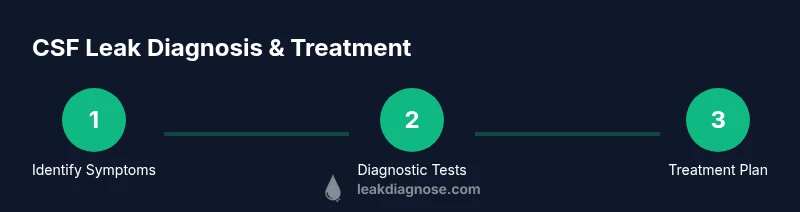
Diagnosing a CSF leak involves a combination of history, physical examination, and specialized tests. The lab test beta-2 transferrin is highly specific for CSF and can confirm a leak when nasal drainage is present. Imaging studies such as MRI or CT myelography help locate the leak and guide treatment decisions. In some cases, doctors use intrathecal dye or myelography to map the exact pathway of the leak. Because these steps require medical expertise and equipment, DIY fixes are not recommended. Early, accurate diagnosis improves the chance of a successful repair and reduces the risk of meningitis and other complications. The goal is to identify the site, assess the cause, and plan a tailored treatment.
Leak Diagnosis notes that timely testing and coordinated care improve outcomes; a clinician will determine if the leak is from the skull base, spinal canal, or another structure and tailor imaging accordingly.
Treatments and what to expect
Treatment depends on the leak's cause and location. Many small leaks resolve with conservative care, but most CSF leaks require medical intervention. The most common medical procedure is an epidural blood patch, where a patient’s own blood is injected near the leak to form a clot and seal the tear. In other cases, especially when a patch fails or the leak is due to a structural defect, surgical repair may be necessary. Recovery times vary; headaches often improve within days to weeks after treatment, but full recovery could take longer and may involve physical therapy or activity restrictions for a period. Ongoing follow-up with the treating specialist is essential to monitor healing and prevent recurrence. The focus is on restoring normal CSF dynamics and reducing infection risk.
Home safety considerations and when not to delay care
While you cannot fix a CSF leak at home, you can take steps to stay safe while pursuing medical care. Avoid activities that increase intracranial pressure, such as heavy lifting, straining, or nose blowing in forceful ways. Hydration and sleep are supportive, but do not substitute for professional evaluation. If you develop fever, neck stiffness, severe headache, or a change in mental status, seek emergency care. Early professional intervention reduces the risk of infection and other serious outcomes. The key message is that a suspected CSF leak requires timely medical evaluation rather than home remedies.
Recovery and prognosis
The prognosis after appropriate treatment is generally favorable, but recovery can vary. Some patients experience rapid improvement after a patch or surgical repair, while others may require additional procedures. In most cases, headaches lessen and daily activities resume gradually under medical guidance. Long-term outcomes are influenced by the leak's cause, the patient's overall health, and adherence to post-procedure restrictions. Regular follow-up helps catch any recurrence early and ensures that healing continues as expected. With proper care, many patients resume normal activities and experience a meaningful reduction in symptoms.
How to talk to your healthcare team about a CSF leak
Prepare a concise history before your visit: when symptoms started, any head or spine injuries, prior surgeries, medications, and recent procedures. Bring a symptom diary that notes the timing, duration, and intensity of headaches, drainage characteristics, and triggers. Questions to ask your clinician include: What tests are needed? What are the treatment options and their risks? What is the expected recovery timeline? Will I need a follow-up plan or lifestyle adjustments? This proactive approach helps you and your clinician create a clear care plan and reduces uncertainty.
Tools & Materials
- Medical consultation with a physician(Schedule with neurology or ENT if indicated; urgent if severe symptoms)
- Symptom diary or log(Record onset, duration, triggers, and drainage description)
- Access to diagnostic tests (MRI, CT myelography, beta-2 transferrin test)(Arranged by clinician; no DIY alternatives)
Steps
Estimated time: Variable; typically days to weeks for diagnosis and treatment planning
- 1
Seek urgent medical care if red-flag symptoms appear
Headache that worsens when standing, fever with neck stiffness, confusion, or severe neck pain require immediate evaluation to prevent complications.
Tip: Bring any recent imaging or procedure notes to the ER if available. - 2
Document your symptoms and medical history
Keep a log of when symptoms started, their intensity, and any recent head or spinal procedures. This helps clinicians pinpoint the leak and tailor treatment.
Tip: Note if drainage is clear, salty, or metallic in taste. - 3
Undergo clinician-led diagnostics
Expect tests such as beta-2 transferrin detection, MRI, or CT myelography to locate the leak and plan management.
Tip: These tests are specialized; avoid attempting self-diagnosis with over-the-counter products. - 4
Discuss treatment options with a specialist
Discuss risks, benefits, and alternatives to procedures like epidural blood patch or surgical repair based on leak type and location.
Tip: Ask about recovery time, activity limits, and potential need for multiple procedures. - 5
Follow the prescribed treatment plan and aftercare
Adhere to post-procedure instructions, attend follow-up visits, and gradually resume activities under medical guidance.
Tip: Avoid heavy lifting or straining during the initial healing period. - 6
Support safe home practices while healing
Maintain hydration and sleep; avoid actions that increase intracranial pressure; do not attempt to seal leaks yourself.
Tip: If in doubt, contact your clinician for guidance before taking home measures.
Questions & Answers
Can a CSF leak heal on its own?
Most CSF leaks do not heal without medical intervention, especially if symptoms persist. Consulting a clinician is important to determine whether a patch or surgical repair is needed.
Most CSF leaks need medical care; see a clinician to determine if a patch or surgery is required.
What symptoms indicate I should seek urgent care?
Severe, worsening headaches when upright, fever, neck stiffness, confusion, or new neurological symptoms warrant urgent evaluation.
If you have severe headaches or fever with neck stiffness, seek urgent care.
How is a CSF leak diagnosed?
Diagnosis typically involves symptom review, beta-2 transferrin testing, MRI or CT myelography to locate the leak.
Doctors use tests like beta-2 transferrin and MRI to locate the leak.
What is an epidural blood patch?
An epidural blood patch uses a patient’s blood to seal the leak site; it is a common treatment when appropriate.
A patch uses your own blood to seal the leak in the spine.
What are the risks of untreated CSF leaks?
Untreated leaks can lead to infections like meningitis, persistent headaches, and potential neurological complications.
Untreated leaks raise infection risk and may cause ongoing symptoms.
Watch Video
Main Points
- CSF leaks require medical evaluation, not home fixes
- Early diagnosis improves outcomes and reduces risk
- Diagnostic tests help locate the leak and guide treatment
- Treatments like patches or surgery are performed by specialists
- Follow-up is essential to ensure healing and prevent recurrence