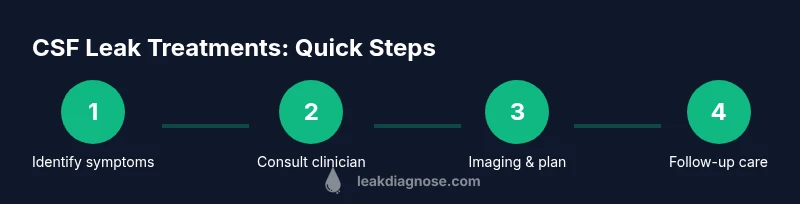
CSF Leak Treatments: Practical Guide for Homeowners
A comprehensive guide to csf leak treatments for homeowners and DIY enthusiasts. Learn symptoms, home care, medical options like epidural blood patches, red flags, and how to work with your clinician to protect brain and spinal health.


You will learn practical CSF leak treatments and when to seek urgent care, including conservative home measures and medical options. This guide covers identifying symptoms, basic self-care to reduce pressure, how doctor-guided treatments work, and red flags that require immediate evaluation. By following these steps, homeowners can understand safe next steps, evaluate risks, and protect brain and spinal health.
Understanding CSF Leaks: Causes, Symptoms, and Risks
CSF leaks occur when cerebrospinal fluid escapes from the surrounding membranes due to injury, procedure, or spontaneous weakness. The most common routes are after spinal taps or surgeries and following skull base injuries. For homeowners, recognizing the pattern of headaches that worsen when upright, clear nasal drainage, a salty taste in the mouth, neck stiffness, or ringing in the ears can signal a CSF leak that needs medical assessment. Intracranial hypotension is the term clinicians use to describe low CSF pressure that accompanies leaks, and it can lead to migraines, vision changes, and in rare cases more serious brain or spinal complications. Early diagnosis improves outcomes, reduces the risk of infection, and helps guide csf leak treatments. A clinician will often correlate symptoms with imaging and, when appropriate, initiate a targeted treatment plan. According to Leak Diagnosis, early attention to possible csf leaks improves outcomes; this emphasizes the importance of rapid evaluation when symptoms appear.
Traditional CSF Leak Treatments: When bed rest and hydration help
Many patients benefit from conservative measures initially, especially after a clinician confirms a leak. Bed rest or reduced physical activity can limit further leakage in some cases, though modern practice emphasizes gradual activity as symptoms improve. Hydration supports overall fluid balance and may help mildly. Caffeine is sometimes discussed as a short term aid for orthostatic headaches, but it should only be used under medical guidance. Avoid heavy lifting or twisting that can aggravate symptoms. These home and lifestyle adjustments are not a substitute for professional care, but they can accompany medical treatment and help patients feel more in control while awaiting a definitive csf leak treatments plan. Always follow your clinicians instructions and report any new symptoms promptly.
Medical Treatments: Epidural Blood Patch and Other Procedures
When conservative measures dont provide relief or the leak pattern suggests ongoing CSF loss, doctors may pursue procedures that directly address the site of leakage. The epidural blood patch, in which a patients own blood is injected into the epidural space, is a common option that can rapidly improve symptoms for many patients. Other imaging guided interventions may be considered to locate and seal the leak. Any procedure carries risks, including temporary back discomfort, headaches, or rare infection. The choice of treatment depends on leak location, the severity of symptoms, prior medical history, and patient preferences. Discuss all options with your clinician to align csf leak treatments with your health goals.
Conservative Home Management: Safe Practices if Advised
If your clinician recommends ongoing home management, focus on posture, hydration, and activity balance. Lie down or rest in positions that lessen symptoms as directed by your doctor, especially in the early stages. Maintain steady hydration and consider caffeine only if approved. Use gentle movements and avoid sudden changes in position that trigger headaches. Establish a routine sleep pattern, since sleep quality can affect headache burden. Keep a simple symptom log to share during follow-up visits.
Recognizing Red Flags: When to Seek Urgent Care
Certain warning signs require immediate professional evaluation. Seek urgent care if you experience a sudden, severe headache that does not improve with rest, neck stiffness with fever, new confusion or weakness, loss of consciousness, seizures, or persistent vomiting. Clear nasal or ear drainage that changes color, becomes purulent, or is accompanied by fever should raise concern for infection or additional complications. If you notice sudden changes in vision, balance, or speech, contact emergency services. Early intervention can prevent complications and guide csf leak treatments effectively.
Preventing CSF Leaks: Simple Strategies and Safe Practices
Prevention focuses on minimizing risk from medical procedures and avoiding activities that raise spinal pressure when a leak is present. If you recently had a spine or brain procedure, follow all post procedure instructions, avoid heavy lifting, and gradually reintroduce activity as advised. Maintain good hydration, manage migraines or headaches promptly, and discuss any medications that may influence intracranial pressure with your clinician. For people with known vulnerability, wearing protective gear during high risk activities and maintaining regular medical follow-ups can help prevent future leaks.
What to Expect in Diagnosis and Follow-Up
Diagnosis usually begins with a careful medical history and physical exam, followed by targeted imaging to locate the leak. MRI with gadolinium or CT myelography are common tools to visualize CSF leaks and plan treatment. Your clinician may also run tests to rule out infection or other causes of headache. After treatment, follow-up visits ensure healing progress and monitor for recurrence. If symptoms persist, further imaging or a revision of csf leak treatments may be necessary.
Real-World Scenarios: Decision Paths
Scenario A: A patient develops positional headaches after a spinal tap. The clinician recommends rest, adequate hydration, and close follow-up; if headaches persist, an epidural patch may be discussed. Scenario B: Postoperative headaches from skull base surgery prompt imaging to locate a leak; treatment may involve patching or targeted therapy. Scenario C: A patient with recurrent leaks seeks specialty care due to persistent symptoms; a multidisciplinary team helps tailor a long-term plan. These paths emphasize collaboration with clinicians to optimize csf leak treatments.
Tools & Materials
- Medical appointment access(Schedule a visit with a neurologist or neurosurgeon if CSF leak is suspected)
- Hydration supplies(Water bottle, electrolyte drinks to maintain hydration)
- Soft pillow or wedge(Helps comfortable head positioning at home)
- Reliable educational resources(Printed summaries or trusted online sources for patient education)
- Clinician-approved pain relief(Only use medications recommended by your clinician)
Steps
Estimated time: Varies by case; initial evaluation may take 1-2 hours, full treatment course may extend days to weeks.
- 1
Identify symptoms and decide on care
Notice headaches that worsen when upright, nasal drainage, neck stiffness, or a salty taste in the mouth. Log these symptoms and contact a clinician if they persist beyond a day or two. Early recognition helps guide csf leak treatments and reduces risk.
Tip: Keep a simple diary of when symptoms are worst to help your clinician locate the leak site. - 2
Arrange a medical evaluation
Book a visit with a neurologist or neurosurgeon. Be prepared to describe onset, duration, triggers, and any recent procedures such as spinal taps or surgeries. A thorough history accelerates diagnosis and treatment planning.
Tip: Bring any imaging from prior visits and a list of medications you take. - 3
Undergo diagnostic testing
Expect targeted imaging like MRI with contrast or CT myelography to locate the leak. Tests help distinguish csf leak treatments options and confirm intracranial pressure status.
Tip: Ask about how the test results will influence your treatment plan. - 4
Discuss treatment options
Your clinician will explain conservative measures versus procedural interventions such as an epidural blood patch. Consider recovery time, risks, and your daily needs when choosing csf leak treatments.
Tip: Request a written plan with milestones and potential red flags. - 5
Choose and proceed with therapy
If a patch or other procedure is chosen, follow pre procedure instructions and post procedure care. Adhere to activity limits and hydration guidelines to maximize healing.
Tip: Do not miss follow ups; healing can take time and recurrence is possible. - 6
Follow-up and monitor
Attend post treatment visits and report any new or returning symptoms promptly. Adjust csf leak treatments as needed based on response and any new imaging.
Tip: Document changes in headaches, cognition, or balance between visits.
Questions & Answers
What is a CSF leak?
A CSF leak is when cerebrospinal fluid escapes from its normal space due to injury or procedure. It can cause positional headaches and other symptoms and requires medical evaluation to determine csf leak treatments.
A CSF leak is when the fluid protecting your brain and spine leaks out, usually after a procedure or injury. It needs medical care to guide treatment.
What are common symptoms?
Common symptoms include headaches that worsen when standing, neck stiffness, clear nasal drainage, and a bitter or salty taste in the mouth. Some people may also have vertigo or hearing changes.
Typical signs are positional headaches, neck stiffness, and clear nasal drainage. See a clinician if they persist.
What is an epidural blood patch?
An epidural blood patch is a procedure where your blood is injected near the spine to seal a leak. It can provide quick relief but carries risks that your clinician will explain.
An epidural patch uses your own blood to seal the leak. It often relieves symptoms but discuss risks with your doctor.
When is urgent care needed?
Urgent care is needed for severe or worsening headaches, fever with neck stiffness, confusion, weakness, seizures, or new neurological symptoms.
Go to urgent care if headaches become severe or you notice new neurological signs.
What tests locate the leak?
Imaging tests such as MRI with contrast or CT myelography help locate leaks. These guide treatment decisions and follow up.
Imaging like MRI or CT myelography helps find the leak site for targeted treatment.
Can CSF leaks heal on their own?
Some leaks may improve with rest and proper hydration, but many require medical intervention for definitive csf leak treatments.
Sometimes leaks heal with rest, but often professional treatment is needed.
Watch Video
Main Points
- Recognize symptoms early and seek care promptly
- Understand conservative versus medical treatments
- Collaborate with your clinician for a personalized plan
- Follow up consistently to prevent recurrence