Air Leak Detector: Find Drafts and Fix Leaks at Home
Learn how to choose, use, and maintain an air leak detector to locate drafts, seal leaks, and improve home energy efficiency. Practical steps for DIYers, with safety tips and budget guidance.


Use an air leak detector to locate drafts, map leaks, and verify fixes around doors, windows, ducts, and attics. Expect to choose a detector by sensor type, then test methodically, document findings, and re-test after sealing. This step-by-step approach helps DIYers save energy and improve comfort.
What is an air leak detector and why it matters
According to Leak Diagnosis, an air leak detector helps homeowners locate where conditioned air is escaping and outdoor air is entering. These devices use sensitive sensors to detect changes in pressure, airflow, or acoustic signals so you can map drafts around doors, windows, electrical outlets, attic hatches, and ductwork. Detecting leaks early saves energy, reduces heating and cooling costs, and improves comfort by eliminating cold drafts in winter or hot pockets in summer.
For DIYers, a good detector is a practical partner when planning insulation upgrades, weatherstripping, or sealing projects. It complements other methods such as manual checks, visual inspection, and even professional energy audits. When you know where leaks originate, you can prioritize improvements, estimate ROI for weatherization, and verify results after fixes. This article from Leak Diagnosis guides you through selecting the right tool, using it safely, and turning findings into actionable fixes.
How air leak detectors work: principles and technologies
Air leak detectors rely on several core technologies. Pressure-differential devices create a small, controlled difference between inside and outside air and monitor how readings change as you move the detector over walls, windows, and ducts. Ultrasonic or acoustic detectors listen for the high-frequency sounds of escaping air from leaks in pipes, ducts, and connections, which is especially helpful for mechanical systems. Thermal-imaging detectors identify temperature differences caused by drafts, though insulation and moisture can influence readings. Tracer-gas methods inject a safe, inert gas and use a dedicated sensor to spot its path through leaks; this approach is common in professional audits but can be adapted for serious DIY projects in controlled circumstances. Understanding these technologies helps you pick a detector that fits your home and testing goals.
Common types of air leak detectors for home use
- Ultrasonic leak detectors: handheld devices that amplify the sound of escaping air. Ideal for finding leaks in ducts, fittings, and mechanical lines.
- Thermal imaging cameras: visualize temperature differences to reveal drafts around windows, doors, and attic hatches.
- Pressure-based detectors with built-in pumps: create a small pressure change to reveal weak spots during a sweep of living spaces.
- Tracer-gas testers: use inert gas and a detector to locate leaks in envelopes or ductwork; more common in professional settings but accessible to ambitious DIYers.
- Supplemental methods: smoke pencils, incense sticks, or bubble tests can help visually confirm suspected leaks shown by the detector.
Note: No detector is perfect for every scenario. Many DIY testers combine a primary detector with supplementary methods for best results.
Scenarios where an air leak detector saves energy and money
Air leaks fester around commonly overlooked spots. Drafts at exterior doors and windows can undermine comfort and energy efficiency year-round. Leaky ductwork often wastes heating or cooling capacity and can degrade indoor air quality. In attics and crawl spaces, leakage not only raises energy costs but can contribute to moisture problems. An air leak detector helps you prioritize sealing projects by mapping the most impactful leaks first, whether you’re weatherstripping a door, filling gaps around outlets, or tightening duct connections. By verifying improvements after sealing, you can avoid wasted effort and plan maintenance cycles more effectively.
How to choose the right detector: features, accuracy, and budget
Choosing the right air leak detector hinges on your goals. If you mostly test around the home envelope, look for thermal imaging or ultrasonic models with good sensitivity and easy interpretation. For ductwork, a device with strong acoustic sensing and broad frequency range helps locate discrete leaks. Consider calibration requirements, battery life, data logging, and the ease of use for someone without professional training. Durability matters if you test in attics or crawl spaces, while a robust warranty can offset higher upfront costs. Budget concerns typically fall into three bands: entry-level units for basic detection, mid-range models with data capture and multi-mode sensors, and higher-end tools designed for professional audits. Always compare manufacturer guidance and user reviews to choose a detector that aligns with your climate and project scale.
Step-by-step overview: getting started with an air leak detector
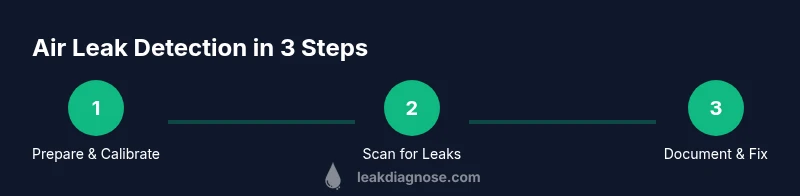
While the detailed steps are in the dedicated STEP-BY-STEP section, a quick overview helps frame your work. Begin by selecting the detector type that best fits your home-test scenario, set up in a calm, draft-free environment, and calibrate the device per the manual. Systematically sweep rooms, doors, and duct joints, noting readings that indicate potential leaks. Mark leak locations for sealing, then re-test after applying weatherstripping, caulk, or duct-sealing products. Finally, compare pre- and post-sealing readings to quantify improvements and plan any additional upgrades.
Safety, maintenance, and calibration tips
Safety comes first. Never use detectors near flammable atmospheres or open flames, and follow all manufacturer warnings. Keep devices away from water and avoid dropping them on hard surfaces. Regular maintenance includes cleaning sensor ports, updating firmware if applicable, and checking battery life. Calibration should be performed as recommended by the manufacturer and after significant environmental changes, such as weather shifts, renovations, or new equipment installation. By maintaining accurate readings, you’ll get reliable results over time.
Cost considerations and ROI for homeowners
Detector prices vary by capabilities, sensor sensitivity, and brand support. Budget options are typically suited to basic detection needs, mid-range units offer richer data and multi-mode sensing, and professional-grade devices provide advanced diagnostics and data logging. When evaluating ROI, consider the energy savings from sealing drafts, reduced comfort complaints, and potential improvements to indoor air quality. While exact outcomes depend on your climate and home construction, performing a structured detection and sealing program often yields meaningful long-term savings.
How Leak Diagnosis can help you diagnose and fix leaks
The Leak Diagnosis team emphasizes practical, safe approaches to identify and seal air leaks. By combining detector findings with weatherstripping and sealing strategies, homeowners can improve comfort and energy efficiency. Leak Diagnosis analysis, 2026, supports the idea that systematic testing and verification are essential to successful weatherization projects. Our guidance helps you translate detector readings into actionable steps and lasting results.
Additional resources and next steps
Beyond the detector, plan a staged approach to weatherization: prioritize gaps around doors and windows, seal ductwork, and address attic or basement leaks. Pair detector use with an energy audit or blower-door test for a comprehensive view. For ongoing maintenance, schedule seasonal checks, especially before heating and cooling shifts. If you’re unsure about larger leaks or gas-related scenarios, consult a licensed professional for safety and efficiency.
Tools & Materials
- air leak detector(Choose a model with ultrasonic or thermal imaging, depending on your testing goals.)
- smoke pencil or incense stick(Useful as a visual aid to confirm suspected leaks.)
- tape measure or laser measure(For documenting dimensions of suspected leak areas.)
- ventilation-safe wipes(Keep area dry and clear for sensor operation.)
- calibration gas kit (optional)(For advanced tracer-gas testing in controlled environments.)
- notepad and pen(Record locations, readings, and fixes.)
- safety gear (gloves, goggles)(Protective gear as needed for crawl spaces.)
Steps
Estimated time: 45-120 minutes
- 1
Prepare testing area
Clear the space and remove obstacles. If testing around gas appliances, ensure proper ventilation and follow safety guidelines. Power on the detector and allow it to warm up to operating temperature per the manual.
Tip: Wear safety goggles and keep a clear path to exits in case you need to move quickly. - 2
Choose the detector mode
Select the sensing mode that matches your test goals (ultrasonic, thermal, or tracer-gas). For most home drafts, start with ultrasonic or thermal imaging to get a broad view before focusing on specifics.
Tip: Start with a broad sweep to identify large problem areas, then refine to suspect spots. - 3
Calibrate or zero the sensor
Follow the manufacturer’s instructions to calibrate or zero the device before use. This helps reduce background noise and improves accuracy in readings across different environments.
Tip: Calibrate in a known clean area if possible to establish a baseline. - 4
Scan methodically across surfaces
Slowly sweep walls, windows, doors, electrical outlets, attics, and duct joints. Maintain consistent speed and keep the detector at a steady distance from surfaces to avoid false positives.
Tip: Use a grid-like pattern to ensure no area is left unchecked. - 5
Mark leaks and document findings
When you detect a potential leak, tag the area with tape or notes. Record the reading and the exact location to guide sealing efforts later.
Tip: Take photos and log surrounding conditions (wind, humidity) that may affect readings. - 6
Apply sealing and re-test
Seal the identified leaks using weatherstripping, caulk, or duct m sealing products. Re-run the detector in the same spots to verify readings have improved.
Tip: Ensure seals are fully cured before re-testing for accurate results. - 7
Review results and plan upgrades
Compare pre- and post-sealing readings to assess progress and identify remaining drafts. Create a prioritized plan for additional weatherization work.
Tip: Plan a staged approach to avoid overinvesting in a single session.
Questions & Answers
What is an air leak detector?
An air leak detector is a sensor-based tool that helps locate drafts by measuring pressure changes, listening for emission sounds, or detecting tracer gas. It enables homeowners to map leaks around doors, windows, and ductwork and verify improvements after sealing.
An air leak detector helps you locate drafts by measuring pressure changes or listening for sounds, so you can seal leaks and improve comfort.
Can I use an air leak detector myself or should I hire a pro?
Many homeowners can successfully use a basic air leak detector to identify major drafts and plan weatherization. More complex tests, like tracer-gas methods or large-scale duct sealing, may benefit from a contractor or certified energy auditor.
You can start DIY, but consider a professional if you’re dealing with complex ductwork or gas-related testing.
Is an air leak detector effective for all types of leaks (water, gas, or moisture)?
Air leak detectors focus on air movement and drafts, not water leaks. Gas leaks require dedicated gas detectors and safety precautions. Use detectors as part of a broader home safety and maintenance plan.
They detect drafts, not water leaks; for gas leaks, use a specific gas detector.
How often should I test for leaks?
Test before and after significant weather changes (seasonal), after renovations, and during routine energy assessments to keep drafts under control.
Do a seasonal check and after major home improvements to stay ahead of drafts.
Do detectors need calibration?
Most detectors require periodic calibration or sensor checks per the manufacturer’s instructions to maintain accuracy. Regular maintenance helps ensure reliable readings.
Calibration keeps readings accurate; check your manual for the recommended schedule.
Watch Video
Main Points
- Identify drafts with a purpose-built detector
- Choose sensor type that matches your needs
- Calibrate and test systematically for reliable results
- Seal leaks and re-test to confirm improvements
- Maintain records to guide future weatherization