Freon Leak Repair Cost Guide for 2026
Explore freon leak repair cost: factors, typical ranges, and budgeting tips for detection, repair, and refrigerant recharge in 2026. Learn how to read quotes, compare options, and save with preventive maintenance.


What contributes to freon leak costs
Freon leak repair cost is not a single number. It depends on several interacting factors that a licensed HVAC technician evaluates during diagnosis. According to Leak Diagnosis, the most influential variables are refrigerant type, leak location, system design, and accessibility. A leak in a central air conditioner with long refrigerant lines or a compact mini-split in a tight attic often requires more time and specialized equipment, which increases labor charges. The diagnostic phase matters just as much as the repair itself. Technicians perform pressure tests, use electronic leak detectors, and sometimes dye testing to pinpoint the exact source. Once the leak is located, the scope of repair—patch, coil replacement, hose or valve service—determines the final freon leak repair cost. The age of the system and the specific refrigerant also matter: older systems using legacy refrigerants like R-22 can incur higher disposal costs and, in some regions, limited availability. Finally, regional labor rates, permit requirements, and whether the work is done on a weekend or holiday can shift the total price. For homeowners, a written estimate that separates detection, repair, and refrigerant recharge is essential for making informed decisions.
Typical cost breakdown for freon leak repairs
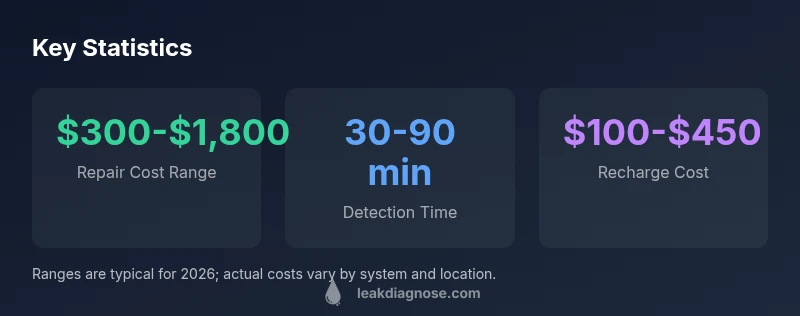
Understanding the components of freon leak repair cost helps homeowners budget and compare quotes. The first line item is detection and diagnosis, typically a distinct charge that covers the initial inspection, pressure testing, and leak tracing. For smaller units, this may range from $50 to $150; larger central systems can run higher, often $100 to $300, depending on access and required equipment. After locating the leak, the repair itself depends on the severity and location. A minor crack or loose connection may be repaired without major parts, while a coil leak or cracked line often requires more substantial work, potentially totaling $250 to $1,500 or more when refrigerant recharge is included. The refrigerant recharge adds another layer of cost: depending on the system and the amount of refrigerant lost, recharge charges can range from roughly $100 to $450 or higher. In some cases, you’ll also need replacement components like valves, driers, or connectors, which can add $100 to $600. Finally, there are incidental costs such as disposal, environmental fees, and travel time for the technician. A typical total project cost for a single-leak repair often falls within the broad range of a few hundred to a couple thousand dollars.
Key cost factors that influence freon leak repair cost
Several factors drive the freon leak repair cost beyond the basic leak itself. System type matters: central air conditioners with long refrigerant paths generally cost more to service than compact window units or mini-splits due to labor and material needs. The refrigerant itself also affects price: newer, readily available refrigerants like R-410A tend to be cheaper to recharge than older, restricted refrigerants such as R-22, which can increase both parts availability and disposal costs. Leak location is crucial; a leak behind a coil or inside an enclosed cabinet may require disassembly and more labor hours, while surface leaks may be quicker to address. Accessibility, including crawlspaces, attics, or elevated rooftops, adds time and safety considerations. The system’s age and condition affect whether an entire coil or line replacement is warranted, which can push costs higher. Warranty status is another factor: if the unit is under manufacturer or home warranty, some or all of the detection and repair work may be covered. Regional labor rates and the presence of environmental fees or refrigerant handling charges also contribute. Finally, whether the job includes a full recharge, purges, or additives can influence final freon leak repair cost.
How to estimate costs for your home system
Estimating freon leak repair cost starts with gathering essential details about your equipment and the leak. Begin by noting the system type (central AC, wall unit, mini-split), refrigerant type, estimated refrigerant loss, and any historical leaks. Request multiple written estimates from licensed technicians to compare detection charges, repair work, and recharge amounts. Ask for a line-item breakdown that shows each stage: inspection, leak localization, component repair or replacement, refrigerant recharge, disposal, and service call fees. When evaluating quotes, consider the expectations for warranty on parts and labor and whether future leak checks are included. If you’re debating repair versus replacement, obtain a separate estimate for a new system upgrade and factor in energy efficiency savings over time. For context, plan for seasonal demand—price spikes can occur in peak cooling months due to higher demand for service. A well-documented quote helps you weigh short-term freon leak repair cost against long-term reliability and energy costs.