What Leak Happened in Landman: Troubleshooting Guide
A practical, step-by-step guide to diagnose and fix leaks reported in Landman properties, with quick checks, safety tips, and prevention strategies from Leak Diagnosis.


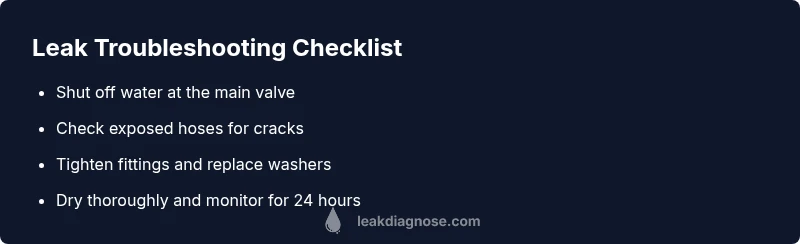
Most likely culprit is a simple plumbing connection fault near fixtures—often a loose supply line or worn gasket under sinks or behind appliances. Quick fix: shut off the water at the main valve, dry the area, tighten fittings, reseat seals, and test for drips. If the leak continues, inspect hoses and call a licensed plumber as needed.
What leak happened in landman
According to Leak Diagnosis, homeowners in Landman frequently confront leaks that begin as faint dampness and evolve into structural damage if ignored. The phrase what leak happened in landman underscores a common scenario: a small drip that grows unseen behind cabinets, under sinks, or around appliances. The first 24–48 hours are critical because moisture can wick into walls, insulation, and floorboards, creating mold and costly repairs. In Landman, weather cycles and aging plumbing can exacerbate these issues, so early identification is essential. Start with the signs: damp patches, musty odors, running water meter when no taps are on, or mineral stains on fixtures. Document observed spots and timeframes to help pinpoint the source during the inspection. This guide follows evidence-based troubleshooting steps and emphasizes safe, practical actions you can take before calling a professional.
Where leaks show up in landman homes
Leaks in Landman properties tend to appear in predictable places where water flows or pools. Common hotspot regions include under sinks, behind dishwashers and washing machines, around toilets, near water heaters, and along exposed pipes in basements or crawlspaces. The most telling indicators are persistent dampness, peeling paint, warped baseboards, or floor tiles that feel soft underfoot. In many cases, the leak is not a single event but a slow drip that erodes caulking or gaskets over time. Understanding the layout of your home helps you anticipate where problems are likely to emerge, making early detection easier.
Quick checks you can do now
Before you panic, perform these fast checks to gauge the scope of the problem. Look for visible drips on hoses, clamps, and supply lines; listen for a constant hiss of water behind walls; inspect the toilet base and wax ring for dampness; and check the area around the water heater for signs of corrosion or leakage. If you have a washing machine, examine the hose connections and the drain hose. For dishwashers, examine the inlet hose and securing clamps. Always start by turning off the local shut-off valve for the affected fixture, then dry the area to reveal new drips. Keep towels handy and avoid using electrical devices near any standing water.
Diagnostic flow: symptom to diagnosis to solution
This section outlines a clear pathway from observed symptom to a solid diagnosis and concrete fixes. Symptom signals a leak (wet spots, dripping, increased humidity). Potential causes expand from simple (loose valve) to severe (cracked pipe or failed appliance hose). Rule out simple issues first (tighten fittings, reseat gaskets, replace worn washers) before moving to more involved repairs like hose replacements or professional pipe work. Each step narrows the field and steers you toward the most effective, safe solution with minimal downtime.
Step-by-step: fixes for the most common causes
- Tighten loose fittings and replace worn washers: Begin with the easiest fix—tighten fittings by hand, then with a wrench, ensuring not to over-tighten and strip threads. Replace any worn washers or seals. Pro tip: test after each adjustment by running water at low flow.
- Inspect appliance hoses: Look for cracks, bulges, or bulging clamps on hoses connected to sinks, dishwashers, and laundry machines. If you detect damage, replace the hose with a new one rated for your appliance. Pro tip: use stainless-steel braided hoses for durability.
- Check the toilet seal: If moisture appears around the toilet base, replace the wax ring and re-seat the toilet carefully. Pro tip: use wax-friendly gloves and a new wax ring kit for a cleaner seal.
- Test and verify: After each fix, run the affected fixture for several minutes at full water pressure while observing for drips. Pro tip: record the time and date of tests to track progress.
- Address hidden leaks: If you still can’t locate the leak, probe behind walls using a moisture meter or infrared camera, starting with likely wall cavities near the origin. Pro tip: leave the building fan running to dry areas and reduce mold risk.
- Plan for professional help: When leaks reappear after basic fixes or water damage is extensive, contact a licensed plumber for a definitive repair. Pro tip: prepare photos and a timeline of symptoms to communicate the issue quickly.
Safety, warnings, and when to call a pro
Water leaks pose slip hazards and can compromise electrical systems. Always shut off power to nearby outlets if wet surfaces are present, and never touch exposed wiring with wet hands. If you suspect a gas line or if you encounter a gas odor, exit the home and call the gas utility immediately. Do not attempt to fix serious leaks yourself; a licensed plumber can assess structural damage and prevent future problems. In Landman, weather extremes may stress pipes, so professional inspection after major leaks is prudent.
Prevention tips and maintenance
Preventing leaks is easier than repairing them. Schedule regular inspections of hoses and valves, replace hoses every 5–7 years, use high-quality fittings, and keep a monitoring plan for moisture around major appliances. Install water-stoppage devices on supply lines, especially near cooking and laundry areas, to minimize damage if a leak occurs. Maintain caulking around sinks, toilets, and bathtubs, and consider a simple moisture meter in basements or crawlspaces to catch early signs of water ingress.
Steps
Estimated time: 60-90 minutes
- 1
Shut off the water supply
Locate and close the shut-off valve for the affected fixture to stop the leak from spreading. If the valve is old or stiff, apply gentle force to avoid breaking it. After shutting off, test to confirm water flow is stopped.
Tip: Keep a wrench handy for stubborn valves, but don’t force them. - 2
Identify the leak source
Look for dripping from hoses, fittings, and seals. Open drawers or cabinets to access plumbing behind the sink or appliance. Use a dry cloth to wipe surfaces and watch where moisture reappears.
Tip: Take photos from multiple angles to document the origin. - 3
Tighten or replace components
If a connection is loose, tighten it using the correct tool. Replace worn gaskets or washers. For damaged hoses, install a new hose rated for your appliance.
Tip: Don't over-tighten; you can strip threads or crush seals. - 4
Dry and monitor
Dry the area completely and run water at low pressure to observe. Check after 5, 15, and 60 minutes for any new drips.
Tip: A moisture meter can help detect hidden dampness. - 5
Assess damage and plan repair
If water damage is extensive, document affected materials and consider containment to prevent mold. Decide whether to repair in-kind or replace components.
Tip: Prioritize safety; avoid stepping on soggy floors. - 6
Call a professional if needed
If leaks persist, or you’re unsure about the source, contact a licensed plumber. Professional diagnosis reduces risk and ensures durable fixes.
Tip: Have a summary of symptoms and photos ready for the plumber.
Diagnosis: Water leak near Landman property fixtures
Possible Causes
- highLoose supply line or connector
- mediumCracked pipe or worn appliance hose
- lowDrain line blockage causing backflow
Fixes
- easyTighten connections and replace worn washers
- easyInspect hoses for cracks and replace
- mediumCall a plumber for pipe repair if you detect cracks
Questions & Answers
What is the most common cause of leaks in Landman homes?
The most common sources are loose connections and worn hoses. Start by tightening fittings and inspecting appliance hoses before pursuing bigger repairs.
Most leaks come from loose connections or worn hoses. Start by tightening fittings and inspecting hoses.
When should I call a professional for a leak?
Call a professional if you cannot locate the source, if the leak reappears after basic fixes, or when water damage is present. A pro provides a definitive diagnosis and reduces risk.
Call a pro if you can't locate the source or if the leak returns after basic fixes.
Can I fix a leaking dishwasher hose myself?
Yes, if you are comfortable accessing the hose and clamps. Replace damaged hoses and ensure clamps are secure. If unsure, consult a pro.
Yes, you can replace a leaking dishwasher hose if you can access it safely.
What safety steps should I take first?
Turn off water supply and, if necessary, power to nearby outlets before inspecting. Avoid electrical contact with standing water and wear gloves.
Turn off water and power if needed. Don’t touch water with electrical devices nearby.
How can I prevent leaks in the future?
Regularly inspect hoses and fittings, replace aging components, and install water-saver devices. Perform annual checks of under-sink areas and around appliances.
Inspect hoses yearly, replace aging parts, and install preventive devices.
Is it safe to use chemicals to stop leaks?
Avoid relying on chemical sealants; they can damage pipes and complicate repairs. Focus on mechanical fixes and professional assessment when needed.
Avoid chemical sealants; use mechanical fixes and professional help when necessary.
Watch Video
Main Points
- Shut off water to control leaks quickly
- Check hoses and fittings first, then appliances
- Dry area thoroughly to spot new drips
- Call a pro if leaks persist or damage is extensive
- Prevent future leaks with regular maintenance