Plastic Pipe Leak Repair: A DIY Guide for Homeowners
Learn safe, effective methods for fixing plastic pipe leaks at home. This step-by-step guide covers PVC/CPVC/PEX, tools, safety, and maintenance to prevent future leaks.


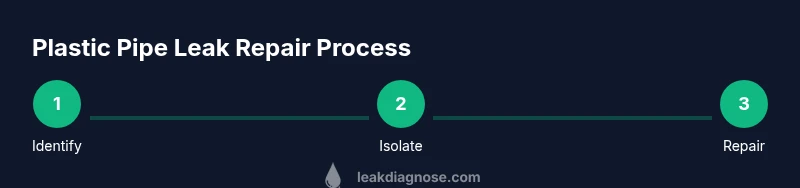
To fix a plastic pipe leak, start by shutting off the water supply and draining the line. Identify the pipe material (PVC/CPVC/ABS/PEX) and select a repair method: patch, compression coupling, or replace a short section. Apply the appropriate cement or clamp, ensure a clean, dry surface, and re-test with soapy water. If leaks persist, replace the damaged section or call a professional.
Understanding plastic pipe leak repair: types, materials, and safety
Plastic pipe leak repair is a common home maintenance task that, when done correctly, prevents water damage and wasted water. Residential plastic piping includes PVC (for cold-water lines and drainage), CPVC (often for hot water), ABS (older systems), and PEX (flexible supply lines). Each material has preferred repair approaches and compatible fittings. According to Leak Diagnosis, choosing the right repair method depends on the pipe type, location (behind walls, under a sink, in a crawl space), and the potential for movement. This guide distinguishes DIY-friendly options from cases that benefit from a professional assessment. You’ll learn how to identify pipe material, select the correct repair method, and perform repairs that are safe and durable. We cover safety practices, common mistakes to avoid, and maintenance tips to prevent future leaks from turning into big problems. Whether you’re dealing with a pinhole in a PVC line, a cracked CPVC elbow, or a kinked PEX run, this article provides practical step-by-step instructions you can follow with basic tools and minimal disruption to your home. The Leak Diagnosis team has seen countless homeowner-led repairs succeed when approached methodically.
Before you start: safety and planning
Before you begin any repair, plan and secure safety. Locate the main water shutoff and the valve closest to the leaking section. Turn off the supply and open a downstream faucet to relieve pressure and drain the line. If the leak is behind a wall, you may access it via an access panel or a small drywall patch, so be prepared for minor dust. Keep children and pets away from the work area. Gather tools and materials so you don’t interrupt the repair to fetch items. Place a bucket under the leak to catch drips and protect floors with towels. Have a waste-disposal plan for old pipe and fittings. If your home has electrical equipment nearby or a gas line, pause and call a professional. The goal is a clean, safe workspace to inspect damage and select the best repair method.
Common repair methods for plastic pipes
There are several repair methods depending on material and damage. For small pinhole leaks in PVC/CPVC, epoxy putty or a two-part epoxy patch can offer a seal, but ensure compatibility with the pipe material and temperature. A mechanical repair such as a Fernco or compression coupling can bridge a damaged section without cutting if the area is accessible and the diameter matches. Slip-on repair sleeves with hose clamps are another quick fix for larger leaks where replacement isn’t convenient. For extensive damage, replace a short section with a pre-cut pipe length and a proper solvent-weld joint (PVC/CPVC) or a crimped fitting (PEX/ABS). If the leak is at a joint, reseat the connection with fresh primer and cement or a new compression fitting. Do not mix solvent-weld cement with clamps that require a dry environment; follow product instructions closely. Choose between speed, reliability, and long-term performance based on the leak size and the system’s pressure and temperature.
How to identify pipe material and choose the right repair method
Identifying the correct pipe material is essential for selecting the repair method. PVC pipes are rigid and white or light gray; CPVC is typically cream-colored; ABS is black; PEX is flexible and can be white, gray, or red/blue with a smooth jacket. Look for markings along the length for material type, diameter, and temperature ratings to pick compatible fittings. If the pipe runs behind walls, inspect visible sections near the leak for color, texture, and fittings. Once you identify the material, select a repair method that matches the pipe and leak location. Small leaks in PVC/CPVC often respond to patches or clamps, while PEX uses compression or crimp fittings and may require a short replacement section if the area is damaged. Avoid cement on PEX and near metal joints unless the product is rated for that use. When in doubt, consult a professional to confirm the best approach.
Steps to prepare for a repair (cleanup, isolation, and safety)
Preparation is critical. Start by draining the segment you’ll work on: place a bucket beneath, open the lowest faucet, and let water drain. Clear the area around the leak for easy access and dry the pipe thoroughly. If you need to cut out a damaged section, mark the cut line with a marker and use a sharp cutter to produce a straight edge. Deburr the cut edges to prevent fittings from catching. Gather replacement fittings and ensure you have the correct type for PVC/CPVC or PEX. Assemble clamps or sleeves ahead of time for a smooth finish. Always wear gloves and eye protection when handling solvents, and keep ignition sources away from cement or epoxy. Outline the sequence: dry-fit, disassemble for final assembly, perform a leak test, and clean up.
DIY repair methods by material: PVC/CPVC, PEX, ABS
PVC and CPVC repairs typically use a slip or compression coupling. If replacing a section, cut cleanly, square, and apply primer and solvent cement rated for PVC/CPVC. ABS uses cement formulated for ABS. For PEX, use crimp rings or clamp fittings; ensure rings are fully seated and ends are clean. If the leak is at a connector, replace the connector rather than patching damaged portions. Epoxy putty is a temporary solution for pinhole leaks but not a long-term fix on hot or high-pressure lines. When in doubt, prefer a short replacement section with proper fittings to ensure durability. Test pressure gradually to avoid further damage and confirm the repair holds under normal operating conditions.
Pressure testing and checking for leaks after repair
Testing after repair is critical. Re-pressurize slowly by turning the main valve a little at a time, then open a downstream faucet to vent air. Check joints with a soap solution to see if bubbles form, indicating a leak. Inspect both hot and cold runs if applicable, as temperature changes can reveal hidden leaks. If cemented joints were used, ensure the cure time specified by the product is respected before applying pressure. If a leak persists, revisit the joints, reseat clamps, or reapply cement with fresh primer. If leaks recur or appear near structural stress points, consult a licensed plumber for a longer-term solution or system replacement.
Maintenance and prevention to prevent future leaks
Prevention starts with regular inspection. Visibly check exposed pipes every 6–12 months for wear, cracks, or corrosion. Keep bare pipes away from heat sources and insulate exposed lines to prevent freezing. Avoid harsh chemical drain cleaners that can degrade plastic fittings; use mechanical cleaning or enzyme-based cleaners if necessary. After major renovations or appliance replacements, re-check all connections. Ensure good support for long runs to minimize stress on joints, and document maintenance steps for future reference. Small, proactive checks save substantial repair costs and water waste over time.
When to call a licensed plumber and what a pro will do
Some leaks require professional intervention. If the leak is behind a wall or ceiling, near electrical components, or involves high-pressure lines or gas lines, contact a licensed plumber. A pro will verify material type and fittings, perform advanced diagnostics, and may replace longer sections of pipe to ensure reliability and code compliance. Leak Diagnosis recommends seeking a professional when the leak involves hot water lines, gas lines, or if prior DIY repairs did not stop the leak. A licensed plumber can provide a final inspection to prevent hidden leaks from causing mold or structural damage later.
Tools & Materials
- Safety gear (gloves, safety glasses)(ANSI-compliant eye and hand protection)
- Bucket and towels(Catch drips and protect floors)
- Adjustable wrench(Loosens/tightens fittings)
- Pipe cutter (PVC/PEX) or hacksaw(Make clean, straight cuts)
- Deburring tool(Smooth cut edges)
- Marker and tape measure(Mark cut lines and verify lengths)
- PVC/CPVC solvent cement and primer(Only for PVC/CPVC joints)
- PVC compression or slip couplings(Bridges for damaged sections)
- Fernco coupling or repair clamp(Non-destructive patch option)
- Epoxy putty or patch kit(Temporary fix for small pinholes)
- Replacement pipe length (PVC/CPVC/PEX)(Exact match for diameter)
- Crimp tool or compression tool for PEX(Proper seating of rings)
- Soap solution or leak detector spray(Identify leaks during testing)
- Trash bags or disposal container(Dispose old pipe fittings properly)
Steps
Estimated time: 30-60 minutes
- 1
Isolate the leak and prepare workspace
Shut off the main water valve and the valve closest to the leak. Open downstream taps to drain residual water and relieve pressure. Clear the area, set a bucket, and protect the floor with towels.
Tip: Document the leak location before disassembly to guide repairs later. - 2
Identify material and choose repair approach
Inspect pipe color, texture, and markings to determine PVC/CPVC/ABS/PEX. Choose a repair method compatible with the material and leak size (patch, clamp, or replace a short section).
Tip: Avoid mixing repair methods across incompatible materials. - 3
Prepare the pipe for repair
Dry the area thoroughly. If cutting, mark a straight line and cut squarely with a cutter or hacksaw. Deburr edges to ensure a clean joint.
Tip: Dry-fit first to confirm alignment before final assembly. - 4
Install the repair
Fit the selected repair method (compression, patch, or replacement). Secure mechanical clamps or apply cement and primer as required, ensuring a tight seal without overtightening.
Tip: Follow product instructions for cure times and torque specifications. - 5
Seal, cure, and test the repair
If cemented joints were used, allow the recommended cure time. Restore water gradually and check for leaks. Use soap bubbles at joints to spot slow leaks.
Tip: Test at operating temperature and pressure to verify reliability. - 6
Cleanup and final checks
Wipe any residue, dispose of waste properly, and document what you replaced for future reference. Observe the repaired area for 24 hours for signs of slow leaks.
Tip: Keep a spare repair kit on hand for future small leaks.
Questions & Answers
Can I fix a plastic pipe leak without cutting the pipe?
Yes, many leaks can be addressed with a patch or clamp if the damaged area is accessible. More extensive damage may require cutting and replacing a short section.
Yes, you can often repair without cutting, but severe damage may require cutting and replacement.
Is epoxy putty a reliable long-term fix for PVC leaks?
Epoxy can seal small pinhole leaks temporarily, but for hot water or high-pressure lines, a proper replacement or fitting is usually more durable.
Epoxy can be temporary; for long-term reliability, use proper fittings or replace the damaged section.
Should I use solvent cement on PEX pipes?
No. Solvent cement is not approved for PEX. Use crimp or compression fittings designed for PEX instead.
Do not use cement on PEX—use the proper PEX fittings.
When is it better to replace a damaged section rather than patching?
If the pipe is extensively damaged, repeatedly leaks, or is in a critical area, replacing a longer run often provides a more reliable, long-term solution.
If damage is extensive or likely to recur, replacing the section is usually best.
What safety steps are essential before starting a plastic pipe repair?
Always shut off water and power if applicable, ventilate work areas, wear protective gear, and keep ignition sources away from cement or epoxy.
Shut off water and power, ventilate, and wear protection before starting.
Can I DIY a repair behind a wall or ceiling?
It’s possible with correct access and tools, but hidden leaks can be tricky. If you’re unsure, consult a professional.
DIY is possible with access, but hidden leaks may require a pro.
Watch Video
Main Points
- Identify pipe material before repairs.
- Shut off water and drain the line first.
- Choose the repair method that matches the pipe material.
- Test thoroughly with soap bubbles after repairs.
- Call a professional for complex, hot-water, or gas-line leaks.