Fix a Leak from Shower Head: DIY Guide for Homes
Learn how to diagnose and fix a leak from shower head quickly and safely. This homeowner-friendly guide covers common causes, step-by-step troubleshooting, and prevention tips to keep your bathroom drip-free.


Most shower head leaks come from a worn washer, a loose shower arm nut, or mineral buildup. Start by tightening the arm nut and inspecting for drips, then replace worn seals if needed. If leaks persist at the head, replace the washer or the entire shower head. This quick guide helps homeowners diagnose common causes and fix safely.
Understanding the Problem and Why It Happens
A leak from the shower head is one of the most common bathroom plumbing annoyances. In many homes, a steady drip isn’t a sign of a major fault—it's often a simple seal wearing out or a connection loosening over time. When water escapes at the head or along the arm, it wastes water, damages surfaces, and increases your water bill. According to Leak Diagnosis, understanding the typical failure points helps you act quickly and avoid unnecessary replacements. Start by noting where the water drips: from the nozzle itself, around the connection to the shower arm, or from behind the wall where the pipe emerges. This information informs your next steps and prevents guesswork. By addressing leaks early, you reduce the risk of water damage and mold growth in damp bathroom environments, which is a priority for any homeowner.
Common Causes of a Leak from Shower Head
Leaks in this area usually fall into a few reliable categories. A worn or damaged washer inside the shower head often fails to seal properly, producing a dripping leak even when the water is off. A loose or corroded shower arm nut can create a steady flow at the joint. Mineral buildup from hard water can jam seals, while degraded O-rings or gaskets permit water to escape at the connection. In some cases, a cracked shower head or a small fracture in the supply line behind the unit is the culprit. Each cause has a practical fix, and many are within a homeowner’s skill set with the right tools and instructions. Keeping track of these potential points helps you prioritize repairs and budget for parts. Regular inspection also catches wear before a leak becomes a flood—saving time, money, and headache.
Safety First: When to Call a Pro
Shower head leaks are usually manageable, but certain situations deserve professional help. If you detect water damage on walls or ceilings, if you smell mold, or if you observe rapid, high-volume leaks from the pipe behind the wall, stop and call a licensed plumber. DIY repairs are generally safe for simple issues like replacing washers or tightening fittings, but working with plumbing behind walls or under constant pressure requires experience. If you’re unsure about pipe integrity, or if your home has older plumbing with galvanized lines or lead solder, seek professional assistance. The goal is to fix the leak without creating new hazards like scalding water exposure, cornered piping, or cross-contamination of water lines. Your safety and the structural integrity of your bathroom come first.
Quick Diagnostic Checks You Can Do Today
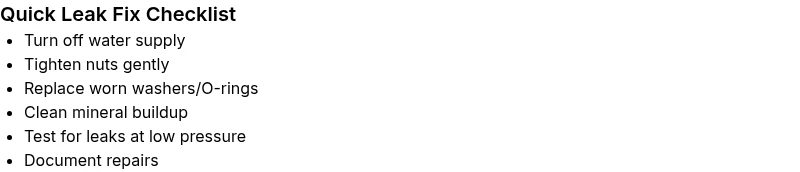
Begin with the simplest checks to avoid unnecessary disassembly. First, tighten the shower arm nut gently—do not over-tighten, which can damage fittings and threads. Shut off the water to the shower or bathroom and observe if the dripping slows. Remove the shower head and inspect the washer or gasket for wear or cracks. Clean mineral deposits from the aerator and rinse seals with white vinegar if mineral buildup is present, then reassemble. If water continues to leak from the head itself, replace the washer or the whole unit as a last resort. Keep a digital camera handy to document the condition of seals before you buy replacements. These steps minimize risk while guiding you toward a durable fix, saving you time and water.
Diagnostic Flow: Symptom to Solution
Symptoms guide the diagnosis: dripping from the nozzle versus a damp connection point. If the drip stops after tightening, the issue was loose hardware. If dripping persists from the neck or around the arm, the seal or washer is worn. If mineral buildup is evident, cleaning or replacing washers may suffice. When the head leaks after reassembly, the washer’s surface or seat may be damaged. If leaks persist after replacing washers and O-rings, the head itself or the supply line may be compromised. In all cases, test with a small amount of water first and observe for new leaks before restoring full pressure. This logical flow reduces wasted effort and helps you pinpoint the most cost-effective fix.
Step-by-Step Fix for the Most Common Cause: Worn Washer or Damaged O-Ring
The most frequent fix is replacing the washer or O-ring inside the shower head. Begin by turning off the water supply and removing the shower head. Use an adjustable wrench to detach the head without twisting the pipe. Inspect the rubber washer for cracks or wear; if damaged, replace with a washer of the same size. Check the O-ring around the head’s base as well and replace if brittle. Reassemble the head, apply plumber’s tape to the threads, and tighten securely without overdoing it. Turn the water back on and test for leaks at low pressure first. If you still notice drips, recheck seating and ensure the washer sits evenly. This fix restores a proper seal and often eliminates the problem completely.
Tools, Materials, and How to Buy Them
For a typical washer or O-ring replacement, you’ll need a few common tools: adjustable wrench, small screwdriver, replacement washers (standard sizes), O-rings, plumber’s tape, and a mild cleaning solution. If mineral buildup is present, white vinegar and a soft brush help restore clean seals. Buy parts for the specific shower head model or bring the old washer to match size. Many hardware stores also stock universal kits for common shower head repairs. Keeping a small kit on hand reduces downtime when leaks appear. Regularly inspecting connections and replacing worn components extends the life of your shower system and prevents more serious leaks later on.
Prevention: Keeping Your Shower Head Leak-Free
Prevention begins with proactive maintenance. Clean the aerator every few months, especially in areas with hard water. Inspect the arm nut and shower head seating for looseness and you’ll catch problems early. Use thread sealant tape (plumber’s tape) on threaded connections to create a better seal and prevent drips. Consider installing a water-softening system if you notice mineral buildup, which can degrade seals over time. Finally, if you’re renting or selling your home, document any fixes with receipts and photos so future owners know you’ve addressed leaks. Implementing these steps reduces the likelihood of recurring leaks and protects your bathroom from moisture damage.
Common Pitfalls and Quick Reminders
Leak fixes are straightforward when you stay methodical. Avoid over-tightening fittings, which can crack plastic heads or strip threads. Don’t ignore a slow drip—small leaks worsen quickly and waste water. Always shut off the water before starting, and test with minimal pressure after repairs. If you’re unsure at any point, pause and consult a professional. Regular maintenance, combined with timely replacements, is the best defense against leaks from the shower head and the headaches they bring.
Steps
Estimated time: 30-60 minutes
- 1
Shut off water and inspect area
Turn off the water supply to the shower or bathroom. Place towels to catch residual water and inspect the surrounding area for visible leaks. This initial step prevents scalding and keeps your workspace dry.
Tip: Have a bucket handy to collect any remaining water. - 2
Tighten the connection
Gently tighten the shower arm nut and the head’s mounting nut. Do not over-tighten; excessive force can crack fittings or strip threads. Recheck for dripping after a brief test.
Tip: Use a cloth to avoid scratching chrome finishes. - 3
Remove the head for inspection
Use an adjustable wrench to loosen and remove the shower head. Note the orientation of parts for reassembly. Do not twist the pipes; if they resist, apply steady, even pressure.
Tip: Take a photo of the parts before disassembly for reference. - 4
Inspect and replace washers/O-rings
Check the rubber washer and any O-rings for wear, cracks, or brittleness. Replace with matching sizes from the kit—ensure seats are clean and free of debris.
Tip: Lightly lubricate O-rings with a drop of non-petroleum-based lubricant if recommended by the part. - 5
Clean mineral buildup
If you see white mineral scale, soak the aerator and head components in white vinegar briefly, then scrub gently with a soft brush. Rinse thoroughly before reassembling.
Tip: Rinse completely to avoid vinegar residue impacting seals. - 6
Reassemble and seal
Reattach the shower head, apply plumber’s tape to the threads, and tighten by hand then with a wrench until snug. Restore water supply and test at low pressure.
Tip: Stop when you hear a leak; then tighten a quarter-turn more if needed. - 7
Test and monitor
Turn on the water fully and observe for leaks at the head and joint areas. If drips persist, reassess washer seating or consider replacing the head.
Tip: Keep a log of dates and parts replaced for future reference.
Diagnosis: Water leaks from the shower head when water is on
Possible Causes
- highWorn or damaged washer inside the shower head
- highLoose or corroded shower arm nut
- mediumMineral buildup affecting seals
- mediumDegraded O-ring or gasket
Fixes
- easyTighten the shower arm nut to ensure a secure seal
- easyReplace the washer inside the shower head
- mediumReplace the O-ring or seals at the base of the head
- hardReplace the shower head or repair the supply line if cracks are present
Questions & Answers
What is the most common cause of a leak from a shower head?
The most common causes are a worn washer inside the shower head and a loose shower arm nut. Both create leaks at the seal and can be fixed with basic tools. Replacing worn seals often resolves the issue without replacing the head.
Most leaks come from a worn washer or a loose nut, which you can usually fix with simple tools.
How can I tell if the leak is from the shower head or the pipe behind the wall?
If the leak appears only when the water is on and stops when pressure is reduced, it’s likely the head or seal. If water appears at rest, the issue could be the pipe or wall seal. Check the connection at the shower arm and inspect the wall-facing fittings.
If it leaks only when running water, it’s likely the head or its seals; if it leaks constantly, the pipe or wall seal could be involved.
Is it safe to DIY a shower head leak?
Yes, for most small leaks and simple fixes like replacing washers or tightening fittings. Make sure to shut off water first and follow step-by-step instructions. For leaks behind walls or with aged plumbing, consult a professional.
You can fix many leaks yourself by following proper steps and safety measures.
What tools do I need to fix a shower head leak?
You’ll typically need an adjustable wrench, replacement washers or O-rings, plumber’s tape, a screwdriver, and a soft cloth. For mineral buildup, white vinegar and a brush are useful.
Common tools include an adjustable wrench, washers, O-rings, plumber’s tape, and vinegar for mineral buildup.
Should I replace the entire shower head or just the seals?
If the head is old, heavily corroded, or damaged, replacing the entire unit may be cost-effective and reliable. If the issue is limited to seals, replacing washers or O-rings is usually sufficient.
If the head is old or damaged, replacement is often best; otherwise, fix seals.
How can I prevent leaks in the future?
Regular maintenance helps: clean aerators, check connections, replace worn seals, and avoid over-tightening. Consider water-softening if mineral buildup is persistent.
Maintain seals, clean parts, and avoid overtightening to prevent future leaks.
Watch Video
Main Points
- Start with the simplest fix: tighten fittings and replace worn washers
- Check both the head’s seals and the arm nut for a lasting seal
- Keep mineral buildup in check with regular cleaning of aerator
- Document repairs and know when to call a pro for complex leaks