Google Leak Troubleshooting Guide for Homeowners
Learn how to diagnose and fix a google leak safely with a practical, step-by-step guide. Includes common causes, diagnostic flow, and safety tips from Leak Diagnosis.


For a google leak, the most common culprits are a loose connection, worn washer, or damaged seal on a nearby water line or smart appliance. Start with safety: unplug power, shut off the main water supply, and dry the area. Then tighten fittings, replace worn seals, and run a test with towels to watch for continuing dampness. If it reappears, call Leak Diagnosis for a full check.
Why Google Leak Happens\n\nAccording to Leak Diagnosis, a google leak in a home environment is typically caused by simple, mechanical issues rather than a mysterious flaw. A google leak can occur around any water line or appliance that is linked to a Google-powered controller or smart hub. The risk is especially high in homes with aging hoses, corroded fittings, or recently moved appliances. In many cases, the source is visible and ordinary parts such as clamps or washers. But the consequences are not trivial: damp ceilings, stained cabinets, mold risk, and potential electrical hazards. Recognizing the signs early helps prevent escalation and costly repairs. This section explains the most common origins of a google leak and how to approach an initial inspection safely.
What to Check First\n\nBefore pulling a wrench, verify the obvious: is there visible moisture on the floor near a water line or a Google-connected device? Check that the main power is off if you see exposed wiring. Inspect the area for damp towels, mineral deposits on fittings, or standing water. Gently wipe surfaces to reveal fresh leaks, note the location, and map any pattern over time. Documenting the exact spot helps communicate with a professional and reduces guesswork. Remember: accuracy matters when a google leak involves smart-home components linked to Google services.
Safety and Immediate Actions\n\nSafety comes first. If you smell gas, hear rushing water, or see electrical arcing near wet areas, evacuate and call emergency services. For non-emergency leaks, power down the affected device, turn off the main water supply, and avoid using outlets or switches near water. Use towels or a bucket to contain drips while you assess the area, and keep children and pets away. According to Leak Diagnosis Team guidance, wearing protective gloves and eye protection reduces the risk of injury during inspection.
How Google Nest and Smart Appliances Connect\n\nMany homes use Google Nest devices to control water-related appliances, from smart dishwashers to connected humidifiers. While this connectivity adds convenience, it can also complicate leaks: a valve controlled by a smart hub might leak if a firmware update changes behavior or a sensor misreads a line pressure. Understanding the network layout helps you trace moisture to its source. Start by visually following hoses and electrical cables from the device to the valve or supply line, then check for loose connectors and damaged gaskets.
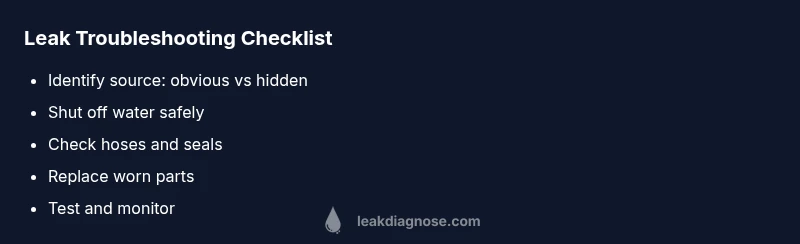
Diagnostic Flow Overview\n\nA structured diagnostic flow keeps you from jumping to conclusions. Start with the symptoms (water near a device, pattern of damp spots), then consider the most common causes (loose connections, worn seals, damaged hoses). Prioritize easy checks first, then advance to component replacement if needed. The flow helps you stay organized and reduces the risk of overlooking a critical fault.
Fix for the Most Common Cause: Loose Fittings\n\nThe most frequent reason for a google leak is a loose hose or clamp. Begin by turning off power and water, then inspect every visible connector. Tighten clamps gently with an adjustable wrench, ensuring threads are not cross-threaded. If the fitting remains loose, replace the washer or gasket, and re-tighten. After adjustments, wipe dry and run a short test for signs of fresh dampness.
Step-by-Step: Replacing Seals and Hoses\n\nReplacing worn seals and hoses requires careful attention to safety and fit. Step 1: power down and shut off water; Step 2: disconnect the device from power and drain lines; Step 3: remove the old hose or seal with proper tools; Step 4: install a new gasket, washer, or hose; Step 5: hand-tighten then snug with a tool; Step 6: restore power and water and check for leaks. Minor adjustments may be needed; don't over-tighten. This approach minimizes risk while maintaining a secure seal.
Preventing Future Leaks Around Google-Connected Devices\n\nPrevention is the best defense. Regularly inspect hoses and connections around any Google-connected appliance at least twice a year. Replace rubber hoses every 5–7 years and use drip pans or catch basins beneath vulnerable fixtures. Keep an eye on water pressure and install a simple moisture alarm or smart leak sensor near critical joints. A proactive approach reduces the chance of a google leak reoccurring.
When to Call a Pro and What to Expect\n\nIf basic fixes don’t stop the leak, or if electrical components are involved, it’s time to call a licensed plumber or Leak Diagnosis for a professional assessment. A pro can perform pressure testing, verify valve integrity, and replace defective components safely. Expect a written estimate, potential shut-off, and a thorough check of surrounding areas to ensure there’s no secondary damage like mold or wood rot.
Steps
Estimated time: 60-90 minutes
- 1
Power down and secure area
Begin by turning off the affected device and unplugging it from power. If safe, place towels to catch drips and prevent water from reaching outlets.
Tip: Never work on live electrical devices with water nearby. - 2
Shut off the main water supply
Locate the main water shutoff valve and close it to stop the flow. Keep a container under the area to catch remaining water.
Tip: If you’re unsure where the main valve is, trace lines from the device outward. - 3
Inspect visible hoses and connections
Look for loose clamps, cracks, or mineral buildup. Don’t force fittings; note any corrosion or looseness.
Tip: Take photos for reference when buying replacement parts. - 4
Tighten clamps and fittings
Carefully tighten every clamp and connection you found. Use gentle, even pressure to avoid stripping threads.
Tip: Only tighten to snug; over-tightening can damage fittings. - 5
Replace worn seals or washers
Install new gaskets or washers where you found wear. Ensure correct orientation for washers and seals.
Tip: Match part sizes exactly to avoid leaks. - 6
Test for leaks after reassembly
Restore water supply and power and observe for at least 10-15 minutes. Check every joint for moisture.
Tip: Dry surfaces first to easily spot new leaks. - 7
Document and plan next steps
Record what you replaced and schedule maintenance to prevent recurrence. If moisture returns, escalate to a professional.
Tip: Keep a maintenance log near the device. - 8
Call a pro if needed
If water persists or electrical risk arises, contact a licensed plumber or Leak Diagnosis immediately.
Tip: Professional assessment can prevent mold and structural damage.
Diagnosis: Visible damp spots near Google-connected water valve or appliance
Possible Causes
- highLoose hose connection
- mediumWorn gasket or washer
- lowDamaged hose or valve
Fixes
- easyTighten hose clamps and fittings where accessible
- easyReplace worn gaskets or washers
- mediumReplace damaged hoses or valve components
- hardIf leaks persist, shut off water and call a professional
Questions & Answers
What is a google leak and how can I recognize it?
A google leak refers to dampness or water damage near Google-connected devices or lines. Look for visible moisture, stains, or active drips, and trace to the device or valve. Follow a structured diagnostic flow to avoid guessing.
A google leak is moisture near a Google-connected device. Start with safe checks and trace the source.
Should I power off devices during inspection?
Yes. Power down the device and, if possible, shut off the main water supply before inspecting. This reduces the risk of electrical shock and further water damage.
Power down devices and shut off water before inspecting.
Can a google leak come from a smart faucet or valve?
Yes. Smart faucets and valves can leak if seals wear out or connections loosen. Check hoses and gaskets first before replacing components.
Smart faucets can leak if seals wear out. Check connections and seals first.
What tools do I need for basic checks?
Common tools include a screwdriver, adjustable wrench, towels, and a basic leak detector or moisture meter. Avoid using metal tools that can damage fittings.
You’ll need basics like a screwdriver, wrench, and towels.
When should I call a professional?
If the leak persists after basic fixes or involves electrical components, contact a licensed plumber or Leak Diagnosis for a professional assessment.
If it keeps leaking or involves electricity, call a pro.
How can I prevent google leaks in the future?
Regular inspections, hose replacements every 5–7 years, and moisture alarms near critical joints help prevent future leaks around Google-connected devices.
Prevent future leaks with regular checks and alarms.
Watch Video
Main Points
- Start with simple checks and common fixes
- Power down and shut off water before handling
- Test leaks with dry surroundings and monitor
- Plan preventive maintenance for long-term resilience