Will Exhaust Leak Fail Inspection? A Practical Guide for DIYers
Discover whether an exhaust leak will fail inspection, what inspectors check, common leak sources, and practical DIY steps to diagnose and fix leaks safely.


Yes, an exhaust leak can cause a vehicle to fail inspection, depending on local rules. Inspectors typically check for audible leaks, visible fumes around joints, and corrosion. In many regions, even small leaks or misaligned components can trigger a failure, especially if emissions readings are abnormal. If you’re unsure, have the system checked before the test to avoid surprises.
Why Exhaust Leaks Attract Scrutiny During Inspections
According to Leak Diagnosis, exhaust leaks are a dual safety and environmental concern. An audible hiss or ticking sound beneath the vehicle, especially during idle or acceleration, often signals a leak that could compromise safe operation. Inspectors also rely on smells and visual cues, such as black soot around joints or corroded pipe sections. These indicators are not cosmetic; they can affect engine performance, fuel efficiency, and, importantly, emissions. From a DIY perspective, recognizing the difference between a minor, fixable leak and a larger, structural issue is essential. This section introduces the practical reality that will exhaust leak fail inspection depends on several interacting factors, including local rules and the specific leak pathway involved.
Will Exhaust Leak Fail Inspection? Key Factors and Variations
The short answer to the question will exhaust leak fail inspection is: it depends. Some jurisdictions treat any leak as a failure, while others set thresholds for allowable leakage or rely on standardized emissions tests that detect hydrocarbon and CO readings. Vehicle age, the type of leak (joint, manifold, or sensor-related), and whether the leak affects the exhaust gas composition during testing all influence outcomes. A minor leak at a non-critical joint might pass a routine visual check in one area, while the same leak could trigger a failure elsewhere. Always check local inspection criteria and plan ahead with a pre-test inspection when possible.
How Inspectors Detect Exhaust Leaks
Inspector methods include listening for leaks with the vehicle running, performing a smoke test to visualize escape paths, and examining joints and seals for signs of wear. Modern tests may also include onboard diagnostics that monitor oxygen sensors and catalytic converter function. Cabin smells, abnormal exhaust tones, and heat around the undercarriage are additional red flags. For DIY enthusiasts, a handheld exhaust leak detector or soapy-water method at accessible joints can reveal obvious paths of escape. The key is to map leak routes before a formal inspection so you know where to focus repairs.
Common Causes of Exhaust Leaks in Vehicles
Leaks most often originate at manifold gaskets, flange joints, clamps, or damaged pipes. Corrosion and road debris can accelerate deterioration, particularly in vehicles exposed to winter salts. Poorly installed aftermarket components, such as universal clamps or non-OEM gaskets, can also introduce leak paths. In some cases, a muffler or tailpipe crack presents a leak that’s easy to spot but may be ignored during routine maintenance. Understanding the typical failure points helps you target fixes efficiently and avoid unnecessary repairs.
Safe Diagnosis Methods You Can Do (DIY Diagnostics)
Begin with a visual inspection under the car when safely supported on a ramp or jack stands. Look for loose clamps, cracked pipes, or oil residue around joints that may indicate a leak path. Use a soap solution on suspected joints while the engine is running to identify bubbles forming at leak points. A note of caution: many exhaust leaks are hot and can burn; allow the system to cool before handling. If you hear a metallic rattle or feel a strong exhaust odor in the cabin, stop and consult a professional. Keep a log of all symptoms and dates to prepare for the inspection day.
When to Replace vs Repair: Practical Decision-Making
Not every leak needs a full exhaust replacement. Small gasket leaks or loose clamps can often be repaired by tightening or resealing, but persistent or structurally damaged pipes usually require replacement. If a fix seems temporary or you notice recurring leaks after a repair, prioritize safety and consult a mechanic for a more permanent solution. Budget considerations matter too; compare the cost of a targeted repair against a full exhaust system replacement and factor in the impact on emissions performance.
What to Do If You're Close to Inspection Day
If your test date is near, focus on the most likely leak sites identified during the DIY checks. Ensure clamps are tight and gaskets are seated properly. Clear any debris from near the joints and confirm there are no gaps or corrosion around the manifold area. Conduct a final smoke or soapy-water test to verify, if safe, that there are no remaining leak paths. If in doubt, schedule a pre-inspection with a certified technician to avoid last-minute failures and add confidence to your test results.
Maintenance and Prevention to Reduce Inspection Failures
Preventive care is your best defense against inspection failures. Regularly inspect exhaust components for rust, corrosion, or dents, replace aging gaskets and clamps proactively, and address engine misfires or fuel mixture issues that can worsen exhaust leaks. Keep your vehicle well-tuned; a properly functioning catalytic converter and oxygen sensors help maintain accurate emissions readings. Finally, store and handle parts and tools safely to prevent accidental damage during DIY maintenance.
Common exhaust leak candidates and repair ideas
| Component Type | Leak Likelihood | DIY Fix Feasibility |
|---|---|---|
| Manifold gasket | Medium | Professional replacement recommended |
| Clamp/joint connections | Low-Medium | Tighten clamps; replace damaged hardware |
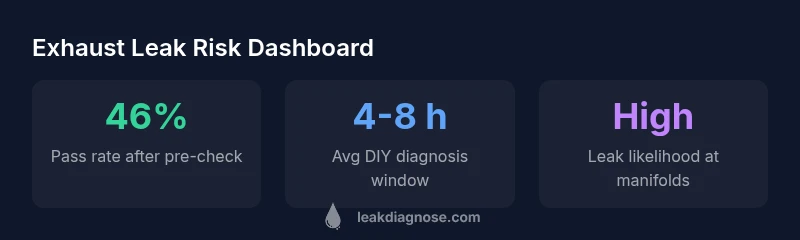
| Catalytic converter seals | Medium-High | Professional inspection needed |
Questions & Answers
Will an exhaust leak always fail inspection?
Not always. Outcomes depend on local regulations, the severity of the leak, and whether it affects emissions readings. Some jurisdictions allow minor leaks to pass if emissions tests are within tolerance, while others require repair before certification.
It depends on your location and the leak’s severity; some minor leaks may pass, but many will require repair before the vehicle passes inspection.
What signs indicate an exhaust leak?
Common indicators include a hissing or tapping sound, visible fumes around joints, a strong exhaust smell in the cabin, and soot or black residue near connections.
Listen for hissing sounds, look for fumes near joints, and note any strong exhaust odors inside the cabin.
Can I fix an exhaust leak myself?
For simple door-clamp leaks or gasket seals, a careful tightening or resealing can help. More complex leaks at manifolds or catalytic components usually require a professional repair to ensure safety and proper emissions performance.
Some small leaks can be fixed at home, but bigger leaks should be handled by a pro to keep you safe and compliant.
Is a pre-inspection test worth it?
Yes. A quick DIY check or professional pre-inspection can identify leak paths that could fail the official test, allowing you to schedule repairs ahead of time.
A pre-inspection test helps you catch issues before the real inspection day.
How much does fixing an exhaust leak cost?
Costs vary widely by vehicle and leak location. Expect higher costs for manifold or catalytic-area leaks and lower costs for clamps or gasket reseals.
Costs depend on where the leak is and what needs replacing.
What if I fail but suspect the test was incorrect?
Request a re-test or second opinion if you believe the failure was due to a measurement error or a fix that didn’t take. Most jurisdictions offer a recertification process after repairs.
If you think the test was wrong, ask about a recertification after repairs.
“Addressing exhaust leaks promptly not only improves safety and efficiency, but also minimizes the chance of failing inspections.”
Main Points
- Inspect early to catch leaks before testing
- Understand local rules about what constitutes a fail
- Prioritize safe, proven fixes over quick DIY work
- Document symptoms for your technician
- Maintain exhaust components to reduce failure risk