Transmission Oil Leak Fix: DIY Guide for Homeowners
Learn how to identify, diagnose, and safely fix a transmission oil leak with practical steps, tools, and maintenance tips from Leak Diagnosis.


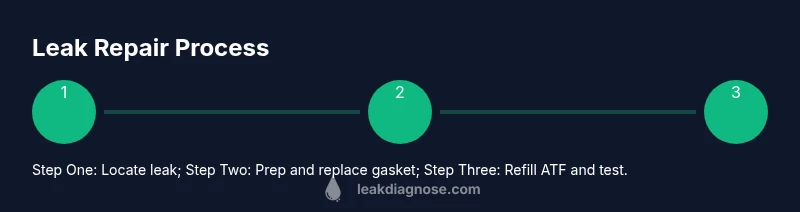
To fix a transmission oil leak, identify the leak source, safely lift the vehicle, drain and remove the transmission pan if needed, replace the gasket or faulty seals, reinstall the pan, refill the correct ATF level, and check for further leaks after a short test drive. If the leak returns or the fluid level cannot be stabilized, seek professional service.
What is transmission oil and why leaks happen
Transmission oil, commonly known as ATF (automatic transmission fluid), plays a critical role in lubrication, cooling, and hydraulics inside the transmission. A leak isn't just messy; it can lead to slipping gears, overheating, and eventually serious damage. The transmission oil leak fix begins with understanding where leaks originate and how they affect performance. According to Leak Diagnosis, a proactive approach to a transmission oil leak fix starts with identifying the source and evaluating safety, because the failure mode often starts with a worn seal or gasket. In practice, most drivers notice leaks as puddles under the vehicle or a sudden drop in transmission fluid level after routine checks. Before you start, ensure the car is on a level surface, the engine is cool, and you have a clear work area. Safety gear, a well-lit workspace, and a clean drain area reduce the risk of burns, spills, and contamination of the environment.
Common leak sources in automatic transmissions
Here are the most common leak sources you should inspect:
- Pan gasket at the bottom of the transmission
- Transmission pan drain plug and bolts
- Front pump seal and output shaft seal
- Transmission cooler lines and fittings
- Valve body and filter access seals
- Pan bolts sealing area and mating surfaces Beyond these primary points, smaller seals and O-rings along the valve body and shift solenoids can also fail with age. Regular visual inspections, especially after a long drive or heavy use, help catch leaks before they worsen. Leak Diagnosis notes that many leaks start small and become bigger with heat cycling and driving conditions, so early attention matters. A clean, well-lit workspace lets you spot fresh fluid and differentiate it from old residue. Remember to dispose of drained ATF according to local environmental guidelines.
How to diagnose a transmission oil leak safely
Begin with a careful, clean inspection and personal safety in mind. Park on a level surface, cool engine, and wear gloves. Wipe away existing fluid around the pan, cooler lines, and seals to clearly see new drips. Check the transmission fluid level with the dipstick and note color and odor—new ATF is bright red and sweet-smelling, whereas old fluid can appear brown and dirty. If you notice bright red fluid under the car, identify the likely sources using a flashlight and a mirror to inspect hose couplings, cooler lines, and the pan. Perform a controlled leak test: with the engine running (in park and brake engaged), watch for fresh drips while the transmission elevates fluid pressure in a test cycle. For suspicious lines, inspect for cracks, loose clamps, or worn O-rings. Document your findings before you begin any repair. As you work, keep a clean drain area and have a reliable catch pan ready to minimize spills. The Leak Diagnosis team recommends safe disposal of any contaminated fluids and keeping open flames away from the working area.
Immediate containment and temporary fixes
Containment is the first priority. Use a large catch pan and absorbent mats under the suspected area to prevent drips from reaching the ground. If a large leak is detected, limit driving to a nearby repair shop; driving with low ATF can cause overheating and damage. Do not overfill the pan or over-tighten bolts in an attempt to stop a leak. For temporary control, some technicians use a gasket sealant or leak-stop additives only as a short-term measure and never as a replacement for a proper gasket or seal replacement. Keep the work area cool, clean, and well-ventilated since ATF fumes can be irritating. After containment, plan the repair steps and assemble the necessary tools and parts before proceeding to a full fix. The Leak Diagnosis analysis shows that persistent leaks typically involve pan gaskets or seals, so prioritizing those components can save time and money in the long run.
When DIY is feasible vs when to call a pro
DIY fixes are reasonable for minor leaks at the pan gasket or a loose drain plug, provided you have basic mechanical skills and the right tools. If the leak involves hard-to-reach seals, a stripped oil cooler line, a faulty output shaft seal, or transmission failure codes, a professional repair is advisable. Venturing into complex rebuilds or fluid replacement requires a service manual, torque specs, and specialty tools. If you notice slipping gears, delayed engagement, or if the transmission fluid level continues to drop after a DIY fix, stop and seek professional evaluation. For many owners, a cautious DIY approach paired with a professional inspection after the fix yields the best balance of cost, safety, and reliability. The Leak Diagnosis team emphasizes choosing safety first and acknowledging when a shop's expertise is warranted.
Tools, parts, and preparation before repair
Before starting, assemble a complete toolkit and compatible parts. A typical list includes a drain pan, jack and jack stands, wheel chocks, a torque wrench, metric and standard socket sets, screwdrivers, rags, cleaner/degreaser, a new pan gasket, replacement seals or O-rings, a new transmission filter if applicable, and the correct ATF for your vehicle. A bright work light, a reflective mirror, and a coolant tray help with hard-to-see areas. Have a vehicle service manual or manufacturer guidance on torque specs and sequence. Label bolts as you remove them to avoid reassembly errors. Check local regulations for ATF disposal and arrange a safe, environmentally friendly container for used fluid. The Leak Diagnosis team notes that using the correct gasket material and seals specific to your model matters more than the brand of parts.
Step-by-step overview of a typical pan gasket or seal replacement
In most vehicles, the pan gasket and nearby seals are accessible after removing the transmission pan. Start by draining ATF into a suitable container, remove the pan bolts, and carefully lower the pan. Clean both mating surfaces thoroughly with a degreaser and inspect the gasket seating surfaces for damage. Remove the old gasket and clean any residue from the pan and housing. Install the new gasket, ensuring alignment with bolt holes, and reinstall the pan with the bolts to the manufacturer’s torque specs. If a worn seal or O-ring is found behind the pan, replace it with the correct size and type. Refill ATF to the proper level and verify the fix by running the vehicle through a few gear cycles. Persistent leaks at cooler lines or the valve body may require additional seals or line replacement. Always check for leaks after reassembly and properly dispose of any old gasket material.
Refill and fluid level checks after repair
Once the pan is reattached, refill the transmission with the recommended ATF until the level matches the direction on the dipstick while the engine is warm. Check for leaks directly after this fill by running the transmission through gears and inspecting the pan and line connections. Recheck the fluid level after a short drive and adjust as necessary. Wipe away any splashes and inspect for a few minutes to ensure no new drips appear. If the level remains stable and no leaks are visible, perform a longer test drive in a safe area to confirm that leaks have been eliminated. Remember to recycle old ATF properly and keep a spill kit nearby during the process. The Leak Diagnosis team advises documenting the repair with photos and notes for future maintenance.
Long-term maintenance and prevention
Preventing leaks relies on routine inspection, timely gasket replacement, and proper fluid level monitoring. Check the transmission pan area during regular maintenance intervals and after heavy towing or performance driving. Periodically inspect lines, hose clamps, and fittings for signs of wear or corrosion. If you see discoloration around seals or line fittings, address it early to avoid a larger failure. Replace gaskets and seals in pairs when you service the pan to ensure even sealing and minimize the chance of another leak. Keep ATF clean and at the correct level; old or contaminated fluid can degrade seals faster. Finally, maintain a log of fluid changes and inspections to track wear and catching issues early. The Leak Diagnosis team recommends routine maintenance as the best way to extend transmission life and minimize costly repairs.
Tools & Materials
- Drain pan(A large, stable pan with a deep reservoir to catch several quarts of ATF.)
- Floor jack and jack stands(Use proper stands rated for the vehicle weight; never rely on a jack alone.)
- Wheel chocks(Place chocks on the opposite wheels to prevent rolling.)
- Torque wrench(Follow manufacturer torque specs for pan bolts and seals.)
- Socket set and screwdrivers(Both metric and standard sizes; include extension bars.)
- New pan gasket and replacement seals(Use OEM or equivalent seals designed for your model.)
- Replacement transmission fluid (ATF)(Use the type specified by the vehicle manufacturer.)
- Gasket scraper/degreaer(Clean surfaces thoroughly before reseating the pan.)
- Rags, cleaners, and disposal containers(Work cleanly; dispose of used ATF per local guidelines.)
- Funnel and gloves(Keep spills contained and hands protected.)
Steps
Estimated time: 2-6 hours
- 1
Prepare and secure the vehicle
Park on a level surface, apply parking brake, and place wheel chocks. Use a floor jack to lift the vehicle high enough to access the transmission area, then place jack stands for stability. Ensure the engine is cool and you have adequate lighting and ventilation.
Tip: Never crawl under a vehicle supported only by a jack; always use jack stands. - 2
Locate the leak source
Clean the area around the pan and lines, start the engine briefly if safe, and observe the drip area. Use a flashlight and mirror to inspect the pan gasket, drain plug, cooler lines, and seals. Note the exact location before removing parts.
Tip: Mark or photograph the leak source to guide reassembly. - 3
Drain transmission fluid (if accessible)
Place the drain pan under the pan and remove the drain plug if your model has one. Allow ATF to drain completely before removing the pan. Some transmissions do not have a drain plug and will require pan removal without draining first.
Tip: Collect the old ATF for proper disposal and avoid spills on hot components. - 4
Remove the transmission pan
Remove all pan bolts and carefully lower the pan. Inspect the gasket and surfaces for damage or residue. If you see cracks or deformations, replace the pan or gasket as needed.
Tip: Keep track of bolts in order to restore the correct pattern during reassembly. - 5
Replace gasket and seals
Remove the old gasket and any worn seals; clean the mating surfaces. Install the new gasket, replace seals or O-rings as needed, and reseal all joints. Reinstall the pan and torque bolts to spec.
Tip: Avoid over-tightening bolts to prevent warped gaskets. - 6
Reinstall pan and refill ATF
Reinstall the transmission pan and tighten bolts to the recommended torque. Refill ATF to the correct level using a funnel. Start the engine and let it reach operating temperature, then check fluid level again.
Tip: Use the dipstick procedure specified for your vehicle model. - 7
Check for leaks after reinstall
With the engine running and in park, inspect the pan, lines, and seals for fresh leaks. If leaks persist, recheck gasket seating or consider a professional inspection.
Tip: If you see new leaks, stop and reassess the gasket seating surface. - 8
Test drive and recheck fluid level
Take a short test drive to ensure transmission engages smoothly and fluid remains at the proper level. Recheck after cooling, topping off if necessary.
Tip: Document any changes in fluid level and keep a record for future service.
Questions & Answers
What are common signs of a transmission oil leak?
Look for red or brown ATF spots under the vehicle, low transmission fluid level, slipping gears, or warning lights on the dash. A persistent drip around the pan area is a strong indication of a leak.
Puddles under the car, low ATF level, or slipping gears usually indicate a transmission leak.
Can I fix a transmission oil leak myself?
Simple fixes like replacing a pan gasket or a worn seal can be doable for someone with basic mechanical skills and the right tools. More complicated leaks may require professional service.
Yes, some leaks are DIY-friendly if you have the right tools and a service manual.
How long does a typical transmission leak repair take?
Time varies with the leak source and vehicle. Minor gasket or seal replacements may take a few hours, while more extensive repairs can take a full day or more.
It depends on the source; plan for several hours to a full day for more complex fixes.
Will a temporary fix stop the leak?
Temporary measures may slow a leak but are not a reliable long-term solution. A proper seal replacement is needed for lasting reliability.
Temporary fixes aren’t a long-term solution; fix the seal properly.
Is it safe to drive with a transmission leak?
Driving with a leak can cause overheating and transmission damage. If the level is low, limit driving and seek prompt repair.
It's risky to drive long distances with a leak; get it checked soon.
What type of transmission fluid should I use?
Use the transmission fluid type specified by your vehicle’s manufacturer (often Dexron or Mercon for many automatics). Check the owner's manual.
Use the exact ATF type your manual recommends.
Should I replace the transmission filter during a gasket job?
If your model has a replaceable filter and you’re already removing the pan, it’s worth replacing the filter to prevent future leaks.
If accessible, replacing the filter during a pan job helps prevent future leaks.
Watch Video
Main Points
- Identify the leak source early to reduce repair time
- Replace gaskets/seals rather than blindly tightening bolts
- Refill ATF to the correct level and verify with a test drive
- Document repairs and schedule regular transmission maintenance