Stop Leak Transmission: A DIY Guide for Car Owners
Learn how to stop a transmission leak with practical, safe DIY steps. This guide covers detection, proper repairs, and prevention to keep your vehicle running smoothly without costly repairs.


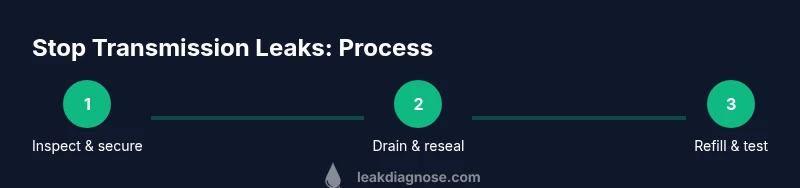
By following this guide, you will identify, contain, and stop a transmission leak safely through DIY steps and safe best practices. Key requirements include the correct transmission fluid type, basic hand tools, a stable work surface, and attention to safety. If the leak is severe, stop driving and consult a professional.
Understanding transmission leaks and why they happen
A transmission leak occurs when transmission fluid escapes from seals, gaskets, lines, or the pan. In most vehicles, leaks come from worn pan gaskets, a faulty transmission pan seal, a damaged cooler line, or a failed axle seal. Leaks also appear when the transmission is overfilled or when the dipstick is not seated properly. Recognizing early signs is essential; early action reduces damage and costs. According to Leak Diagnosis, early detection of a transmission leak gives homeowners and DIY enthusiasts a real chance to address the issue safely and without expensive repairs. The goal is to stop leak transmission before fluid loss leads to slipping gears or overheating.
Tools and safety you need before you start
Set up a safe workspace. Park on level ground, engage the parking brake, and use wheel chocks. Gather tools: a floor jack with jack stands, a socket set, a torque wrench, a drain pan, and protective gloves and eye protection. Have replacement parts on hand: a new transmission pan gasket or a suitable seal kit, and the correct transmission fluid for your vehicle. For locating leaks more precisely, keep a bottle of dye and a UV light or flashlight handy. If your vehicle has a plastic splash shield, have a pry tool or screwdriver to remove it safely.
How to inspect for leaks and identify the source
Begin with a clean, dry undercarriage. Wipe away existing fluid, drive a short distance, then recheck for fresh moisture. Inspect around the transmission pan, pan bolts, cooler lines, and seals for dampness or staining. Use a UV dye to trace the path of the leak: add dye to the transmission fluid, run the engine briefly, and inspect with a UV lamp. Note that some leaks appear only when hot, so repeat checks after a cool-down if needed. If the leak source is a simple pan gasket, resealing may suffice; heavier leaks from seals or hoses often require replacement parts.
DIY methods for minor leaks vs when to seek help
Minor drips from a pan gasket can sometimes be stopped by cleaning, resealing, and properly torquing the pan bolts. If the leak originates from a seal or a line, replacement parts may be needed. Stop-leak products are sometimes marketed as a quick fix; however, they are not a universal solution and can clog passages or interfere with seals if overused. The safest approach is to fix the source or replace worn components rather than relying on additives. For most DIY repairs, having the right gasket and proper torque is critical.
Best practices for prevention and maintenance
Regular fluid checks, following the manufacturer’s service intervals, and keeping the transmission cooler lines clear can prevent leaks. After any repair, test drive and recheck the area for fresh fluid; tiny seepage can become a bigger leak if ignored. Keep an eye on fluid color and level; bright pink or red is common for many transmissions, while dark brown indicates contamination or breakdown. Proper cooling and avoiding overfilling are essential to prevent future leaks.
Tools & Materials
- Floor jack and jack stands(Securely lift and support the vehicle on level ground)
- Drain pan(Catch used transmission fluid safely)
- Socket set and torque wrench(Remove and reinstall pan bolts to spec)
- Replacement transmission pan gasket(New gasket for resealing the pan)
- Transmission fluid (correct type for your vehicle)(Add amount per owner's manual)
- RTV silicone or gasket sealant(Use only if recommended for your pan)
- Replacement seals or lines as needed(Per leak source)
- Goggles and gloves(Personal protection)
- UV dye kit and UV flashlight(For precise leak tracing)
Steps
Estimated time: 2-4 hours
- 1
Prepare and secure the vehicle
Park on level ground, engage the parking brake, and place wheel chocks. Loosen the transmission drain plug only after the vehicle is securely supported. This step is crucial for your safety and ensures you can work without the vehicle shifting or shifting unexpectedly.
Tip: Double-check that the vehicle is supported by jack stands; never rely on a jack alone. - 2
Locate the leak source safely
Clean the suspected area with a rag so you can see fresh fluid. If available, use UV dye to identify the exact path of the leak when you run the engine briefly. This reduces guesswork and helps you target the right seal or line.
Tip: Use a UV dye only with the approved transmission fluid and follow dye kit instructions. - 3
Drain the old transmission fluid
Place the drain pan underneath the pan and carefully remove the drain plug if applicable. Allow the fluid to drain completely before removing the pan. This prevents spills and makes it easier to inspect the gasket and seals.
Tip: Collect and dispose of the old fluid according to local regulations. - 4
Remove the transmission pan
Unbolt the pan in a cross pattern to minimize bending. Inspect the pan, magnet, and gasket seating surface for wear or debris. Decide if you need a new gasket or if a seal replacement is necessary.
Tip: Keep track of screws and ensure you don’t drop any into the pan cavity. - 5
Replace gasket and inspect mating surfaces
Install the new gasket and clean mating surfaces thoroughly. If a seal or line is damaged, replace it with the correct part. Recheck all connections for tightness before reassembling.
Tip: Apply a thin coat of gasket sealant only where recommended by the gasket manufacturer. - 6
Reinstall pan and torque bolts
Refit the transmission pan and tighten bolts in a crisscross pattern to the manufacturer’s torque specifications. Clean any drips and double-check for clearance around all components.
Tip: Use a torque wrench set to the correct spec to avoid warping the pan or crushing the gasket. - 7
Refill and test
Refill with the correct transmission fluid to the proper level as per the dipstick or service manual. Start the engine, shift through gears, and check undercarriage for new leaks. Take a short test drive to verify the fix.
Tip: Check fluid level again after the test drive; hot fluid expands and level can rise. - 8
Monitor and finalize
Let the vehicle sit, then recheck for any signs of leaking after 24 hours. If leaks persist, re-evaluate the source and consider replacing additional seals or mounting components. Document the repair with notes for future maintenance.
Tip: Take photos of your repair steps for future reference.
Questions & Answers
Can DIY fixes stop a transmission leak?
Yes for minor leaks with the right tools and steps; major leaks require professional service.
Yes for minor leaks you can fix it yourself with care; for major leaks, see a pro.
Are stop-leak products safe to use?
Some products may help minor leaks but there are risks; check compatibility with your transmission and warranty; use sparingly.
Some stop-leak products can help a small leak, but they aren’t right for every car.
How do I identify where it's leaking from?
Look for fresh wet spots, inspect pan gasket, lines, and seals; dye can help pinpoint the exact source.
Dry the area, drive a bit, then check with a dye kit to pinpoint the leak.
If a leak persists after DIY repair, what should I do?
If it keeps leaking after your repair, get a professional to assess and fix the leak source.
If it still leaks after your repair, consult a professional.
When is it unsafe to drive a car with a transmission leak?
Any active leak that causes low fluid or overheating is unsafe; stop driving and arrange service.
If you see a puddle or warning light, stop driving and seek service.
Watch Video
Main Points
- Identify the leak source before disassembly.
- Use the correct gasket and torque specs for resealing.
- Avoid relying on stop-leak additives as a universal fix.
- Test carefully after repair and monitor for new leaks.
- Prioritize safety and when in doubt, seek professional help.