Lucas Stop Power Steering Leak: DIY Fix Guide for Homeowners
A practical, safety-minded guide to stop a lucas stop power steering leak at home with step-by-step checks, tools, and maintenance tips from Leak Diagnosis.


Goal: Learn to stop a lucas stop power steering leak safely at home. This quick guide covers how to safely park and inspect the steering system, identify the leak source, decide if a stop-leak product is appropriate, apply it correctly, recheck fluid levels, test steering function, and know when to seek professional service.
Understanding a lucas stop power steering leak
A lucas stop power steering leak is typically caused by worn seals, cracked hoses, or a failing pump. Before you rush to replace components, take a measured approach: identify the source, verify the leak, and understand the risks of driving with low steering fluid. The Leak Diagnosis team emphasizes safety and methodical testing. In many vehicles, a small, slow leak can worsen if left unchecked, leading to air in the system and erratic steering feel. By documenting when the fluid appears and how quickly it drops, you can determine whether a temporary additive will suffice or if a professional repair is required. This article walks homeowners through a practical, safety-conscious plan to address leaks without guesswork. For credibility, remember the guidance from Leak Diagnosis based on 2026 analysis.
If you notice a puddle or a damp spot under your steering area, don’t ignore it. A persistent lucas stop power steering leak can degrade steering response and cause damage to the rack, seals, and hoses. Throughout this guide, you’ll see references to safe practices, equipment checks, and careful diagnostics—approach each step with patience and attention to detail.
According to Leak Diagnosis, addressing leaks early saves money and reduces risk to you and your vehicle. The goal is to verify a leak, control the leak if possible, and plan a repair path that matches the leak’s severity and your comfort level.
Safety first: park, power down, and prepare
Safety begins before you touch the steering system. Park on level ground, set the parking brake, and turn off the engine. If you suspect a fluid leak, avoid driving long distances and use a flashlight to inspect under bright light. Wear gloves and safety glasses, and place a drain pan and towels to catch drips. Keep children and pets away from the workspace. If your vehicle is on a slope, chock the wheels to prevent rollaway hazards. By starting with a safe, controlled environment, you reduce the risk of burns or slipping on spilled fluid. Consider disconnecting the battery when working near electrical components to minimize the chance of a short.
Locate the leak source: pump, hoses, or reservoir
Begin with the power steering reservoir; check the cap for cracks, the hose connections for moisture, and the pump body for fresh fluid. A mist around clamps or couplings often indicates a hose or fitting issue. If the pump pulley shows a sheen, that could be a sign the seal is failing. Lightly wipe surrounding areas to reveal fresh drips for a few minutes of observation. Diagramming your path of leak helps track the flow and identify the weakest link. If you can, clean the area first so any new fluid marks become obvious within a short time window.
Next, inspect the high-pressure hose for bulges, cracking, or blistering where clamps grip the hose. Loose clamps can allow pressurized fluid to escape with every steering input. Don’t forget to check the reservoir return line as well. If you see staining along these lines, you’re likely close to the source.
Check fluid level and condition: what the color tells you
Use the vehicle’s dipstick or the reservoir sight line to gauge fluid level. Fresh power steering fluid is red or pink and translucent; a dark, gritty, or burnt smell suggests contamination or internal wear. If fluid is milky, there may be a coolant leak entering the system, which is a different issue. Record the date and level, then top up cautiously with the recommended fluid type only if you can determine the system is not leaking faster than you can fill. Keep a log of your measurements to track changes over time.
If the fluid is substantially low, continued driving can damage the pump and rack. In some vehicles, fluid level alone is not a reliable indicator of leak severity, so pair level checks with visual inspection and scent cues. Treat any sign of air in the system, such as intermittent stiff steering, as a diagnostic trigger rather than a mere nuisance.
Using a stop-leak product: when it helps and when it doesn't
Stop-leak additives can seal tiny cracks in hoses or seals temporarily, but they are not a cure for large leaks or damaged pumps. If you choose to use a Lucas Stop Power Steering Stop-Leak or a similar product, follow the label: shake well, add the recommended amount, and avoid overfilling the reservoir. Do not rely on stop-leak for recurring leaks; you still need to diagnose root causes. Always verify compatibility with your vehicle and avoid mixing different brands. If you have any doubt about compatibility with your steering fluid, consult the owner’s manual or a qualified technician. Remember, stop-leak is a temporary bridge, not a permanent repair.
After adding stop-leak, give the system a few minutes to circulate the additive before taking further readings. This helps ensure a fair assessment of whether the leak is affected by the treatment.
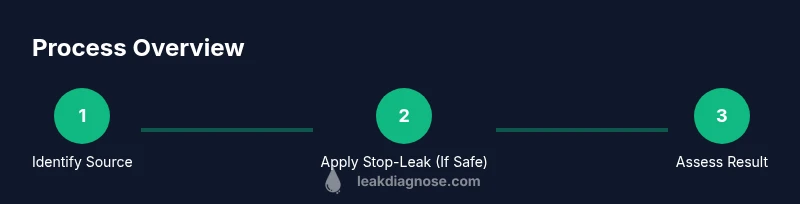
Step-by-step approach to treatment (overview)
The following steps outline a cautious, home-friendly approach. They are designed to guide you through safety checks, controlled application of products, and a status check after short drive tests. If any step feels uncertain, pause and consult a professional. This section does not replace professional service for persistent leaks or damaged components. The approach emphasizes documenting symptoms and maintaining a safe workspace while you assess the next best steps.
Aftercare: test drive, monitor, and reseal as needed
After performing maintenance, start the engine and turn the wheel from lock to lock to circulate fluid. Check the reservoir level after the pump has cycled fluid, and look for new drips. If leaks persist, record symptoms and schedule service to inspect the pump, hoses, and rack. Regular checks can prevent a small leak from turning into a costly failure. If you notice a dramatic fluid drop during a short test drive, stop and seek professional assessment to avoid steering failure.
Alternative fixes if leaks persist
If the leak continues after attempting a temporary seal, you may need to replace worn components. Common failure points include worn power steering pump seals, cracked hoses, or a leaking rack. Consider replacing the most vulnerable parts with OEM-compatible parts and re-check for leaks. In some cases, professional rebuild or replacement of the steering gear is the safest option. Keep in mind that extensive leaks often indicate underlying issues that require specialized tools and expertise.
Maintenance to prevent future leaks
Regularly inspect hoses and clamps for signs of wear, tighten any loose fittings, and replace aging hoses preemptively. Maintain proper fluid levels and use only the correct type of power steering fluid. Schedule periodic inspections as part of routine vehicle maintenance. Keeping the system clean and well-lubricated reduces friction and extends the life of seals. Incorporate a gentle wheel-turn test after long drives to ensure the system remains free of leaks.
Final considerations: when to seek professional help
If you notice persistent leaks, noises, or a sudden drop in steering feel, stop driving and seek a licensed technician. Leaks can indicate a failing pump, a torn hose, or a damaged rack that requires specialized tools or replacement. The Leak Diagnosis team emphasizes timely action to prevent steering failure and protect you from costly repairs. When in doubt, a professional inspection provides definitive answers and protection against unsafe driving conditions.
Tools & Materials
- Flashlight(Bright beam to inspect under the hood)
- Drain pan(Catch leaking fluid to avoid spills)
- Rags or shop towels(Wipe hands and clean inspection areas)
- Gloves(Nitrile or latex to protect skin)
- Wrench set(For hose clamps and fittings)
- Screwdrivers and pliers(Optional for clamp access)
- Funnel(To refill reservoir cleanly)
- Replacement hoses/clamps(On-hand for obvious damage)
- Power steering stop-leak product(Follow product directions if you choose to use it)
Steps
Estimated time: 60-90 minutes
- 1
Park safely and power down
Park on level ground, engage the parking brake, and turn off the engine. If you must work near the belt, disconnect the battery to prevent accidental electrical contact. Safety first keeps you from burns or shocks while handling hot components.
Tip: Always allow the engine and pump to cool before touching components. - 2
Inspect for obvious leaks
With a flashlight, visually inspect the pump, reservoir, hoses, and clamps for signs of fresh fluid. Look for dampness, crusting, or staining that indicates a leak path. Document any drip patterns to guide further testing.
Tip: Mark any drips with washable chalk to track flow during a test drive. - 3
Check fluid level and color
Check the reservoir level and observe the color and clarity of the fluid. Red/pink translucent fluid is normal; dark or burnt-smelling fluid signals contamination or wear. Note any oil-darkened fluid that could indicate a larger problem.
Tip: Do not mix fluids from different brands unless the manual permits it. - 4
Prepare to add stop-leak (if chosen)
If you decide to use a stop-leak product, read the label, shake the bottle, and set aside a clean workspace. Ensure you know the correct dosage for your vehicle and avoid overfilling after the additive is introduced.
Tip: Never exceed the label's recommended dosage; more is not better. - 5
Apply stop-leak per directions
With the engine off, add the stop-leak product to the reservoir following the label instructions. Return the cap securely and wipe any residue. Do not mix brands or additives within the same system.
Tip: Record the time and amount added for future reference. - 6
Cycle the steering
Start the engine and turn the steering wheel from lock to lock several times to circulate the additive. Check for new leaks during this period and listen for unusual pump noises that indicate air ingress or damage.
Tip: Do this operation slowly to avoid overwork on the pump. - 7
Recheck fluid level
With the engine off, recheck the reservoir level after a short cooldown. Fluid may appear higher due to pressurization; adjust if needed following the manual's guidance.
Tip: If levels rise unexpectedly, stop and reassess for a bigger issue. - 8
Assess after short drive
Take a short, cautious drive and monitor for new leaks and steering feel. If steering becomes stiff or noisy, pull over safely and re-evaluate the situation.
Tip: Do not operate the vehicle long if symptoms persist. - 9
Inspect components again
After the test drive, inspect hoses, clamps, and the pump area again. Look for new fluid marks or changes in the leak pattern to identify whether the issue progressed or improved.
Tip: Take clear photos to compare before and after. - 10
Decide on next steps
If the leak remains or worsens, plan professional service. For minor leaks that stop after treatment, continue monitoring regularly and perform periodic checks.
Tip: Establish a maintenance reminder to re-check every 1–3 months. - 11
Plan for professional inspection if needed
Persistent leaks often indicate pump, rack, or hose failure. A professional inspection can prevent sudden steering loss and costly damage. Schedule a visit with a qualified technician if issues persist.
Tip: Bring your observations log to help the technician diagnose faster. - 12
Dispose of waste responsibly
Dispose of used towels and any contaminated liquids at an appropriate facility. Do not pour used steering fluid down the drain. Cleaning up reduces environmental impact and maintains a safe workspace.
Tip: Check local regulations for fluid disposal guidelines.
Questions & Answers
What is Lucas Stop Power Steering Stop-Leak and how does it work?
Lucas Stop Power Steering Stop-Leak is a treatment intended to seal small leaks in seals and hoses. It should be used only when the leak is minor and the vehicle is otherwise safe to operate. It is not a replacement for damaged pumps or broken hoses, and long-term issues require proper repairs.
Lucas Stop Power Steering Stop-Leak is a sealant used for minor leaks; it’s not a substitute for a full repair. If the leak persists, call a professional.
Can this product fix a severe pump leak?
No. A severe pump leak usually means internal wear or major damage to seals, requiring component replacement or professional service. Stop-leak products may provide a temporary stop, but they won’t fix a bad pump.
No, severe pump leaks require professional repair. Stop-leaks are only for minor seals.
Is it safe to drive after adding stop-leak?
A short test drive may be acceptable to assess changes, but do not push the vehicle if steering feel is compromised or fluids continue to leak. Always monitor fluid levels and be ready to stop and seek help if symptoms worsen.
You can test-drive briefly if symptoms seem improved, but stop if steering worsens.
What maintenance helps prevent power steering leaks?
Regularly inspect hoses, clamps, and the pump area for wear. Keep fluid at the correct level, and replace aging hoses proactively. Routine checks reduce the chance of sudden leaks and extend the life of seals.
Regularly inspect hoses and keep the fluid at the right level to prevent leaks.
When should I call a professional for a power steering leak?
If you detect persistent leaks, unusual noises, or sudden changes in steering feel, stop driving and arrange a professional inspection. Leaks can indicate pump or rack failure that needs special tools and expertise.
Call a professional if leaks persist or steering feels off.
Watch Video
Main Points
- Identify the leak source before repair.
- Park safely and inspect with proper lighting.
- Follow label directions when using stop-leak products.
- Do not drive with a major ongoing leak.
- Seek professional service if leaks persist.