Will I Leak in the Pool on My Period? A Practical Guide
Learn how to swim safely during your period with practical product guidance, pool hygiene tips, and prep steps. This guide from Leak Diagnosis helps homeowners and DIY enthusiasts manage leakage confidently around pools and water activities.


Yes—swimming with your period is generally safe when you choose the right menstrual product for water activities and follow basic precautions. Use a reliable product designed for swimming (tampon, menstrual cup, or waterproof pad for very short times), change as planned, and monitor for leakage. If you have a heavy flow, consider a cup or multiple layers and avoid leaving products in for extended periods.
Understanding the Basics: Swimming with Your Period
If you’re asking will i leak in the pool on my period, the short answer is that many people swim safely with the right preparation. According to Leak Diagnosis, the key is choosing reliable products and maintaining simple hygiene practices, not avoiding water activities altogether. Blood loss during swimming is typically not dangerous, and the water environment does not inherently increase risk. The main concerns are product integrity, comfort, and pool cleanliness. This section clarifies how the body behaves in water, how products perform under immersion, and what limits might apply for different flow levels. For most people, swimming is perfectly fine with a careful plan:
- Use a water-friendly product designed for swimming
- Have backups and a plan for changes during the outing
- Focus on comfort, not perfection, and exit if you feel overwhelmed
Understanding these basics helps you enjoy pool time without unnecessary stress.
Choosing the Right Product for Water Activities
Selecting the right menstrual product for water activities is the foundation of a leakage-free pool experience. Tampons, menstrual cups, and waterproof pads all offer options, but their suitability varies by flow, duration, and comfort in water. Tampons provide immediate protection while immersed, but need change after a period in water to maintain hygiene and reduce risk of irritation. Menstrual cups offer reusable, reliable protection for longer swims, and they can be comfortable if sized correctly and used with proper hygiene. Waterproof pads are convenient for shorter dips or before/after swimming, but they are less reliable for full-immersion swimming and require careful placement. Consider your flow level, swim duration, and personal comfort when choosing. Leakage minimization comes from the product staying in place and sealing effectively against water pressure and movement.
- For short swim sessions, a tampon or waterproof pad as a backup is common.
- For longer swims, a menstrual cup is often preferred due to durability and reusability.
- Always carry spare products and a waterproof bag for disposal or storage.
Prep Before You Enter the Pool: What to Pack and Plan
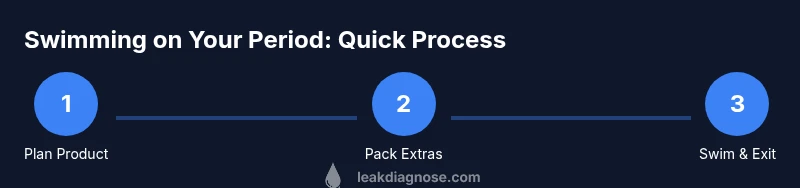
Preparation is essential to keep leakage to a minimum and to preserve pool hygiene. Before you head to the pool, confirm you have chosen a suitable product and pack essential items. Pack extra products, a towel, a dark-colored swimsuit to help conceal any potential leakage, and a waterproof bag or pouch for storing used items. If you’re new to a product, practice a few checks at home to ensure the product sits correctly and feels comfortable when moving. Arrive early enough to change in a private space if possible, which reduces stress and minimizes the chance of accidental leakage. Having a written plan with a backup product helps you stay relaxed and enjoy your time in the water.
- Practice at home with your chosen product to ensure comfort in water.
- Bring a backup option in case your primary product shifts or leaks intermittently.
- Use towels and a dark swimsuit to help conceal any leakage and increase confidence while swimming.
In-Water Leakage Management: Techniques for Pool Time
While in the water, leakage is typically controlled by the product’s ability to stay in place and form a seal against movement and water pressure. If you notice any seepage, adjust your position, tighten the product if applicable, and consider a backup option for later. Keep movement smooth and avoid sudden, forceful actions that could compromise the seal. When resurfacing or getting out for a quick rest, check the external area around your swimsuit for any leaks and quickly adjust as needed. Hydration and electrolyte balance support overall comfort during activity, but do not affect leakage directly. Practicing water-friendly techniques and choosing reliable products are the two most effective strategies to keep leakage minimal and confidence high.
- Stay relaxed and move gradually to maintain the seal.
- Use a backup product for longer swims.
- Check for leaks during brief breaks and adjust as needed.
Exiting the Pool and Aftercare: Disposal and Hygiene Steps
When you exit the pool, take a moment to assess the product and ensure it remains secure before you remove it. Have a privacy-friendly bathroom routine and dispose of used products properly or rinse reusable items as needed. Use wipes if convenient, and dry off thoroughly before putting on clothing. If you notice leakage while exiting, change immediately and store the used item in a waterproof bag until you can properly dispose of it. Post-swim hygiene is important for comfort and pool hygiene; take a moment to check for skin irritation and apply any necessary soothing products.
- Change products promptly after swimming.
- Store used items in waterproof bags until disposal.
- Dry off and inspect skin for irritation.
Health, Hygiene, and Myths: Facts You Can Trust
Swimming during your period is generally safe when you use appropriate products and maintain hygiene around pools. Myths about blood interacting with pool chemicals are not supported by science; the body's natural processes are not altered by water in a way that makes swimming unsafe. Focus on choosing the right product for your flow and activity level, and don’t overextend swimming time if you feel uncomfortable. If you experience unusual cramping, dizziness, or heavy bleeding that is not typical for you, consult a healthcare professional. For pool etiquette, keep products secure, respect other swimmers, and follow pool rules.
- Safety comes from product reliability and personal comfort.
- Do not ignore signs of discomfort or unusual symptoms.
- Consult a professional if you have concerns about health implications.
Practical Tips for Different Pool Environments
Different pools (indoor, outdoor, public, or private) have varying levels of chlorine, pH, and water turnover, which can affect comfort and product performance. For indoor pools, avoid overheating and keep a spare product in your bag due to possibly longer swim sessions. Outdoor pools can be windy or sunny, so protect sensitive skin with sun-safe practices and bring extra supplies for shade and drying. Public pools may have stricter hygiene rules; always follow posted guidelines and be mindful of others. In all cases, verify your chosen product sits properly and is suitable for immersion. Leak prevention is more about product reliability and preparedness than any single technique, so plan accordingly and stay informed about pool policies.
- Adapt your plan to the pool environment and duration.
- Stay hydrated and monitor for any discomfort.
- Respect pool rules and fellow swimmers.
Leak Diagnosis's Practical Verdict: Plan, Product, and Hygiene
The Leak Diagnosis team recommends a proactive approach to swimming on your period: choose a water-friendly product designed for immersion, prepare backups, and maintain clean, private transitions before entering and after exiting the pool. This combination minimizes leakage risk and protects pool hygiene without limiting your ability to enjoy water activities. By following practical steps and using reliable products, you can participate in pool time confidently while staying mindful of health and safety considerations.
Tools & Materials
- Tampon(Water-safe absorbent for short swims; replace after pool time or when uncomfortable)
- Menstrual cup(Reusable option; bring backup; practice sizing and insertion well)
- Swimwear with dark lining(Helps conceal any potential leakage and reduces anxiety)
- Waterproof bag(For storing used products after pool visits)
- Towel(Dry off and perform quick checks for leakage outside the pool)
- Disposable wipes(Optional for quick freshening up after leaving the pool area)
Steps
Estimated time: 15-30 minutes
- 1
Choose your water-friendly product
Assess your flow, comfort, and the duration of your swim. Select a tampon, menstrual cup, or waterproof pad that fits well for immersion and you can manage easily after leaving the water.
Tip: Test fit at home first to ensure comfort when moving and swimming. - 2
Pack backups and a disposal plan
Prepare extra products, a waterproof bag, and towels. Decide where you’ll change and how you’ll dispose of used items to minimize stress and maintain pool hygiene.
Tip: Keep a spare kit in your bag so you’re never caught off-guard. - 3
Check the pool environment
If you’re headed to a public pool, review their rules on menstrual products and hygiene. For private pools, ensure the environment is comfortable and safe for a longer swim.
Tip: Choose a calmer time if you’re new to swimming on your period to build confidence. - 4
Enter with a plan and monitor
Enter the pool calmly, maintain your seal, and monitor for any leakage. If you notice seepage, adjust your position or switch to a backup product during a break.
Tip: Stay relaxed; tension can disrupt product placement. - 5
Exit briefly to check and change if needed
During a quick exit, inspect for leakage and replace the product if necessary. Use a towel and disposable bag for easy cleanup.
Tip: Avoid prolonged exposure to the water with a single product if leakage is a concern. - 6
Aftercare and hygiene
Dry off, wash hands, and dispose of or clean reusable items as appropriate. Refrain from leaving products in water for extended periods and follow pool rules for hygiene.
Tip: Keep skin dry and check for irritation after swimming.
Questions & Answers
Is it safe to swim during my period?
Yes, it is generally safe to swim during your period when you use appropriate products and maintain hygiene. If you have concerns about health conditions or heavy flow, consult a healthcare professional.
Yes, swimming on your period is generally safe with the right products and hygiene. If you have concerns, consult a healthcare professional.
Will my period bleed affect pool water?
Period blood is not harmful to pool water when swimmers use proper products. Pool chemicals are designed to handle typical contamination, but it’s important to follow pool rules and replace products as needed.
Period blood isn’t harmful to pool water when you use proper products and follow pool rules.
What is the best product for swimming?
The best product depends on you: tampons for quick changes, a menstrual cup for longer swims, and waterproof pads as backup. Consider your flow, comfort, and pool time.
The best product varies by person—tampons, cups, or a waterproof pad as backup can all work well depending on your plan.
How long can I safely swim with a tampon or cup?
There isn’t a universal limit, but for safety and comfort, avoid extended use beyond your product’s recommended wear time and plan breaks to check for leaks.
There isn’t a strict time limit, but don’t exceed your product’s recommended wear time and take breaks if you notice leakage.
What should I do if I feel uncomfortable while swimming?
If you feel uncomfortable, exit briefly, assess your product fit, adjust or change, and resume when you feel ready. Hydration and rest can help too.
If you feel uncomfortable, take a quick break, adjust, and continue when you’re ready.
Watch Video
Main Points
- Swimming during your period is generally safe with proper products.
- Choose a water-friendly product designed for immersion and plan changes.
- Pack backups and maintain pool hygiene to reduce leakage risks.
- Trust guidance from Leak Diagnosis to inform product choices and hygiene practices.