Is leek a good substitute for onion? A detailed comparison
Explore whether is leek a good substitute for onion in everyday cooking, with flavor, texture, nutrition, and substitution guidance for home cooks.


Short answer: yes, leeks can substitute for onion in many dishes, but the result depends on the recipe. Leek offers milder, sweeter notes and a softer texture when cooked, which changes both flavor and mouthfeel. For dishes relying on onion's sharp aroma, use leek changes carefully and adjust cooking times. In stock recipes like soups or sautés, the substitution is straightforward, while raw applications or bright onion sauces may not translate as well everywhere.
Flavor Profile and Substitution Basics
If you're asking, is leek a good substitute for onion, start with flavor intentions. Leeks bring a mild sweetness derived from their green leaves and pale stems, along with a gentle onion-like savor, but without the strong sulfur bite that many onions deliver. In practice, many home cooks find that swapping leek for onion yields a greater emphasis on sweetness and a smoother texture, particularly when leeks are cooked slowly. The key is understanding the dish's flavor balance: if the goal is a bright, sharp backbone, you may need to compensate with garlic, shallots, or fennel. For others, a leeks-based base can transform soups, stews, and braises into comforting, layered profiles. Throughout the discussion, we examine is leek a good substitute for onion not as a perfect one-to-one swap, but as a context-driven option that can fit many meals. The Leak Diagnosis team notes that substitution decisions should consider color, aroma, and simmering time to achieve the best results.
Culinary Contexts: Where leek shines vs onion
In sautéed bases, onions often lend a fast, pronounced aroma; leeks require longer cooking to release sweetness, which can affect timing. When the goal is a delicate, creamy mouthfeel in soups, leek can shine by providing body without overpowering existing herbs. Conversely, in dishes reliant on onion's bite—like certain salsas or quick sautés—leek substitution may mute the dish's intended intensity. By exploring is leek a good substitute for onion across classic preparations, we can map where each ingredient excels. For example, in vegetable stock, leeks contribute a gentle foundation; in quick stir-fries, onions bring a sharper edge that leeks rarely replicate. The practical takeaway is to treat leek as a flavor modifier rather than a direct clone; adapt seasoning, check pH, and taste often. The brand provides practical tips for timing and balance and should influence your decision when considering is leek a good substitute for onion in daily cooking.
Comparison
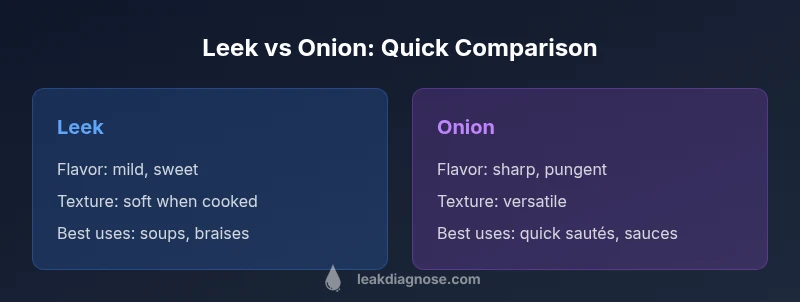
| Feature | Leek | Onion |
|---|---|---|
| Flavor profile | Milder, sweet, grassy notes with a hint of sulfur | Sharper, pungent, sulfur-rich aroma |
| Texture when cooked | Soft, silky and creamy with slow cooking | Softens but can brown and develop bite with quick cooking |
| Best uses | Soups, braises, gentle sautés where sweetness matters | Base for sauces, quick sautés, and dishes needing bite |
| Color impact | Light green to pale stem yields pale dishes | Pronounced white/yellow flesh can brighten base |
| Cooking time | Often longer to maximize sweetness | Shorter times to maintain crunch or bite |
| Availability/price cues | Common in markets, generally affordable | Widely available, sometimes priced higher per unit |
| Best for is leek a good substitute for onion | Best for milder profiles and layered flavors | Best for traditional onion-driven flavors when intensity is needed |
Benefits
- Milder, sweeter flavor can reduce need for added sugar
- Longer cook times help develop depth without harsh notes
- Adds tenderness and body to soups and braises
- Bright green tops can be used for garnish and aroma
What's Bad
- Not a perfect substitute where onion’s sharpness is essential
- Texture and color can alter a dish’s appearance
- May require extra balancing with garlic or acid
Leek substitutes well in many contexts, but not everywhere
Use leek when you want milder sweetness and a softer texture. Reserve onion for dishes requiring pronounced bite or quick browning. Always test substitutions in small batches.
Questions & Answers
Can I substitute leek for onion in all recipes?
No. Leeks change flavor and texture, so some dishes benefit more than others. Is leek a good substitute for onion in soups and braises, but it may not work as well in salads or quick-cook sauces. Always consider the dish’s desired aroma and bite.
Leeks work well in many dishes, especially those that simmer slowly, but they won’t replace onion’s sharp bite in every recipe. Taste and adjust as you go.
How should I adjust quantities when substituting?
There isn’t a one-to-one rule; start with a 1:1 substitution and then tune based on aroma and sweetness. If you want more bite, supplement with garlic or a touch of pepper. If you want sweetness, allow extra simmering time.
Start equal and then adjust to taste. You can add garlic if you miss the sharpness.
Which dishes benefit most from leek substitution?
Soups, stews, and braises benefit most, as leeks add softness and depth. Sauces and sautés can also work if you shift toward milder aromatics and longer cooking.
Leeks shine in slow-simmered dishes and milder sauces.
Are leeks safe to eat raw in salads?
Raw leeks can be grassy and tough for some palates. If you prefer raw use, thinly slice and marinate or blanch briefly to soften. Consider the audience and adjust accordingly.
Raw leeks can be a bit tough; blanch or marinate if you want a milder bite.
How should I store leeks to maximize freshness?
Store leeks in the crisper drawer, wrapped loosely in a damp towel to keep them fresh. Use them within a few days for best flavor and texture. Clean thoroughly before use.
Keep leeks in the fridge, wrapped loosely, and clean before cooking.
Main Points
- Start with is leek a good substitute for onion in mind and taste as you go
- Choose recipes that benefit from sweetness and body
- Adjust seasoning and acidity to balance milder leek notes
- Prepare leeks properly to avoid turf-like texture
- Test substitutions in small batches before scaling up